
Nursing practice questions with comprehensive rationales
NurseDive Free Nursing Practice Question
A nurse is caring for a client who develops a sudden onset of dyspnea. Which of the following findings should the nurse expect if the client has a pulmonary embolus?
A. Expiratory rhonchi.
Expiratory rhonchi are typically associated with conditions such as chronic bronchitis or asthma but are not specific to pulmonary embolism.
B. Petechiae over the lower extremities.
Petechiae over the lower extremities is not a characteristic finding in pulmonary embolism. Petechiae are tiny red or purple spots that appear due to bleeding under the skin and may be associated with other conditions like thrombocytopenia.
C. Hemoptysis.
The correct choice. Hemoptysis, which refers to coughing up blood, is a concerning finding in pulmonary embolism. It occurs due to the obstruction of blood flow in the pulmonary vasculature, leading to blood leaking into the lungs.
D. Flattened neck veins.
Flattened neck veins are more likely to be observed in conditions associated with decreased venous return to the heart, such as hypovolemia or cardiac tamponade, and are not directly related to pulmonary embolism.
This question is an excerpt from Nurse Dive's nursing test bank - ATI RN VATI Adult Medical Surgical S 2019 Proctored Exam. Take the full exam now
Full Explanation
Choice A rationale:
Expiratory rhonchi are typically associated with conditions such as chronic bronchitis or asthma but are not specific to pulmonary embolism.
Choice B rationale:
Petechiae over the lower extremities is not a characteristic finding in pulmonary embolism. Petechiae are tiny red or purple spots that appear due to bleeding under the skin and may be associated with other conditions like thrombocytopenia.
Choice C rationale:
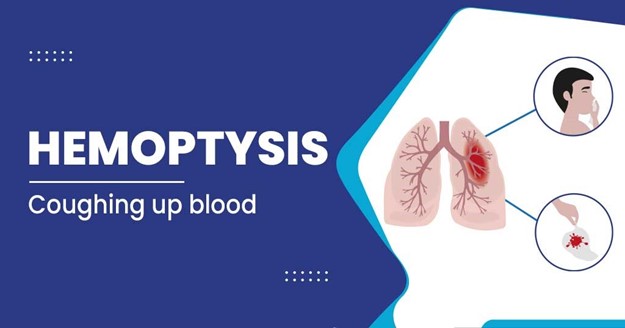
The correct choice. Hemoptysis, which refers to coughing up blood, is a concerning finding in pulmonary embolism. It occurs due to the obstruction of blood flow in the pulmonary vasculature, leading to blood leaking into the lungs.
Choice D rationale:
Flattened neck veins are more likely to be observed in conditions associated with decreased venous return to the heart, such as hypovolemia or cardiac tamponade, and are not directly related to pulmonary embolism.
Similar Questions
A nurse is assessing a client who has a central venous catheter (CVC) with intravenous (IV) fluids infusing. The client suddenly develops shortness of breath, and the nurse notes that the IV tubing and needleless connector device are disconnected. Which of the following actions should the nurse take first?
A. Close the pinch clamp on the CVC.
The nurse's first priority in this situation should be to close the pinch clamp on the central venous catheter (CVC). This will prevent air from entering the client's vascular system and causing an air embolism, which can lead to serious complications. Once the clamp is closed, the nurse can then proceed with further assessments and interventions.
B. Obtain a prescription for stat ABGS (Arterial Blood Gas Studies).
Obtaining a prescription for stat ABGS (Arterial Blood Gas Studies) is not the first action the nurse should take in this situation. While ABGS may be relevant later to assess the client's respiratory status, the immediate concern is to prevent air embolism by closing the disconnected IV tubing.
C. Place the client in the left Trendelenburg position.
Placing the client in the left Trendelenburg position is not the first priority in this situation. The Trendelenburg position is used to increase venous return and is typically indicated in cases of hypotension or shock. Closing the clamp to prevent an air embolism should be the nurse's initial action.
D. Check the tubing for placement of a locking adaptor.
Checking the tubing for the placement of a locking adaptor is not the first action the nurse should take. While it is essential to ensure that the IV tubing is properly connected and secured, preventing the air from entering the CVC should take precedence in this urgent situation.
Full Explanation
Choice A rationale:
The nurse's first priority in this situation should be to close the pinch clamp on the central venous catheter (CVC). This will prevent air from entering the client's vascular system and causing an air embolism, which can lead to serious complications. Once the clamp is closed, the nurse can then proceed with further assessments and interventions.
Choice B rationale:
Obtaining a prescription for stat ABGS (Arterial Blood Gas Studies) is not the first action the nurse should take in this situation. While ABGS may be relevant later to assess the client's respiratory status, the immediate concern is to prevent air embolism by closing the disconnected IV tubing.
Choice C rationale:
Placing the client in the left Trendelenburg position is not the first priority in this situation. The Trendelenburg position is used to increase venous return and is typically indicated in cases of hypotension or shock. Closing the clamp to prevent an air embolism should be the nurse's initial action.
Choice D rationale:
Checking the tubing for the placement of a locking adaptor is not the first action the nurse should take. While it is essential to ensure that the IV tubing is properly connected and secured, preventing the air from entering the CVC should take precedence in this urgent situation.
A nurse in an emergency department is assessing a client who is overusing prescribed diuretics and has a sodium level of 127 mEq/L. Which of the following laboratory findings should the nurse expect?
A. High lipase.
High lipase is not a typical laboratory finding related to overusing prescribed diuretics and a sodium level of 127 mEq/L. Lipase is an enzyme involved in lipid digestion and is more relevant in assessing pancreatic function.
B. High creatine kinase-MB (CK-MB).
High creatine kinase-MB (CK-MB) is not associated with overusing prescribed diuretics or hyponatremia (low sodium level). CK-MB is a specific marker for myocardial damage and is usually elevated in conditions like myocardial infarction.
C. Low hemoglobin.
Low hemoglobin is not directly related to overusing prescribed diuretics and a sodium level of 127 mEq/L. Low hemoglobin may indicate anemia or other hematological issues but this is not a typical finding in this scenario.
D. Low urine specific gravity.
The correct answer is low urine specific gravity. Overusing diuretics can lead to excessive urination, causing the urine to become more dilute with lower specific gravity. A low urine specific gravity indicates decreased urine concentration and can be a sign of fluid and electrolyte imbalances, including hyponatremia.
Full Explanation
Choice A rationale:
High lipase is not a typical laboratory finding related to overusing prescribed diuretics and a sodium level of 127 mEq/L. Lipase is an enzyme involved in lipid digestion and is more relevant in assessing pancreatic function.
Choice B rationale:
High creatine kinase-MB (CK-MB) is not associated with overusing prescribed diuretics or hyponatremia (low sodium level). CK-MB is a specific marker for myocardial damage and is usually elevated in conditions like myocardial infarction.
Choice C rationale:
Low hemoglobin is not directly related to overusing prescribed diuretics and a sodium level of 127 mEq/L. Low hemoglobin may indicate anemia or other hematological issues but this is not a typical finding in this scenario.
Choice D rationale:
The correct answer is low urine specific gravity. Overusing diuretics can lead to excessive urination, causing the urine to become more dilute with lower specific gravity. A low urine specific gravity indicates decreased urine concentration and can be a sign of fluid and electrolyte imbalances, including hyponatremia.
A nurse is preparing to provide hydrotherapy for a client who has a burn wound. Which of the following actions should the nurse plan to take?
A. Use fingers to remove loose tissue.
Using fingers to remove loose tissue is not an appropriate action for the nurse to take when providing hydrotherapy for a burn wound. This action can cause further trauma to the wound and increase the risk of infection.
B. Open small blisters to expose air.
Opening small blisters to expose air is contraindicated in burn wound management. The blister roof provides a natural barrier against infection, and puncturing them increases the risk of infection and delays the healing process.
C. Wash the burn with a mild soap.
The correct answer is to wash the burn with a mild soap. Cleaning the burn wound with mild soap and water helps remove debris and minimize the risk of infection without causing additional damage.
D. Apply wet-to-dry dressing.
Applying wet-to-dry dressings is an outdated and inappropriate practice for burn wound care. Wet-to-dry dressings can be painful, disrupt wound healing, and increase the risk of infection. Modern burn wound care focuses on maintaining a moist environment to support optimal healing.
Full Explanation
Choice A rationale:
Using fingers to remove loose tissue is not an appropriate action for the nurse to take when providing hydrotherapy for a burn wound. This action can cause further trauma to the wound and increase the risk of infection.
Choice B rationale:
Opening small blisters to expose air is contraindicated in burn wound management. The blister roof provides a natural barrier against infection, and puncturing them increases the risk of infection and delays the healing process.
Choice C rationale:
The correct answer is to wash the burn with a mild soap. Cleaning the burn wound with mild soap and water helps remove debris and minimize the risk of infection without causing additional damage.
Choice D rationale:
Applying wet-to-dry dressings is an outdated and inappropriate practice for burn wound care. Wet-to-dry dressings can be painful, disrupt wound healing, and increase the risk of infection. Modern burn wound care focuses on maintaining a moist environment to support optimal healing.