Nursing practice questions with comprehensive rationales
NurseDive Free Nursing Practice Question
A nurse is caring for a client who had a total hip arthroplasty.
Which of the following actions should the nurse take to prevent hip dislocation?
A. Place two-bed pillows between the legs when in bed.
Place two-bed pillows between the legs when in bed. To prevent hip dislocation after total hip arthroplasty, the nurse should place two-bed pillows between the client’s legs when in bed. This helps maintain proper alignment and prevent the hip from dislocating.
B. Encourage the client to lean forward when attempting to stand.
Choice B is incorrect because leaning forward when attempting to stand can increase the risk of hip dislocation.
C. Remove the wedge device when turning.
Choice C is incorrect because removing the wedge device when turning can increase the risk of hip dislocation.
D. Elevate the knees higher than the hips when sitting.
Choice D is incorrect because elevating the knees higher than the hips when sitting can increase the risk of hip dislocation.
This question is an excerpt from Nurse Dive's nursing test bank - ATI Adult Medical Surgical 2019 Proctored Exam. Take the full exam now
Full Explanation
Place two-bed pillows between the legs when in bed.
To prevent hip dislocation after total hip arthroplasty, the nurse should place two-bed pillows between the client’s legs when in bed.
This helps maintain proper alignment and prevent the hip from dislocating.
Choice B is incorrect because leaning forward when attempting to stand can increase the risk of hip dislocation.
Choice C is incorrect because removing the wedge device when turning can increase the risk of hip dislocation.
Choice D is incorrect because elevating the knees higher than the hips when sitting can increase the risk of hip dislocation.
Similar Questions
A nurse is caring for a client who is experiencing a hypertensive crisis. Which of the following actions should the nurse take?
A. Initiate an IV dopamine infusion.
Choice A is incorrect because dopamine is not typically used to treat hypertensive crises.
B. Begin an IV bolus of lactated Ringer's.
Choice B is incorrect because lactated Ringer’s solution is not typically used to treat hypertensive crises.
C. Perform neurological assessments.
A hypertensive crisis is an emergent situation in which a marked elevation in diastolic blood pressure can cause end-organ damage. The nurse should perform neurological assessments to monitor for any changes in the patient’s level of consciousness and other neurological symptoms.
D. Place the client supine.
Choice D is incorrect because placing the client supine may not be appropriate and could potentially worsen their condition.
Full Explanation

A hypertensive crisis is an emergent situation in which a marked elevation in diastolic blood pressure can cause end-organ damage.
The nurse should perform neurological assessments to monitor for any changes in the patient’s level of consciousness and other neurological symptoms.
Choice A is incorrect because dopamine is not typically used to treat hypertensive crises.
Choice B is incorrect because lactated Ringer’s solution is not typically used to treat hypertensive crises.
Choice D is incorrect because placing the client supine may not be appropriate and could potentially worsen their condition.
A nurse is administering potassium chloride via IV infusion to a client who has severe hypokalemia. Which of the following actions should the nurse take?
A. Check the infusion site at least every 4 hr.
Choice A is incorrect because the infusion site should be checked more frequently than every 4 hours.
B. Start the infusion at 30 mEq/hr.
Choice B is incorrect because the maximum recommended rate of infusion for potassium chloride is 10 mEq/hr.
C. Assess the client for a positive Chvostek sign.
Choice C is incorrect because Chvostek’s sign is used to assess for hypocalcemia, not hypokalemia.
D. Monitor the client for adequate urine output.
Monitor the client for adequate urine output. When administering potassium chloride via IV infusion to a client who has severe hypokalemia, it is important for the nurse to monitor the client’s urine output to ensure that their kidneys are functioning properly and that they are able to excrete excess potassium.
Full Explanation
Monitor the client for adequate urine output.
When administering potassium chloride via IV infusion to a client who has severe hypokalemia, it is important for the nurse to monitor the client’s urine output to ensure that their kidneys are functioning properly and that they are able to excrete excess potassium.
Choice A is incorrect because the infusion site should be checked more frequently than every 4 hours.
Choice B is incorrect because the maximum recommended rate of infusion for potassium chloride is 10 mEq/hr.
Choice C is incorrect because Chvostek’s sign is used to assess for hypocalcemia, not hypokalemia.
A nurse is planning a staff education session about hepatitis.
Which of the following information should the nurse include?
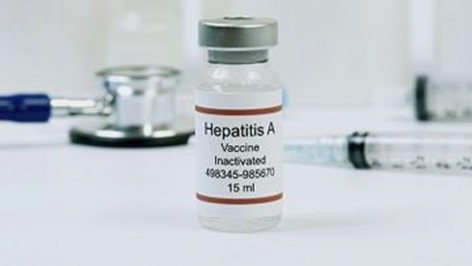
A. Immunization for hepatitis A is recommended prior to travel to high-risk areas.
Hepatitis A is a highly contagious liver infection caused by the hepatitis A virus and is most likely to be contracted from contaminated food or water or from close contact with a person or object that’s infected. The hepatitis A vaccine can protect against hepatitis A and is recommended for travelers to high-risk areas.
B. Hepatitis A is transmitted through blood-to-blood exposure.
Choice B is incorrect because hepatitis A is not transmitted through blood-to-blood exposure but rather through ingestion of contaminated food or water or through direct contact with an infectious person.
C. Clients who have hepatitis A require a broad-spectrum antibiotic.
Choice C is incorrect because antibiotics are not used to treat viral infections such as hepatitis
D. The incubation period of hepatitis A is 5 to 10 days.
A. Choice D is incorrect because the incubation period of hepatitis A is typically 2-6 weeks, not 5-10 days.
Full Explanation
Hepatitis A is a highly contagious liver infection caused by the hepatitis A virus and is most likely to be contracted from contaminated food or water or from close contact with a person or object that’s infected.
The hepatitis A vaccine can protect against hepatitis A and is recommended for travelers to high-risk areas.
Choice B is incorrect because hepatitis A is not transmitted through blood-to-blood exposure but rather through ingestion of contaminated food or water or through direct contact with an infectious person.
Choice C is incorrect because antibiotics are not used to treat viral infections such as hepatitis
A. Choice D is incorrect because the incubation period of hepatitis A is typically 2-6 weeks, not 5-10 days.