
Nursing practice questions with comprehensive rationales
NurseDive Free Nursing Practice Question
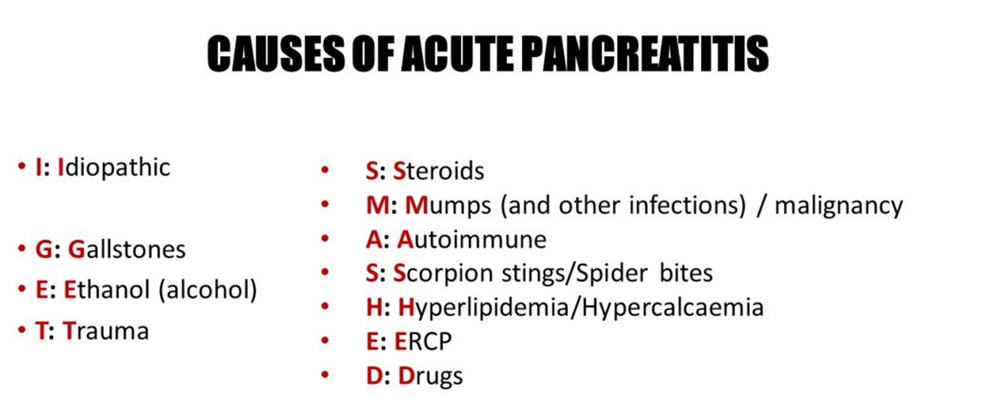
A nurse is caring for a client who has a history of pancreatitis. Which of the following food choices should the client avoid?
A. Noodles
Noodles:Noodles by themselves are typically a carbohydrate source and are lower in fat. However, it's essential to consider how they are prepared. If they are served with a high-fat sauce or other fatty ingredients, they may contribute to a higher fat intake.
B. Vegetable soup
Vegetable soup:Vegetable soup, particularly if it is broth-based and contains a variety of vegetables, can be a healthy and lower-fat option. It provides vitamins, minerals, and fiber without a significant amount of fat.
C. Baked fish
Baked fish: Baked fish is a lean source of protein and is generally lower in fat compared to fried or heavily processed options. The key is in the preparation method; baking is a healthier option than frying. However, it's essential to avoid high-fat toppings or sauces.
D. Cheddar cheese
Cheddar cheese:Cheddar cheese is a high-fat dairy product. Individuals with a history of pancreatitis are often advised to limit their fat intake, and high-fat foods like cheddar cheese can exacerbate symptoms. It's recommended to choose lower-fat or fat-free dairy alternatives.
This question is an excerpt from Nurse Dive's nursing test bank - Ati Custom Pn Basic Care And Comfort Assessment Proctored Exam. Take the full exam now
Full Explanation
A. Noodles:
Noodles by themselves are typically a carbohydrate source and are lower in fat. However, it's essential to consider how they are prepared. If they are served with a high-fat sauce or other fatty ingredients, they may contribute to a higher fat intake.
B. Vegetable soup:
Vegetable soup, particularly if it is broth-based and contains a variety of vegetables, can be a healthy and lower-fat option. It provides vitamins, minerals, and fiber without a significant amount of fat.
C. Baked fish:
Baked fish is a lean source of protein and is generally lower in fat compared to fried or heavily processed options. The key is in the preparation method; baking is a healthier option than frying. However, it's essential to avoid high-fat toppings or sauces.
D. Cheddar cheese:
Cheddar cheese is a high-fat dairy product. Individuals with a history of pancreatitis are often advised to limit their fat intake, and high-fat foods like cheddar cheese can exacerbate symptoms. It's recommended to choose lower-fat or fat-free dairy alternatives.
Similar Questions
A nurse is planning preventive care for a client who is at risk for pressure ulcers and requires bed rest. Which of the following actions should the nurse take?
A. Massage the client’s bony prominences.
Massage the client’s bony prominences:Massaging bony prominences is generally not recommended for individuals at risk for pressure ulcers. Massage can increase friction and shear forces on the skin, which may contribute to skin damage rather than prevent it. Gentle, careful handling of the skin is preferable.
B. Keep the head of the bed elevated.
Keep the head of the bed elevated:While elevating the head of the bed may be appropriate for certain medical conditions, it is not a primary preventive measure for pressure ulcers. In fact, keeping the head of the bed elevated continuously can contribute to pressure on the sacrum and coccyx, increasing the risk of pressure ulcers in those areas.
C. Reposition the client at least every 2 hr.
Reposition the client at least every 2 hr: Regular repositioning is a crucial preventive measure for pressure ulcers. Repositioning helps redistribute pressure, improves blood flow to vulnerable areas, and reduces the risk of skin breakdown.
D. Keep the client’s skin moist.
Keep the client’s skin moist:While maintaining skin moisture is important to prevent dryness and cracking, excessive moisture can contribute to skin breakdown. The emphasis should be on keeping the skin clean and dry, with the use of moisturizers applied judiciously to prevent excessive dryness.
Full Explanation
A. Massage the client’s bony prominences:
Massaging bony prominences is generally not recommended for individuals at risk for pressure ulcers. Massage can increase friction and shear forces on the skin, which may contribute to skin damage rather than prevent it. Gentle, careful handling of the skin is preferable.
B. Keep the head of the bed elevated:
While elevating the head of the bed may be appropriate for certain medical conditions, it is not a primary preventive measure for pressure ulcers. In fact, keeping the head of the bed elevated continuously can contribute to pressure on the sacrum and coccyx, increasing the risk of pressure ulcers in those areas.
C. Reposition the client at least every 2 hr:
Regular repositioning is a crucial preventive measure for pressure ulcers. Repositioning helps redistribute pressure, improves blood flow to vulnerable areas, and reduces the risk of skin breakdown.
D. Keep the client’s skin moist:
While maintaining skin moisture is important to prevent dryness and cracking, excessive moisture can contribute to skin breakdown. The emphasis should be on keeping the skin clean and dry, with the use of moisturizers applied judiciously to prevent excessive dryness.
A nurse is planning a diet for a client who has an iron deficiency. To increase the client’s iron intake, which of the following foods should the nurse provide in the client’s diet?
A. Yogurt
Yogurt:Yogurt is not a significant source of iron. While yogurt provides various nutritional benefits, it is not considered an iron-rich food.
B. Oranges
Oranges:Oranges are a good source of vitamin C, which enhances the absorption of non-heme iron from plant-based foods. However, oranges themselves do not contain substantial amounts of iron. The combination of vitamin C-rich foods with iron-rich foods can be beneficial for iron absorption.
C. Turnips
Turnips: Turnips are a vegetable that, while nutritious, is not particularly high in iron. Additionally, the iron in plant-based foods like turnips is non-heme iron, which is less easily absorbed by the body compared to heme iron found in animal products.
D. Roast beef
Roast beef:Roast beef is a good source of heme iron, which is more easily absorbed by the body. Red meat, such as roast beef, is a valuable dietary source of iron, especially for individuals with iron deficiency.
Full Explanation
A. Yogurt:
Yogurt is not a significant source of iron. While yogurt provides various nutritional benefits, it is not considered an iron-rich food.
B. Oranges:
Oranges are a good source of vitamin C, which enhances the absorption of non-heme iron from plant-based foods. However, oranges themselves do not contain substantial amounts of iron. The combination of vitamin C-rich foods with iron-rich foods can be beneficial for iron absorption.
C. Turnips:
Turnips are a vegetable that, while nutritious, is not particularly high in iron. Additionally, the iron in plant-based foods like turnips is non-heme iron, which is less easily absorbed by the body compared to heme iron found in animal products.
D. Roast beef:
Roast beef is a good source of heme iron, which is more easily absorbed by the body. Red meat, such as roast beef, is a valuable dietary source of iron, especially for individuals with iron deficiency.
A nurse caring for a client who has a chest tube to water-seal drainage plans to straighten the client’s bed linens, rub her back, and assist her to reposition in bed. For which of the following purposes should the nurse perform these actions for this client?
A. To help the nurse validate the client’s reports of pain
To help the nurse validate the client’s reports of painThis option suggests that the nurse's actions (straightening bed linens, rubbing the back, assisting with repositioning) are intended to assess or confirm the client's reports of pain. However, these actions are more aligned with providing comfort and assistance with activities of daily living rather than specifically assessing pain. If the client reports pain related to the chest tube, a more focused assessment and intervention would be needed.
B. To increase positive pressure in the chest
To increase positive pressure in the chestThis option implies that the nurse's actions could somehow influence the positive pressure in the client's chest, which is not accurate. Positive pressure in the chest is usually related to mechanical ventilation or specific medical interventions. The described actions are more related to comfort and assistance with daily activities.
C. To assist the client with ADLS
To assist the client with ADLs (Activities of Daily Living) This is the most appropriate choice. The nurse's actions, such as straightening bed linens, rubbing the back, and assisting with repositioning, align with providing support for the client's daily activities and overall well-being.
D. To modify the client’s perception of pain
To modify the client’s perception of painThis option suggests that the nurse's actions are aimed at altering the client's perception of pain. While comfort measures can contribute to pain management, these specific actions are not typically used to modify perception. If pain is a concern, more direct pain management strategies and assessments would be appropriate.
Full Explanation
A. To help the nurse validate the client’s reports of pain
This option suggests that the nurse's actions (straightening bed linens, rubbing the back, assisting with repositioning) are intended to assess or confirm the client's reports of pain. However, these actions are more aligned with providing comfort and assistance with activities of daily living rather than specifically assessing pain. If the client reports pain related to the chest tube, a more focused assessment and intervention would be needed.
B. To increase positive pressure in the chest
This option implies that the nurse's actions could somehow influence the positive pressure in the client's chest, which is not accurate. Positive pressure in the chest is usually related to mechanical ventilation or specific medical interventions. The described actions are more related to comfort and assistance with daily activities.
C. To assist the client with ADLs (Activities of Daily Living)
This is the most appropriate choice. The nurse's actions, such as straightening bed linens, rubbing the back, and assisting with repositioning, align with providing support for the client's daily activities and overall well-being.
D. To modify the client’s perception of pain
This option suggests that the nurse's actions are aimed at altering the client's perception of pain. While comfort measures can contribute to pain management, these specific actions are not typically used to modify perception. If pain is a concern, more direct pain management strategies and assessments would be appropriate.