
Nursing practice questions with comprehensive rationales
NurseDive Free Nursing Practice Question
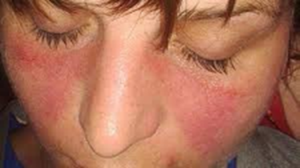
A nurse is caring for a client who has a new diagnosis of systemic lupus erythematosus (SLE) and asks where this disease originates within the body. The nurse should tell the client that SLE originates in which of the following locations in the body?
A. Connective tissue
This is because SLE is an autoimmune disorder that causes inflammation and damage to various organs and tissues, such as the skin, joints, kidneys, heart, and blood vessels. Connective tissue is a type of tissue that supports and binds other tissues and organs in the body.
B. Peripheral vascular system
C. Muscle tissue
D. Lymphatic system
This question is an excerpt from Nurse Dive's nursing test bank - ATI SP 250 Exam 3 Med Surg Proctored Exam. Take the full exam now
Full Explanation
This is because SLE is an autoimmune disorder that causes inflammation and damage to various organs and tissues, such as the skin, joints, kidneys, heart, and blood vessels. Connective tissue is a type of tissue that supports and binds other tissues and organs in the body.
Similar Questions
A nurse is planning a presentation about HIV for a church-based group. Which of the following information about HIV transmission should the nurse include?
A. It is primarily transmitted through casual contact.
B. It is primarily transmitted through mosquitoes.
C. It is primarily transmitted through direct contact with infected body fluids.
This is because HIV is a virus that infects certain cells of the immune system, such as CD4 cells or T cells. HIV can be found in blood, semen, vaginal fluid, breast milk, and other body fluids that contain blood. HIV can be transmitted through sexual contact, sharing needles or syringes, mother-to-child transmission during pregnancy or breastfeeding, or occupational exposure to blood or body fluids.
D. It is primarily transmitted through accidental puncture wounds.
Full Explanation
This is because HIV is a virus that infects certain cells of the immune system, such as CD4 cells or T cells. HIV can be found in blood, semen, vaginal fluid, breast milk, and other body fluids that contain blood. HIV can be transmitted through sexual contact, sharing needles or syringes, mother-to-child transmission during pregnancy or breastfeeding, or occupational exposure to blood or body fluids.
A nurse in an emergency department is caring for a client who has deep partial- and full thickness burns to his chest, abdomen, and upper arms. What is the nurse's priority intervention for this client during the resuscitation of phase of injury?
A. Medicate for pain.
B. Maintain the airway.
This is because inhalation injury can cause airway edema, obstruction, and respiratory failure, which can be life-threatening. The nurse should monitor the client's respiratory status, administer oxygen, and prepare for intubation if needed.
C. Insert an indwelling urinary catheter.
D. Initiate fluid resuscitation.
Full Explanation
This is because inhalation injury can cause airway edema, obstruction, and respiratory failure, which can be life-threatening. The nurse should monitor the client's respiratory status, administer oxygen, and prepare for intubation if needed.
A nurse is planning care for a client who has immunosuppression following chemotherapy. Which of the following interventions should the nurse include in the plan of care?
A. Provide the client with fresh fruit to avoid constipation.
B. Insert an indwelling catheter to monitor sediment in the urine.
C. Take the client's temperature once per shift.
D. Limit the number of health care workers entering the room.
This is because immunosuppression increases the risk of infection, and health care workers can be potential sources of pathogens. The nurse should use standard precautions, avoid invasive procedures, and restrict visitors who are ill.
Full Explanation
This is because immunosuppression increases the risk of infection, and health care workers can be potential sources of pathogens. The nurse should use standard precautions, avoid invasive procedures, and restrict visitors who are ill.