
Nursing practice questions with comprehensive rationales
NurseDive Free Nursing Practice Question
A nurse is caring for a client who has advanced liver disease.
Which of the following laboratory results should the nurse monitor when assessing this client?
A. Glucose level.
Choice A is incorrect because glucose levels are not typically used to monitor liver disease.
B. Serum ammonia.
This statement indicates an understanding of the teaching because serum ammonia levels can be elevated in liver disease and are used to monitor the progression of liver disease.
C. Serum troponin.
Choice C is incorrect because serum troponin levels are used to diagnose heart attacks, not liver disease.
D. Phosphate level.
Choice D is incorrect because phosphate levels are not typically used to monitor liver disease.
This question is an excerpt from Nurse Dive's nursing test bank - ATI Adult Medical Surgical 2019 Proctored Exam. Take the full exam now
Full Explanation
This statement indicates an understanding of the teaching because serum ammonia levels can be elevated in liver disease and are used to monitor the progression of liver disease.
Choice A is incorrect because glucose levels are not typically used to monitor liver disease.
Choice C is incorrect because serum troponin levels are used to diagnose heart attacks, not liver disease.
Choice D is incorrect because phosphate levels are not typically used to monitor liver disease.
Similar Questions
A nurse is caring for a client who has anemia.
Which of the following assessment findings should the nurse anticipate with the client's condition?
A. Headache.
This statement indicates an understanding of the teaching because headache is a common symptom of anemia.
B. Bradycardia.
Choice B is incorrect because bradycardia (slow heart rate) is not a common symptom of anemia. Instead, anemia can cause irregular heartbeats or a fast heartbeat.
C. Heat intolerance.
Choice Cis incorrect because heat intolerance is not a common symptom of anemia.
D. Flushed skin color.
Choice Dis incorrect because flushed skin color is not a common symptom of anemia. Instead, anemia can cause pale or yellowish skin 1.
Full Explanation
This statement indicates an understanding of the teaching because headache is a common symptom of anemia.
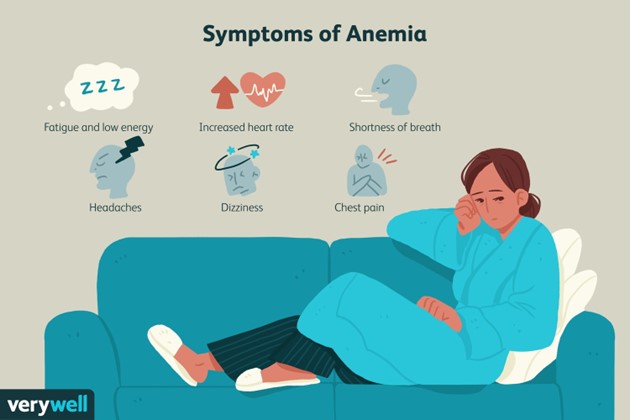 Choice B is incorrect because bradycardia (slow heart rate) is not a common symptom of anemia.
Instead, anemia can cause irregular heartbeats or a fast heartbeat.
Choice D is incorrect because flushed skin color is not a common symptom of anemia.
Instead, anemia can cause pale or yellowish skin 1.
Choice C is incorrect because heat intolerance is not a common symptom of anemia.
A nurse suspects that a client who has diabetes mellitus is experiencing hypoglycemia.
Which of the following assessment findings supports this suspicion?
A. Cool, clammy skin.
This statement indicates an understanding of the teaching because cool, clammy skin is a common symptom of hypoglycemia.
B. Acetone breath.
Choice B is incorrect because acetone breath is a symptom of hyperglycemia (high blood sugar), not hypoglycemia (low blood sugar).
C. Kussmaul respirations.
Choice C is incorrect because Kussmaul respirations (deep and labored breathing) are a symptom of hyperglycemia, not hypoglycemia.
D. Increased urine output.
Choice D is incorrect because increased urine output is a symptom of hyperglycemia, not hypoglycemia.
Full Explanation
This statement indicates an understanding of the teaching because cool, clammy skin is a common symptom of hypoglycemia.
Choice B is incorrect because acetone breath is a symptom of hyperglycemia (high blood sugar), not hypoglycemia (low blood sugar).
Choice C is incorrect because Kussmaul respirations (deep and labored breathing) are a symptom of hyperglycemia, not hypoglycemia.
Choice D is incorrect because increased urine output is a symptom of hyperglycemia, not hypoglycemia.
A nurse in a clinic is providing preventive teaching to an older adult client during a good visit.
The nurse should instruct the client that which of the following immunizations are recommended for healthy adults after age 60. (Select all that apply.).
A. Pneumococcal polysaccharide.
“Pneumococcal polysaccharide,” “Influenza,” and “Herpes zoster.” These statements indicate an understanding of the teaching because these immunizations are recommended for healthy adults after age 60.
B. Meningococcal.
Choice B is incorrect because the meningococcal vaccine is not typically recommended for healthy adults after age 60.
C. Human papillomavirus.
Choice C is incorrect because the human papillomavirus (HPV) vaccine is not typically recommended for healthy adults after age 60.
D. Influenza.
“Pneumococcal polysaccharide,” “Influenza,” and “Herpes zoster.” These statements indicate an understanding of the teaching because these immunizations are recommended for healthy adults after age 60.
E. Herpes zoster.
“Pneumococcal polysaccharide,” “Influenza,” and “Herpes zoster.” These statements indicate an understanding of the teaching because these immunizations are recommended for healthy adults after age 60.
Full Explanation
“Influenza,” and “Herpes zoster.” These statements indicate an understanding of the teaching because these immunizations are recommended for healthy adults after age 60.
Choice B is incorrect because the meningococcal vaccine is not typically recommended for healthy adults after age 60.
Choice C is incorrect because the human papillomavirus (HPV) vaccine is not typically recommended for healthy adults after age 60.