
Nursing practice questions with comprehensive rationales
NurseDive Free Nursing Practice Question
A nurse is caring for a client who has an abdominal surgical incision and notes an evisceration. Which of the following actions should the nurse take?
A. Instruct the client to lie supine with his knees flexed.
This position reduces tension on the abdominal incision and can help minimize further protrusion of the abdominal contents. It also facilitates easier coverage of the wound and can help prevent additional injury.
B. Position the client in semi-Fowler's position.
Semi-Fowler's position is not appropriate in this scenario because it can increase intra-abdominal pressure and exacerbate the evisceration. It may also make it more difficult to manage the protruding organs and to cover the wound adequately.
C. Cover the wound with a dry sterile dressing.
Covering the wound with a dry sterile dressing is not sufficient in the case of evisceration. The exposed organs need to be kept moist to prevent tissue drying and damage. Sterile saline-soaked dressings are typically recommended in such cases.
D. Cover the wound with a transparent dressing.
A transparent dressing is not appropriate for evisceration as it does not provide the necessary moisture and protection. Transparent dressings are more suitable for minor wounds or as secondary dressings but not for exposed internal organs.
This question is an excerpt from Nurse Dive's nursing test bank - ATI Comprehensive Predictor 2023 Proctored Exam. Take the full exam now
Full Explanation
Similar Questions
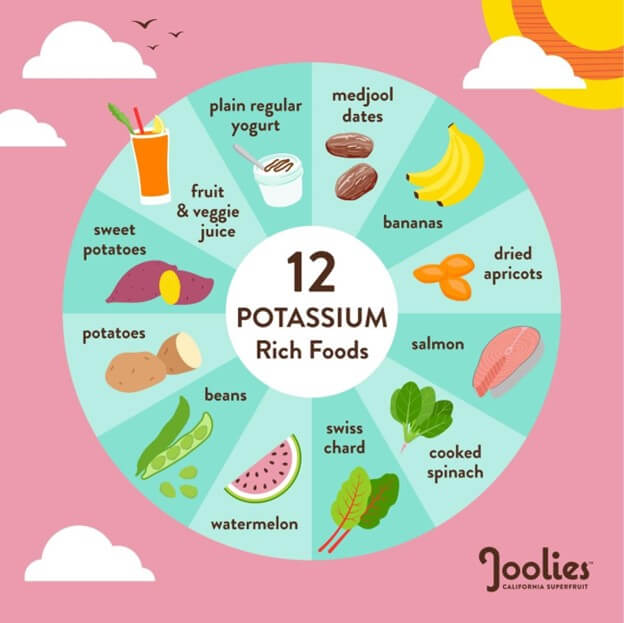
A nurse is reinforcing teaching with a client who has an electrolyte imbalance. Which of the following foods should the nurse include as the highest in potassium?
A. Sweet potato
Sweet potato is a food that is high in potassium, which is an electrolyte that regulates fluid balance, nerve impulses, and muscle contractions in the body. A medium- sized sweet potato contains about 541 mg of potassium, which is more than 10% of the recommended daily intake for adults. Baked chicken breast, wheat bread, and canned green beans are foods that are low or moderate in potassium, containing less than 300 mg per serving.
B. Baked chicken breast
C. Wheat bread
D. Canned green beans
Full Explanation
Explanation: Sweet potato is a food that is high in potassium, which is an electrolyte that regulates fluid balance, nerve impulses, and muscle contractions in the body. A medium- sized sweet potato contains about 541 mg of potassium, which is more than 10% of the recommended daily intake for adults. Baked chicken breast, wheat bread, and canned green beans are foods that are low or moderate in potassium, containing less than 300 mg per serving.
A nurse is collecting data from a client. The nurse should identify that which of the following manifestations is an indication of a candida infection?
A. Hearing loss
None
B. Night sweats
None
C. Brittle nails
None
D. Yellow patches in the mouth
Yellow patches in the mouth are an indication of oral candidiasis, also known as thrush, which is a fungal infection caused by Candida albicans. Oral candidiasis can cause symptoms such as pain, burning, redness, and difficulty swallowing in addition to yellow patches on the tongue, palate, cheeks, or throat. Hearing loss, night sweats, and brittle nails are not manifestations of candida infection.
Full Explanation
Explanation: Yellow patches in the mouth are an indication of oral candidiasis, also known as thrush, which is a fungal infection caused by Candida albicans. Oral candidiasis can cause symptoms such as pain, burning, redness, and difficulty swallowing in addition to yellow patches on the tongue, palate, cheeks, or throat. Hearing loss, night sweats, and
brittle nails are not manifestations of candida infection.
A nurse in a long-term care facility is caring for a client who has methicillin-resistant Staphylococcus aureus (MRSA). Which of the following actions should the nurse take?
A. Remove personal protective equipment after leaving the client’s room.
Removing personal protective equipment (PPE) after leaving the client’s room is incorrect. PPE should be removed before leaving the room to prevent the spread of MRSA to other areas.
B. Ensure that the negative air pressure is active for the client's room.
Ensuring that the negative air pressure is active for the client’s room is incorrect. Negative air pressure rooms are typically used for airborne infections, such as tuberculosis, not for MRSA, which is spread by contact.
C. Restrict the client's visitors
Restricting the client’s visitors is not necessary. Visitors should follow contact precautions, such as wearing gowns and gloves, but they do not need to be restricted.
D. Wear a gown when assisting the client with personal hygiene.
Wearing a gown when assisting the client with personal hygiene is correct. This helps prevent the spread of MRSA by protecting the nurse’s clothing and skin from contamination.