
Nursing practice questions with comprehensive rationales
NurseDive Free Nursing Practice Question
A nurse is caring for a client who has bipolar disorder and a new prescription for valproate. Which of the following instructions should the nurse give the client about the use of this medication?
A. A pretreatment electroencephalogram (EEG) will be done.
A pretreatment electroencephalogram (EEG) will be done.An EEG is not typically necessary when starting valproate for bipolar disorder. EEGs are more commonly used to assess brain activity in the context of epilepsy.
B. High serum sodium levels can cause toxic levels of valproate.
High serum sodium levels can cause toxic levels of valproate.Sodium levels are not directly related to the toxic levels of valproate. The primary concern with valproate is its impact on liver function and potential for hepatotoxicity.
C. Liver function tests must be monitored.
Liver function tests must be monitored. Explanation: Valproate is an antiepileptic and mood-stabilizing medication commonly used to treat bipolar disorder. One of the potential side effects of valproate is hepatotoxicity (liver damage). Therefore, monitoring liver function tests (such as serum transaminases) is important to assess the medication's impact on the liver and to ensure the client's safety.
D. Thyroid function tests should be performed every 6 months
Thyroid function tests should be performed every 6 months.While thyroid function tests might be important for some medications, monitoring thyroid function is not a primary consideration when using valproate. The main focus with valproate is on liver function monitoring.
This question is an excerpt from Nurse Dive's nursing test bank - ATI Mental Health Proctored Exam. Take the full exam now
Full Explanation
A. A pretreatment electroencephalogram (EEG) will be done.
An EEG is not typically necessary when starting valproate for bipolar disorder. EEGs are more commonly used to assess brain activity in the context of epilepsy.
B. High serum sodium levels can cause toxic levels of valproate.
Sodium levels are not directly related to the toxic levels of valproate. The primary concern with valproate is its impact on liver function and potential for hepatotoxicity.
C. Liver function tests must be monitored.
Explanation: Valproate is an antiepileptic and mood-stabilizing medication commonly used to treat bipolar disorder. One of the potential side effects of valproate is hepatotoxicity (liver damage). Therefore, monitoring liver function tests (such as serum transaminases) is important to assess the medication's impact on the liver and to ensure the client's safety.
D. Thyroid function tests should be performed every 6 months.
While thyroid function tests might be important for some medications, monitoring thyroid function is not a primary consideration when using valproate. The main focus with valproate is on liver function monitoring.
Similar Questions
A nurse in a drug and alcohol detoxification center is planning care for a client who has alcohol use disorder. Which of the following interventions Could the nurse identify as the priority?
A. Helping the client identity positive personality traits
While addressing self-esteem and positive personality traits is important for overall psychological well-being, it is not the priority during the acute detoxification phase. Ensuring the client's physical safety and stability is the immediate concern.
B. Providing for adequate hydration and rest
The process of detoxification from alcohol can lead to withdrawal symptoms, some of which can be severe and even life-threatening. Adequate hydration is crucial during this period to prevent dehydration and electrolyte imbalances that can occur due to excessive vomiting, diarrhea, or sweating associated with withdrawal. Rest is also important to help the client's body recover from the physical stress of withdrawal.
C. Educating the client about the consequences of alcohol misuse
Education about the consequences of alcohol misuse is important for the client's understanding and motivation for recovery, but this intervention can come after addressing the immediate physical needs of detoxification.
D. Confronting the use of denial and other defense mechanisms
Addressing denial and defense mechanisms is a critical aspect of therapy for clients with alcohol use disorder, but it might not be the first priority during the detoxification phase. Ensuring the client's physical safety and managing withdrawal symptoms take precedence initially.
Full Explanation
While addressing self-esteem and positive personality traits is important for overall psychological well-being, it is not the priority during the acute detoxification phase. Ensuring the client's physical safety and stability is the immediate concern.
B. Providing for adequate hydration and rest.
Explanation: The process of detoxification from alcohol can lead to withdrawal symptoms, some of which can be severe and even life-threatening. Adequate hydration is crucial during this period to prevent dehydration and electrolyte imbalances that can occur due to excessive vomiting, diarrhea, or sweating associated with withdrawal. Rest is also important to help the client's body recover from the physical stress of withdrawal.
C. Educating the client about the consequences of alcohol misuse.
Education about the consequences of alcohol misuse is important for the client's understanding and motivation for recovery, but this intervention can come after addressing the immediate physical needs of detoxification.
D. Confronting the use of denial and other defense mechanisms.
Addressing denial and defense mechanisms is a critical aspect of therapy for clients with alcohol use disorder, but it might not be the first priority during the detoxification phase. Ensuring the client's physical safety and managing withdrawal symptoms take precedence initially.
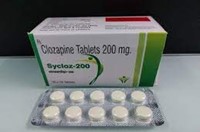
A nurse is preparing to administer clozapine 300 mg PO daily to a client who has schizophrenia. The amount available is clozapine 200 mg tablets. How many tablets should the nurse administer? (Round the answer to the nearest tenth. Use a leading zero if it applies. Do not use a trailing zero.l
Full Explanation
To calculate the number of clozapine 200 mg tablets needed to administer a total of 300 mg, divide the total dose by the dose per tablet:
300 mg / 200 mg = 1.5 tablets
Since you cannot administer half of a tablet, you would need to administer 2 tablets to achieve a total of 300 mg.
So, the nurse should administer 2 tablets of clozapine 200 mg each to achieve a total dose of 300 mg.
A nurse in a drug and alcohol detoxification center is planning care for a client who has alcohol use disorder. Which of the following interventions should the nurse identify as the priority?
A. Helping the client identify positive personality traits
Helping the client identify positive personality traits.While addressing self-esteem and positive personality traits is valuable for the client's overall well-being, it is not the immediate priority during the detoxification phase. Ensuring physiological safety comes first.
B. Providing for adequate hydration and rest
Providing for adequate hydration and rest.Explanation: The detoxification process from alcohol can result in withdrawal symptoms that range from mild discomfort to severe medical complications. Adequate hydration and rest are essential during this phase to manage withdrawal symptoms and prevent potential complications such as dehydration, electrolyte imbalances, and seizures. Maintaining the client's physiological stability is of utmost importance.
C. Educating the client about the consequences of alcohol misuse
Educating the client about the consequences of alcohol misuse.Providing education about the consequences of alcohol misuse is important for the client's understanding and motivation for recovery, but it's not the primary concern during the initial detoxification phase.
D. Confronting the use of denial and other defense mechanisms
Confronting the use of denial and other defense mechanisms.Addressing denial and defense mechanisms is important for therapy, but it might not be the immediate priority. Physiological stabilization through hydration and rest takes precedence in the detoxification phase.
Full Explanation
A. Helping the client identify positive personality traits.
While addressing self-esteem and positive personality traits is valuable for the client's overall well-being, it is not the immediate priority during the detoxification phase. Ensuring physiological safety comes first.
B. Providing for adequate hydration and rest.
Explanation: The detoxification process from alcohol can result in withdrawal symptoms that range from mild discomfort to severe medical complications. Adequate hydration and rest are essential during this phase to manage withdrawal symptoms and prevent potential complications such as dehydration, electrolyte imbalances, and seizures. Maintaining the client's physiological stability is of utmost importance.
C. Educating the client about the consequences of alcohol misuse.
Providing education about the consequences of alcohol misuse is important for the client's understanding and motivation for recovery, but it's not the primary concern during the initial detoxification phase.
D. Confronting the use of denial and other defense mechanisms.
Addressing denial and defense mechanisms is important for therapy, but it might not be the immediate priority. Physiological stabilization through hydration and rest takes precedence in the detoxification phase.