
Nursing practice questions with comprehensive rationales
NurseDive Free Nursing Practice Question
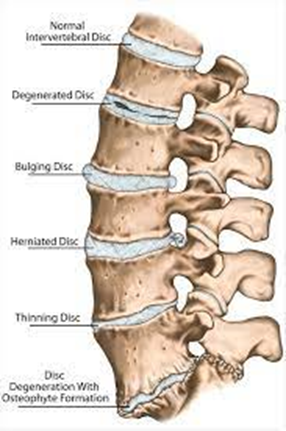
A nurse is caring for a client who has degenerative disc disease and has been diagnosed with cauda equine syndrome. Which of the following would be an expected finding with this condition?
A. Paralytic lleus
Paralytic ileus is incorrect. Paralytic ileus is a condition characterized by obstruction of the intestines due to paralysis of the intestinal muscles, resulting in symptoms such as abdominal pain, bloating, and constipation. Paralytic ileus is not typically associated with cauda equina syndrome, which primarily affects the nerves in the lower back and lower extremities.
B. Blood pressure 80/48 mm Hg
Blood pressure 80/48 mm Hg is incorrect. While cauda equina syndrome can cause neurological symptoms such as lower extremity weakness, numbness, and bowel or bladder dysfunction, it is not typically associated with alterations in blood pressure. Blood pressure changes may occur in response to pain or other systemic factors, but they are not specific to cauda equina syndrome.
C. Weakness in one or both legs
Weakness in one or both legs is correct. Yes, weakness in one or both legs is a characteristic finding of cauda equina syndrome. Compression of the nerve roots in the lower spinal cord can lead to motor deficits, including weakness, difficulty walking, and loss of reflexes in the lower extremities.
D. Potassium 3.2 mEq/L
Potassium 3.2 mEq/L is incorrect. Serum potassium levels are not typically associated with cauda equina syndrome. Abnormal potassium levels may be indicative of electrolyte imbalances, which can occur in various medical conditions but are not specific to cauda equina syndrome.
This question is an excerpt from Nurse Dive's nursing test bank - Ati Medical Surgical Proctored Exam 1. Take the full exam now
Full Explanation
Choice A Reason:
Paralytic ileus is incorrect. Paralytic ileus is a condition characterized by obstruction of the intestines due to paralysis of the intestinal muscles, resulting in symptoms such as abdominal pain, bloating, and constipation. Paralytic ileus is not typically associated with cauda equina syndrome, which primarily affects the nerves in the lower back and lower extremities.
Choice B Reason:
Blood pressure 80/48 mm Hg is incorrect. While cauda equina syndrome can cause neurological symptoms such as lower extremity weakness, numbness, and bowel or bladder dysfunction, it is not typically associated with alterations in blood pressure. Blood pressure changes may occur in response to pain or other systemic factors, but they are not specific to cauda equina syndrome.
Choice C Reason:
Weakness in one or both legs is correct. Yes, weakness in one or both legs is a characteristic finding of cauda equina syndrome. Compression of the nerve roots in the lower spinal cord can lead to motor deficits, including weakness, difficulty walking, and loss of reflexes in the lower extremities.
Choice D Reason:
Potassium 3.2 mEq/L is incorrect. Serum potassium levels are not typically associated with cauda equina syndrome. Abnormal potassium levels may be indicative of electrolyte imbalances, which can occur in various medical conditions but are not specific to cauda equina syndrome.
Similar Questions
A nurse is teaching a client who has a spinal cord injury about sexual stimulation. Which of the following statements by the nurse should be included in the teaching?
A. "You must experiment with your body to find out what stimulation is enjoyable after your injury."
"You must experiment with your body to find out what stimulation is enjoyable after your injury." This statement encourages the client to explore their body and discover what types of sexual stimulation are enjoyable and pleasurable for them post-injury. It promotes self-discovery and empowerment in sexual expression, which can be important for sexual satisfaction and intimacy.
B. "You will not be able to have an intimate relationship with anyone after a spinal cord injury."
"You will not be able to have an intimate relationship with anyone after a spinal cord injury." This statement is incorrect and defeatist. It can create unnecessary feelings of hopelessness and despair in the client. Individuals with spinal cord injuries can still have intimate relationships and engage in sexual activity with partners, albeit with potential adjustments or accommodations.
C. "You should not feel undesirable after your injury. You are still nice-looking."
"You should not feel undesirable after your injury. You are still nice-looking. “While it's important to address body image concerns and reassure the client about their physical appearance, this statement may not directly address sexual stimulation or intimacy. However, it can help promote self-confidence and positive self-esteem, which are important aspects of sexuality and relationships.
D. "Clients who have a spinal cord injury are not aroused by touch around the groin area."
"Clients who have a spinal cord injury are not aroused by touch around the groin area." This statement is inaccurate and dismissive of the individual's potential for sexual arousal and pleasure. Sensation and arousal can vary among individuals with spinal cord injuries, and touch around the groin area may still be arousing for some individuals, depending on the level and extent of injury.
Full Explanation
Choice A Reason:
"You must experiment with your body to find out what stimulation is enjoyable after your injury." This statement encourages the client to explore their body and discover what types of sexual stimulation are enjoyable and pleasurable for them post-injury. It promotes self-discovery and empowerment in sexual expression, which can be important for sexual satisfaction and intimacy.
Choice B Reason:
"You will not be able to have an intimate relationship with anyone after a spinal cord injury." This statement is incorrect and defeatist. It can create unnecessary feelings of hopelessness and despair in the client. Individuals with spinal cord injuries can still have intimate relationships and engage in sexual activity with partners, albeit with potential adjustments or accommodations.
Choice C Reason:
"You should not feel undesirable after your injury. You are still nice-looking. “While it's important to address body image concerns and reassure the client about their physical appearance, this statement may not directly address sexual stimulation or intimacy. However, it can help promote self-confidence and positive self-esteem, which are important aspects of sexuality and relationships.
Choice D Reason:
"Clients who have a spinal cord injury are not aroused by touch around the groin area." This statement is inaccurate and dismissive of the individual's potential for sexual arousal and pleasure. Sensation and arousal can vary among individuals with spinal cord injuries, and touch around the groin area may still be arousing for some individuals, depending on the level and extent of injury.
A nurse is caring for a client who has degenerative disc disease. Which of the following assessment findings should the nurse understand might develop with this condition?
(Select All that Apply.)
A. Hyponatremia
Hyponatremia is incorrect. Hyponatremia refers to low sodium levels in the blood and is not typically associated with degenerative disc disease. This finding is unrelated to the pathophysiology of DDD.
B. Paresthesia
Foot drop is correct. Yes, foot drop can develop with degenerative disc disease, especially if the condition leads to nerve compression or damage in the lumbar spine (lower back). Foot drop refers to difficulty lifting the front part of the foot due to weakness or paralysis of the muscles involved in dorsiflexion.
C. Foot drop
D. Intermittent pain Hyperreflexia
Intermittent pain is correct. Yes, intermittent pain is a hallmark symptom of degenerative disc disease. Pain may vary in intensity and may worsen with certain movements or activities. Individuals with DDD may experience episodes of acute pain, as well as chronic, persistent discomfort.
Full Explanation
Choice A Reason:
Hyponatremia is incorrect. Hyponatremia refers to low sodium levels in the blood and is not typically associated with degenerative disc disease. This finding is unrelated to the pathophysiology of DDD.
Choice B Reason:
Paresthesia is correct. Yes, paresthesia, which refers to abnormal sensations such as tingling, numbness, or burning, can develop with degenerative disc disease. Nerve compression or irritation due to disc degeneration can lead to paresthesia in the affected area, typically radiating along the nerve pathway.
Choice B Reason:
Foot drop is correct. Yes, foot drop can develop with degenerative disc disease, especially if the condition leads to nerve compression or damage in the lumbar spine (lower back). Foot drop refers to difficulty lifting the front part of the foot due to weakness or paralysis of the muscles involved in dorsiflexion.
Choice D Reason:
Intermittent pain is correct. Yes, intermittent pain is a hallmark symptom of degenerative disc disease. Pain may vary in intensity and may worsen with certain movements or activities. Individuals with DDD may experience episodes of acute pain, as well as chronic, persistent discomfort.
A nurse is caring for an older adult client in the emergency department who sustained a head injury due to a fall. Which of the following are common reasons for head injuries in older adults?
(Select All that Apply.)
A. Decreased visual acuity
Decreased visual acuity is correct. Yes, decreased visual acuity, including issues such as poor depth perception, reduced peripheral vision, and difficulty with contrast sensitivity, can contribute to falls and head injuries in older adults.
B. Motor vehicle crashes
Motor vehicle crashes is incorrect. While motor vehicle crashes can cause head injuries in individuals of all ages, they are less common among older adults compared to younger age groups.
C. Polypharmacy
Polypharmacy is correct. Yes, polypharmacy, which refers to the use of multiple medications concurrently, is a common risk factor for falls and head injuries in older adults. Certain medications, especially those with sedative or psychotropic effects, can increase the risk of falls and accidents.
D. Weakness
Weakness is correct. Yes, weakness, frailty, and decreased muscle strength are common age-related changes that can increase the risk of falls and subsequent head injuries in older adults.
E. Chronic hypertension
Chronic hypertension, particularly when poorly controlled, can contribute to an increased risk of falls in older adults through various mechanisms:Hypertension medications or the condition itself can lead to orthostatic hypotension. This can cause dizziness or lightheadedness, increasing the risk of falls.Chronic hypertension is a major risk factor for cerebrovascular disease, including strokes. These events can lead to neurological deficits such as weakness, numbness, or impaired balance, predisposing individuals to falls.
F. Previous military experience
Previous military experience is incorrect. While previous military experience may contribute to certain health conditions or injuries in older adults, it is not a common reason for head injuries specifically related to falls or accidents in this population.
Full Explanation
Choice A Reason:
Decreased visual acuity is correct. Yes, decreased visual acuity, including issues such as poor depth perception, reduced peripheral vision, and difficulty with contrast sensitivity, can contribute to falls and head injuries in older adults.
Choice B Reason:
Motor vehicle crashes is incorrect. While motor vehicle crashes can cause head injuries in individuals of all ages, they are less common among older adults compared to younger age groups.
Choice C Reason:
Polypharmacy is correct. Yes, polypharmacy, which refers to the use of multiple medications concurrently, is a common risk factor for falls and head injuries in older adults. Certain medications, especially those with sedative or psychotropic effects, can increase the risk of falls and accidents.
Choice D Reason:
Weakness is correct. Yes, weakness, frailty, and decreased muscle strength are common age-related changes that can increase the risk of falls and subsequent head injuries in older adults.
Choice E Reason:
Chronic hypertension, particularly when poorly controlled, can contribute to an increased risk of falls in older adults through various mechanisms:Hypertension medications or the condition itself can lead to orthostatic hypotension. This can cause dizziness or lightheadedness, increasing the risk of falls. Chronic hypertension is a major risk factor for cerebrovascular disease, including strokes. These events can lead to neurological deficits such as weakness, numbness, or impaired balance, predisposing individuals to falls.
Choice F Reason:
Previous military experience is incorrect. While previous military experience may contribute to certain health conditions or injuries in older adults, it is not a common reason for head injuries specifically related to falls or accidents in this population.