Nursing practice questions with comprehensive rationales
NurseDive Free Nursing Practice Question
A. Infection
Infection is the correct condition that the client is at increased risk for. Agranulocytosis is a severe decrease in the number of granulocytes, which are a type of white blood cell that fight infection. Propylthiouracil is an antithyroid drug that can cause agranulocytosis as a rare but serious side effect. The client with agranulocytosis is more susceptible to bacterial and fungal infections, and may present with fever, sore throat, mouth ulcers, and skin lesions.
B. Excessive bleeding
Excessive bleeding is not the correct condition that the client is at increased risk for. Agranulocytosis does not affect the platelets, which are the blood cells that help with clotting. Propylthiouracil does not cause bleeding disorders, although it may interact with anticoagulants and increase their effect.
C. Hyperglycemia
Hyperglycemia is not the correct condition that the client is at increased risk for. Agranulocytosis does not affect the insulin, which is the hormone that regulates blood glucose levels. Propylthiouracil does not cause hyperglycemia, although it may interfere with the metabolism of oral hypoglycemic agents and decrease their effect.
D. Ecchymosis
Ecchymosis is not the correct condition that the client is at increased risk for. Ecchymosis is a bruise caused by bleeding under the skin. Agranulocytosis does not cause ecchymosis, as it does not affect the blood vessels or the platelets. Propylthiouracil does not cause ecchymosis, although it may increase the risk of skin rash and pruritus.
This question is an excerpt from Nurse Dive's nursing test bank - Ati Pharmacology Proctored Exam 2. Take the full exam now
Full Explanation
Choice A reason: Infection is the correct condition that the client is at increased risk for. Agranulocytosis is a severe decrease in the number of granulocytes, which are a type of white blood cell that fight infection. Propylthiouracil is an antithyroid drug that can cause agranulocytosis as a rare but serious side effect. The client with agranulocytosis is more susceptible to bacterial and fungal infections, and may present with fever, sore throat, mouth ulcers, and skin lesions.
Choice B reason: Excessive bleeding is not the correct condition that the client is at increased risk for. Agranulocytosis does not affect the platelets, which are the blood cells that help with clotting. Propylthiouracil does not cause bleeding disorders, although it may interact with anticoagulants and increase their effect.
Choice C reason: Hyperglycemia is not the correct condition that the client is at increased risk for. Agranulocytosis does not affect the insulin, which is the hormone that regulates blood glucose levels. Propylthiouracil does not cause hyperglycemia, although it may interfere with the metabolism of oral hypoglycemic agents and decrease their effect.
Choice D reason: Ecchymosis is not the correct condition that the client is at increased risk for. Ecchymosis is a bruise caused by bleeding under the skin. Agranulocytosis does not cause ecchymosis, as it does not affect the blood vessels or the platelets. Propylthiouracil does not cause ecchymosis, although it may increase the risk of skin rash and pruritus.
Similar Questions
A nurse is monitoring a client who is receiving a unit of packed red blood cells (RBCs) following surgery. Which of the following assessments is an indication that the client might be experiencing circulatory overload?
A. Bradycardia
Bradycardia is not an indication of circulatory overload. Bradycardia is a slow heart rate, usually below 60 beats per minute. Circulatory overload causes the heart to work harder to pump the excess fluid in the blood vessels, which can result in tachycardia, or a fast heart rate, usually above 100 beats per minute.
B. Flushing
Flushing is not an indication of circulatory overload. Flushing is a reddening of the skin, usually due to increased blood flow or inflammation. Circulatory overload causes the blood vessels to constrict and increase the blood pressure, which can result in pallor, or a pale appearance of the skin.
C. Vomiting
Vomiting is not an indication of circulatory overload. Vomiting is the forceful expulsion of stomach contents through the mouth, usually due to nausea, infection, or irritation. Circulatory overload does not affect the gastrointestinal system directly, although it may cause abdominal distension or ascites, which is the accumulation of fluid in the abdominal cavity.
D. Dyspnea
Dyspnea is an indication of circulatory overload. Dyspnea is the sensation of difficulty breathing, usually due to inadequate oxygen delivery to the tissues. Circulatory overload causes the excess fluid in the blood vessels to leak into the lungs, which can result in pulmonary edema, or the accumulation of fluid in the alveoli. This impairs the gas exchange and causes hypoxia, or low oxygen levels in the blood.
Full Explanation
Choice A reason: Bradycardia is not an indication of circulatory overload. Bradycardia is a slow heart rate, usually below 60 beats per minute. Circulatory overload causes the heart to work harder to pump the excess fluid in the blood vessels, which can result in tachycardia, or a fast heart rate, usually above 100 beats per minute.
Choice B reason: Flushing is not an indication of circulatory overload. Flushing is a reddening of the skin, usually due to increased blood flow or inflammation. Circulatory overload causes the blood vessels to constrict and increase the blood pressure, which can result in pallor, or a pale appearance of the skin.
Choice C reason: Vomiting is not an indication of circulatory overload. Vomiting is the forceful expulsion of stomach contents through the mouth, usually due to nausea, infection, or irritation. Circulatory overload does not affect the gastrointestinal system directly, although it may cause abdominal distension or ascites, which is the accumulation of fluid in the abdominal cavity.
Choice D reason: Dyspnea is an indication of circulatory overload. Dyspnea is the sensation of difficulty breathing, usually due to inadequate oxygen delivery to the tissues. Circulatory overload causes the excess fluid in the blood vessels to leak into the lungs, which can result in pulmonary edema, or the accumulation of fluid in the alveoli. This impairs the gas exchange and causes hypoxia, or low oxygen levels in the blood.
A nurse is assessing a client after administering IV vancomycin. Which of the following findings is the nurse's priority to report to the provider?
A. Client report of a headache
Client report of a headache is not the nurse's priority to report to the provider. A headache is a common and mild side effect of vancomycin, which is an antibiotic used to treat serious infections. A headache may be caused by dehydration, stress, or other factors, and can be relieved by drinking fluids, resting, or taking analgesics.
B. Audible inspiratory stridor
Audible inspiratory stridor is the nurse's priority to report to the provider. Stridor is a high-pitched, wheezing sound that occurs when breathing in, and indicates a narrowing or obstruction of the airway. Stridor may be a sign of a severe allergic reaction, or anaphylaxis, to vancomycin, which can be life-threatening. Anaphylaxis can also cause swelling of the face, lips, tongue, or throat, difficulty breathing, low blood pressure, and shock. The nurse should stop the infusion, administer epinephrine, and monitor the client's vital signs.
C. Client report of tinnitus
Client report of tinnitus is not the nurse's priority to report to the provider. Tinnitus is a ringing or buzzing sound in the ears, and may be a rare and serious side effect of vancomycin. Tinnitus may indicate damage to the inner ear, or ototoxicity, which can lead to hearing loss. The nurse should check the client's hearing and report any changes to the provider. The provider may adjust the dose or frequency of vancomycin, or switch to another antibiotic.
D. Localized redness at the catheter insertion site
Localized redness at the catheter insertion site is not the nurse's priority to report to the provider. Redness at the catheter insertion site may indicate irritation, inflammation, or infection of the skin or vein, and may be caused by the needle, the catheter, or the medication. The nurse should inspect the site, clean it with antiseptic, and apply a sterile dressing. The nurse should also monitor the site for signs of phlebitis, such as pain, swelling, warmth, or pus. The nurse may need to change the catheter or the infusion site if the redness persists or worsens.
Full Explanation
Choice A reason: Client report of a headache is not the nurse's priority to report to the provider. A headache is a common and mild side effect of vancomycin, which is an antibiotic used to treat serious infections. A headache may be caused by dehydration, stress, or other factors, and can be relieved by drinking fluids, resting, or taking analgesics.
Choice B reason: Audible inspiratory stridor is the nurse's priority to report to the provider. Stridor is a high-pitched, wheezing sound that occurs when breathing in, and indicates a narrowing or obstruction of the airway. Stridor may be a sign of a severe allergic reaction, or anaphylaxis, to vancomycin, which can be life-threatening. Anaphylaxis can also cause swelling of the face, lips, tongue, or throat, difficulty breathing, low blood pressure, and shock. The nurse should stop the infusion, administer epinephrine, and monitor the client's vital signs.
Choice C reason: Client report of tinnitus is not the nurse's priority to report to the provider. Tinnitus is a ringing or buzzing sound in the ears, and may be a rare and serious side effect of vancomycin. Tinnitus may indicate damage to the inner ear, or ototoxicity, which can lead to hearing loss. The nurse should check the client's hearing and report any changes to the provider. The provider may adjust the dose or frequency of vancomycin, or switch to another antibiotic.
Choice D reason: Localized redness at the catheter insertion site is not the nurse's priority to report to the provider. Redness at the catheter insertion site may indicate irritation, inflammation, or infection of the skin or vein, and may be caused by the needle, the catheter, or the medication. The nurse should inspect the site, clean it with antiseptic, and apply a sterile dressing. The nurse should also monitor the site for signs of phlebitis, such as pain, swelling, warmth, or pus. The nurse may need to change the catheter or the infusion site if the redness persists or worsens.
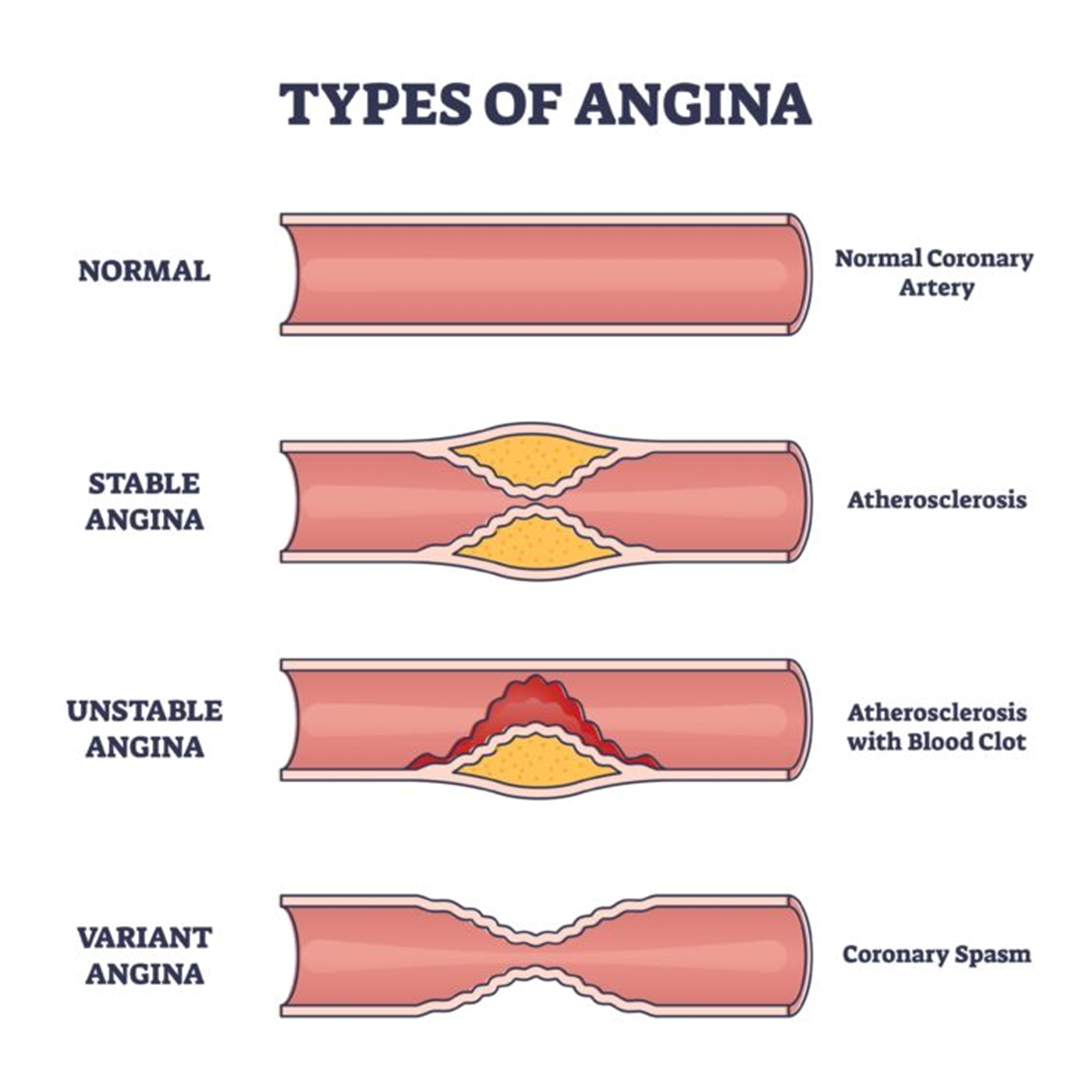
A nurse is providing teaching to a client who has stable angina and a new prescription for transdermal nitroglycerin. Which of the following instructions should the nurse include? (Select all that apply.)
A. Remove the patch for 10 to 12 hours daily.
Removing the patch for 10 to 12 hours daily is a correct instruction. This allows the client to have a nitrate-free period, which prevents the development of tolerance to the medication. Tolerance reduces the effectiveness of nitroglycerin in relieving anginal pain. The client should remove the patch at night, when the risk of angina is lower, and apply a new patch in the morning.
B. Apply the patch to a hairless area and rotate sites.
Applying the patch to a hairless area and rotating sites is a correct instruction. This prevents skin irritation and enhances absorption of the medication. The client should avoid applying the patch to areas that are exposed to heat, sunlight, or friction, as these factors can increase the release of nitroglycerin and cause hypotension.
C. Apply a new patch at the onset of anginal pain.
Applying a new patch at the onset of anginal pain is not a correct instruction. Transdermal nitroglycerin is used for the prevention, not the treatment, of anginal attacks. The onset of action of transdermal nitroglycerin is slow, and it may take several hours to reach peak effect. The client should use sublingual nitroglycerin, which has a rapid onset of action, to treat acute anginal pain.
D. Apply a new patch each morning.
Applying a new patch each morning is a correct instruction. This ensures that the client has a steady and adequate supply of nitroglycerin throughout the day, when the risk of angina is higher. The client should apply the patch to a different site each day, and remove the old patch before applying the new one.
E. Apply the patch to dry skin and cover the area with plastic wrap.
Applying the patch to dry skin and covering the area with plastic wrap is not a correct instruction. This can cause skin maceration, which is the softening and breaking down of the skin due to moisture. This can increase the risk of infection and reduce the absorption of the medication. The client should apply the patch to clean and dry skin, and avoid covering the area with any dressing or tape.
Full Explanation
Choice A reason: Removing the patch for 10 to 12 hours daily is a correct instruction. This allows the client to have a nitrate-free period, which prevents the development of tolerance to the medication. Tolerance reduces the effectiveness of nitroglycerin in relieving anginal pain. The client should remove the patch at night, when the risk of angina is lower, and apply a new patch in the morning.
Choice B reason: Applying the patch to a hairless area and rotating sites is a correct instruction. This prevents skin irritation and enhances absorption of the medication. The client should avoid applying the patch to areas that are exposed to heat, sunlight, or friction, as these factors can increase the release of nitroglycerin and cause hypotension.
Choice C reason: Applying a new patch at the onset of anginal pain is not a correct instruction. Transdermal nitroglycerin is used for the prevention, not the treatment, of anginal attacks. The onset of action of transdermal nitroglycerin is slow, and it may take several hours to reach peak effect. The client should use sublingual nitroglycerin, which has a rapid onset of action, to treat acute anginal pain.
Choice D reason: Applying a new patch each morning is a correct instruction. This ensures that the client has a steady and adequate supply of nitroglycerin throughout the day, when the risk of angina is higher. The client should apply the patch to a different site each day, and remove the old patch before applying the new one.
Choice E reason: Applying the patch to dry skin and covering the area with plastic wrap is not a correct instruction. This can cause skin maceration, which is the softening and breaking down of the skin due to moisture. This can increase the risk of infection and reduce the absorption of the medication. The client should apply the patch to clean and dry skin, and avoid covering the area with any dressing or tape.