
Nursing practice questions with comprehensive rationales
NurseDive Free Nursing Practice Question
A nurse is caring for a client who has fluid volume excess and received furosemide 40 mg via intermittent IV bolus 1 hr ago. Which of the following findings indicates that the medication has been effective?
A. Increased urinary output
Furosemide is a loop diuretic commonly used to treat fluid volume excess by promoting diuresis. One of the expected outcomes of furosemide administration is an increased urinary output as excess fluid is eliminated from the body. Therefore, if the medication has been effective, the nurse would expect to see an increased urinary output as a result of the diuretic effect.
B. Increased respiratory rate
Increased respiratory rate (B) is not an expected outcome of furosemide administration. It may occur in some cases due to increased fluid elimination and potential electrolyte imbalances, but it is not the primary indicator of the medication's effectiveness.
C. Decreased blood pressure
Decreased blood pressure (C) is a possible outcome of furosemide administration due to the diuretic effect and subsequent reduction in fluid volume. However, it is not the most specific indicator of the medication's effectiveness in this case.
D. increased pulse
Increased pulse (D) is not a typical finding associated with the effectiveness of furosemide. In fact, furosemide can sometimes cause a decrease in heart rate due to its impact on fluid and electrolyte balance.
This question is an excerpt from Nurse Dive's nursing test bank - RN VATI Pharmacology S 2019 Proctored Exam. Take the full exam now
Full Explanation
Furosemide is a loop diuretic commonly used to treat fluid volume excess by promoting diuresis. One of the expected outcomes of furosemide administration is an increased urinary output as excess fluid is eliminated from the body. Therefore, if the medication has been effective, the nurse would expect to see an increased urinary output as a result of the diuretic effect.
Increased respiratory rate (B) is not an expected outcome of furosemide administration. It may occur in some cases due to increased fluid elimination and potential electrolyte imbalances, but it is not the primary indicator of the medication's effectiveness.
Decreased blood pressure (C) is a possible outcome of furosemide administration due to the diuretic effect and subsequent reduction in fluid volume. However, it is not the most specific indicator of the medication's effectiveness in this case.
Increased pulse (D) is not a typical finding associated with the effectiveness of furosemide. In fact, furosemide can sometimes cause a decrease in heart rate due to its impact on fluid and electrolyte balance.
Similar Questions
A nurse who is caring for a preschooler should question a prescription for which of the following antibiotics?
A. Azithromycin
Azithromycin: Azithromycin is an appropriate antibiotic for use in preschool-age children and is commonly prescribed for various bacterial infections. It does not pose the same risk of tooth staining as tetracycline, making it a safe option for this age group.
B. Tetracycline
A nurse who is caring for a preschooler should question a prescription for tetracycline. Tetracycline is contraindicated in children under 8 years of age due to its potential to cause permanent discoloration and damage to developing teeth and bones. This adverse effect is known as tooth staining or dental hypoplasia.
C. Cefuroxime
Cefuroxime: Cefuroxime is another antibiotic that is safe for use in preschoolers. It belongs to the cephalosporin class of antibiotics and is commonly prescribed for respiratory tract infections, skin infections, and other bacterial infections.
D. Gentamicin
Gentamicin: While gentamicin is an effective antibiotic, its use in preschool-age children should be carefully monitored. Gentamicin can have potential ototoxic and nephrotoxic effects (damage to the inner ear and kidneys, respectively). However, its use is not strictly contraindicated in this age group, and it can be prescribed when necessary with appropriate monitoring.
Full Explanation
A nurse who is caring for a preschooler should question a prescription for tetracycline. Tetracycline is contraindicated in children under 8 years of age due to its potential to cause permanent discoloration and damage to developing teeth and bones. This adverse effect is known as tooth staining or dental hypoplasia.
Let's go through the other options:
A. Azithromycin: Azithromycin is an appropriate antibiotic for use in preschool-age children and is commonly prescribed for various bacterial infections. It does not pose the same risk of tooth staining as tetracycline, making it a safe option for this age group.
C. Cefuroxime: Cefuroxime is another antibiotic that is safe for use in preschoolers. It belongs to the cephalosporin class of antibiotics and is commonly prescribed for respiratory tract infections, skin infections, and other bacterial infections.
D. Gentamicin: While gentamicin is an effective antibiotic, its use in preschool-age children should be carefully monitored. Gentamicin can have potential ototoxic and nephrotoxic effects (damage to the inner ear and kidneys, respectively). However, its use is not strictly contraindicated in this age group, and it can be prescribed when necessary with appropriate monitoring.
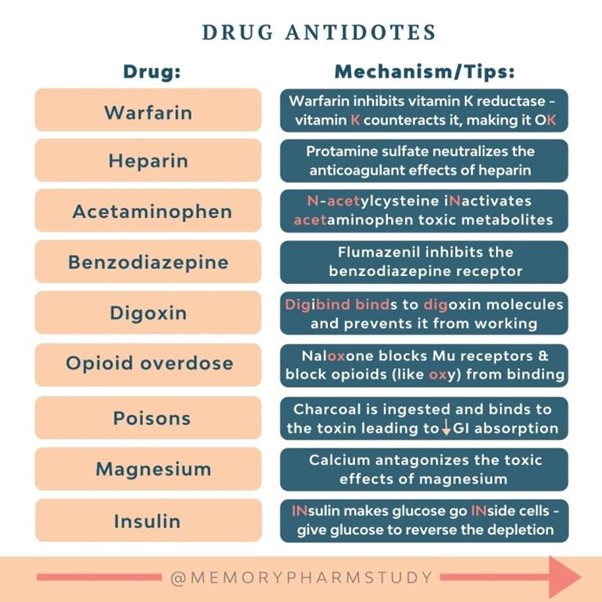
A nurse is caring for a client who is receiving diazepam as sedation for an endoscopy, Which of the following antidotes should the nurse have on hand during the procedure?
A. Naloxone
Naloxone (A) is the antidote for opioid overdose and would not be appropriate for reversing the effects of diazepam.
B. Atropine
Atropine (B) is an anticholinergic medication used to increase heart rate and is not specific to the reversal of diazepam sedation.
C. Flumazenil
Flumazenil is the antidote for diazepam, which is a benzodiazepine. Flumazenil is a selective antagonist that can reverse the sedative effects of benzodiazepines and is commonly used in cases of benzodiazepine overdose or to reverse sedation after procedures.
D. Neostigmine
Neostigmine (D) is a cholinesterase inhibitor used to reverse the effects of non-depolarizing neuromuscular blocking agents and is not indicated for reversing the effects of diazepam.
Full Explanation
Flumazenil is the antidote for diazepam, which is a benzodiazepine. Flumazenil is a selective antagonist that can reverse the sedative effects of benzodiazepines and is commonly used in cases of benzodiazepine overdose or to reverse sedation after procedures.
Naloxone (A) is the antidote for opioid overdose and would not be appropriate for reversing the effects of diazepam.
Atropine (B) is an anticholinergic medication used to increase heart rate and is not specific to the reversal of diazepam sedation.
Neostigmine (D) is a cholinesterase inhibitor used to reverse the effects of non-depolarizing neuromuscular blocking agents and is not indicated for reversing the effects of diazepam.
A nurse in the PACU is caring for a client who received isoflurane. Which of the following assessments is the nurse's priority?
A. Intake and output
Intake and output: Monitoring intake and output is essential in the postoperative care of a client to assess fluid balance and kidney function. However, it is not the priority assessment when the client has received isoflurane in the PACU. The priority assessment in this situation is related to the potential cardiovascular side effect of isoflurane, which is hypotension. Hypotension can have immediate and significant implications for the client's perfusion and overall well-being, requiring prompt attention and intervention.
B. Non verbal pain cues
Non-verbal pain cues: Assessing for pain is important in the postoperative period to ensure adequate pain management and comfort for the client. However, it is not the priority assessment when the client has received isoflurane in the PACU. The priority assessment at this time is related to the potential cardiovascular impact of the anesthesia, which is blood pressure. Addressing hypotension takes precedence over pain assessment as it poses a more immediate threat to the client's well-being.
C. Bowel sounds
Bowel sounds: Assessing bowel sounds is part of a comprehensive postoperative assessment to monitor the return of bowel function after surgery. While it is important, it is not the priority assessment when the client has received isoflurane in the PACU. The priority assessment in this situation is related to the potential cardiovascular side effect of the anesthesia, which is blood pressure. Monitoring and managing hypotension is of greater concern in the immediate postoperative period.
D. Blood pressure
Blood pressure: This is the correct answer. The priority assessment for a client who received isoflurane in the PACU is the blood pressure. Isoflurane is an inhalation anesthetic that can cause hypotension (low blood pressure). Monitoring the client's blood pressure is crucial to promptly identify and address any hypotension, as it can lead to inadequate tissue perfusion and oxygenation. Addressing blood pressure deviations is essential for the client's cardiovascular stability and overall recovery in the PACU.
Full Explanation
A. Intake and output: Monitoring intake and output is essential in the postoperative care of a client to assess fluid balance and kidney function. However, it is not the priority assessment when the client has received isoflurane in the PACU. The priority assessment in this situation is related to the potential cardiovascular side effect of isoflurane, which is hypotension. Hypotension can have immediate and significant implications for the client's perfusion and overall well-being, requiring prompt attention and intervention.
B. Non-verbal pain cues: Assessing for pain is important in the postoperative period to ensure adequate pain management and comfort for the client. However, it is not the priority assessment when the client has received isoflurane in the PACU. The priority assessment at this time is related to the potential cardiovascular impact of the anesthesia, which is blood pressure. Addressing hypotension takes precedence over pain assessment as it poses a more immediate threat to the client's well-being.
C. Bowel sounds: Assessing bowel sounds is part of a comprehensive postoperative assessment to monitor the return of bowel function after surgery. While it is important, it is not the priority assessment when the client has received isoflurane in the PACU. The priority assessment in this situation is related to the potential cardiovascular side effect of the anesthesia, which is blood pressure. Monitoring and managing hypotension is of greater concern in the immediate postoperative period.
D. Blood pressure: This is the correct answer. The priority assessment for a client who received isoflurane in the PACU is the blood pressure. Isoflurane is an inhalation anesthetic that can cause hypotension (low blood pressure). Monitoring the client's blood pressure is crucial to promptly identify and address any hypotension, as it can lead to inadequate tissue perfusion and oxygenation. Addressing blood pressure deviations is essential for the client's cardiovascular stability and overall recovery in the PACU.