
Nursing practice questions with comprehensive rationales
NurseDive Free Nursing Practice Question
A nurse is caring for a client who has gambling disorder. Which of the following statements should the nurse make?
A. "Why do you think you enjoy gambling so much?"
Asking why the client enjoys gambling doesn't address the underlying issues of gambling disorder.
B. "You should apologize to your family for your behavior."
Instructing the client to apologize to their family is judgmental and not therapeutic.
C. "Your family must be very angry with you right now."
Assuming the family's emotions and feelings is not appropriate and may not be accurate.
D. "Tell me about your first experience with gambling."
Asking about the client's first experience with gambling can help uncover triggers and patterns related to the disorder, which can be useful for treatment.
This question is an excerpt from Nurse Dive's nursing test bank - RN ati Concept-based assessment level proctored exam. Take the full exam now
Full Explanation
Choice A rationale:
Asking why the client enjoys gambling doesn't address the underlying issues of gambling disorder.
Choice B rationale:
Instructing the client to apologize to their family is judgmental and not therapeutic.
Choice C rationale:
Assuming the family's emotions and feelings is not appropriate and may not be accurate.
Choice D rationale:
Asking about the client's first experience with gambling can help uncover triggers and patterns related to the disorder, which can be useful for treatment.
Similar Questions
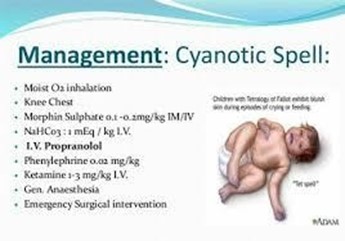
A nurse is caring for an infant who has tetralogy of Fallot. The infant is crying and is experiencing a hypercyanotic spell. Which of the following actions should the nurse take first?
A. Administer morphine subcutaneously.
Morphine subcutaneously can help reduce anxiety and stress, but supplying oxygen is the priority intervention.
B. Apply a face mask supplying 100% oxygen.
During a hypercyanotic spell ("tet spell"), the infant's oxygen levels drop, leading to cyanosis (blue skin) and distress. Administering oxygen can help improve oxygen saturation and alleviate the spell.
C. Attempt to calm and soothe the child.
Calming and soothing the child may not be sufficient to address the oxygen saturation issue during a hypercyanotic spell.
D. Place the infant in a knee-chest position.
Placing the infant in a knee-chest position can help improve blood flow, but administering oxygen should be the initial step.
Full Explanation
Choice A rationale:
Morphine subcutaneously can help reduce anxiety and stress, but supplying oxygen is the priority intervention.
Choice B rationale:
During a hypercyanotic spell ("tet spell"), the infant's oxygen levels drop, leading to cyanosis (blue skin) and distress. Administering oxygen can help improve oxygen saturation and alleviate the spell.
Choice C rationale:
Calming and soothing the child may not be sufficient to address the oxygen saturation issue during a hypercyanotic spell.
Choice D rationale:
Placing the infant in a knee-chest position can help improve blood flow, but administering oxygen should be the initial step.
A nurse is planning care for a client who has primary syphilis. Which of the following actions should the nurse take?
A. Monitor the client for hearing loss.
Monitoring for hearing loss is not a specific action for primary syphilis. Hearing loss can occur in later stages of syphilis.
B. Use contact precautions when caring for the client.
Contact precautions are not typically required for primary syphilis, as it is primarily transmitted through sexual contact.
C. Administer an antiviral medication to the client.
Antiviral medications are not used to treat syphilis. Antibiotics are the primary treatment.
D. Report the infection to the public health department.
Syphilis is a sexually transmitted infection that is required to be reported to the public health department for tracking and control.
Full Explanation
Choice A rationale:
Monitoring for hearing loss is not a specific action for primary syphilis. Hearing loss can occur in later stages of syphilis.
Choice B rationale:
Contact precautions are not typically required for primary syphilis, as it is primarily transmitted through sexual contact.
Choice C rationale:
Antiviral medications are not used to treat syphilis. Antibiotics are the primary treatment.
Choice D rationale:
Syphilis is a sexually transmitted infection that is required to be reported to the public health department for tracking and control.
A nurse is planning care for a client who has leukemia and is prescribed bed rest. Which of the following interventions should the nurse include in the plan?
A. Have the client perform pulmonary hygiene every 8 hr.
Pulmonary hygiene is important, but it is not the priority for a client on bed rest with leukemia.
B. Place the client on airborne precautions.
Airborne precautions are not necessary for leukemia, which is not an airborne-transmitted disease.
C. Turn the client every 4 hr and apply powder to moist areas.
Turning the client every 4 hours helps prevent pressure ulcers and applying powder to moist areas helps maintain skin integrity.
D. Assess the client's urine for odor and cloudiness.
Assessing urine for odor and cloudiness is not specific to the care needs of a client with leukemia on bed rest.
Full Explanation
- Rationale for Choice A: Pulmonary hygiene is important for preventing pneumonia, especially in bedridden clients. However, it is not specific to the care of a client with leukemia unless they have a respiratory complication which necessitates such an intervention.
- Rationale for Choice B: Airborne precautions are typically used for clients who have infections that can be transmitted through the air, such as tuberculosis. Leukemia does not require airborne precautions unless the client has a coexisting airborne infection.
- Rationale for Choice C: Regular turning of the client can help prevent pressure ulcers and is a good practice for any bedridden patient. However, the use of powder is controversial as it can cake and lead to skin breakdown, and is not specifically indicated for leukemia care.
- Rationale for Choice D: Assessing the client's urine for odor and cloudiness is an important part of care for clients with leukemia. They are at increased risk for urinary tract infections due to immunosuppression, and changes in urine can indicate an infection that needs prompt treatment.