
Nursing practice questions with comprehensive rationales
NurseDive Free Nursing Practice Question
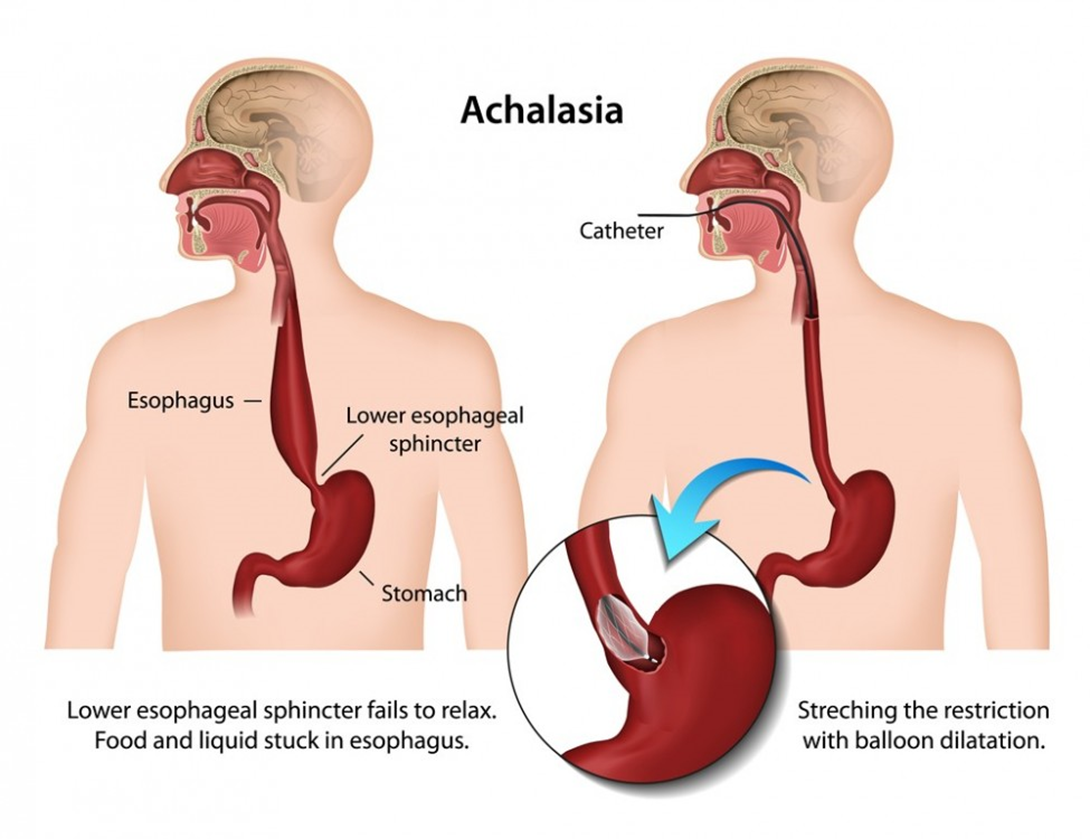
A nurse is caring for a client who has oral achalasia. The nurse should ask the client which of the following questions to assess their ability to swallow?
A. "Do you feel like you have food stuck at the base of your throat?"
Asking if the client feels like they have food stuck at the base of their throat is a pertinent question for assessing swallowing in a client with oral achalasia. Achalasia is characterized by difficulty in swallowing due to the inability of the lower esophageal sphincter to relax, leading to a sensation of food being stuck.
B. "Do you feel any burning sensations in your throat?"
While burning sensations in the throat can be associated with gastroesophageal reflux disease (GERD), they are not specific to achalasia. However, some clients with achalasia may experience similar symptoms due to food stasis and fermentation in the esophagus.
C. "Do you have any feelings of fullness in the neck?"
Feelings of fullness in the neck are not a typical symptom of achalasia. Achalasia primarily affects the esophagus and does not usually cause a sensation of fullness in the neck.
D. "Do you have any problems with pain while swallowing?"
Pain while swallowing, or odynophagia, can occur in achalasia but is more commonly associated with conditions that cause inflammation or irritation of the esophagus, such as infections or ingestion of irritants.
This question is an excerpt from Nurse Dive's nursing test bank - Ati Rn Adult Medical Surgical 2023 Proctored Exam. Take the full exam now
Full Explanation
Choice A reason: Asking if the client feels like they have food stuck at the base of their throat is a pertinent question for assessing swallowing in a client with oral achalasia. Achalasia is characterized by difficulty in swallowing due to the inability of the lower esophageal sphincter to relax, leading to a sensation of food being stuck.
Choice B reason: While burning sensations in the throat can be associated with gastroesophageal reflux disease (GERD), they are not specific to achalasia. However, some clients with achalasia may experience similar symptoms due to food stasis and fermentation in the esophagus.
Choice C reason: Feelings of fullness in the neck are not a typical symptom of achalasia. Achalasia primarily affects the esophagus and does not usually cause a sensation of fullness in the neck.
Choice D reason: Pain while swallowing, or odynophagia, can occur in achalasia but is more commonly associated with conditions that cause inflammation or irritation of the esophagus, such as infections or ingestion of irritants.
Similar Questions
A nurse in a clinic is assessing a client who has type 1 diabetes mellitus. The client is diaphoretic, has a heart rate of 92/min, and reports palpitations. The client states, "I went for my morning run and feel exhausted." Which of the following responses should the nurse make?
A. "Were you careful to not have carbohydrates after the run?"
Advising the client to avoid carbohydrates after exercise is not appropriate. Carbohydrates are necessary to replenish glycogen stores after exercise, and individuals with diabetes need to monitor their blood sugar levels to manage carbohydrate intake accordingly.
B. "It is normal to feel this way after a morning run."
Saying it is normal to feel exhausted after a morning run does not address the client's symptoms of diaphoresis, increased heart rate, and palpitations, which could be signs of hypoglycemia, a common risk for individuals with type 1 diabetes after exercise.
C. "It becomes easier when exercise is a routine."
While it's true that exercise can become easier with routine, this statement does not address the client's immediate concerns about their symptoms following exercise.
D. "Did you decrease your insulin intake before you exercised?"
Asking if the client decreased their insulin intake before exercising is an appropriate response. Individuals with type 1 diabetes need to adjust their insulin dosage to account for physical activity, which can significantly lower blood glucose levels.
Full Explanation
Choice A reason: Advising the client to avoid carbohydrates after exercise is not appropriate. Carbohydrates are necessary to replenish glycogen stores after exercise, and individuals with diabetes need to monitor their blood sugar levels to manage carbohydrate intake accordingly.
Choice B reason: Saying it is normal to feel exhausted after a morning run does not address the client's symptoms of diaphoresis, increased heart rate, and palpitations, which could be signs of hypoglycemia, a common risk for individuals with type 1 diabetes after exercise.
Choice C reason: While it's true that exercise can become easier with routine, this statement does not address the client's immediate concerns about their symptoms following exercise.
Choice D reason: Asking if the client decreased their insulin intake before exercising is an appropriate response. Individuals with type 1 diabetes need to adjust their insulin dosage to account for physical activity, which can significantly lower blood glucose levels.
A nurse is teaching a client who has Graves' disease about recognizing the manifestations of thyroid storm. Which of the following findings should the nurse include in the teaching?
A. Hypotension
Hypotension, or low blood pressure, is not typically associated with thyroid storm. Thyroid storm is a life-threatening condition that often presents with hypertensive crisis due to the excessive amount of thyroid hormones accelerating the body's metabolism.
B. Increased temperature
Increased temperature is a hallmark sign of thyroid storm. Patients experiencing a thyroid storm can have a high fever, with temperatures ranging from 104°F to 106°F. This is due to the hypermetabolic state induced by excessive thyroid hormones, which increases the body's heat production.
C. Lethargy
Lethargy is not a common symptom of thyroid storm. Instead, patients may experience agitation, irritability, and anxiety due to the overstimulation of the nervous system by excessive thyroid hormones. Lethargy might be observed in hypothyroidism, which is the opposite condition.
D. Decreased heart rate
A decreased heart rate is not characteristic of thyroid storm. On the contrary, tachycardia, or a rapid heart rate, is a common symptom. The heart rate can exceed 140 beats per minute as the body's demand for oxygen increases due to the hypermetabolic state.
Full Explanation
Choice A reason: Hypotension, or low blood pressure, is not typically associated with thyroid storm. Thyroid storm is a life-threatening condition that often presents with hypertensive crisis due to the excessive amount of thyroid hormones accelerating the body's metabolism.
Choice B reason: Increased temperature is a hallmark sign of thyroid storm. Patients experiencing a thyroid storm can have a high fever, with temperatures ranging from 104°F to 106°F. This is due to the hypermetabolic state induced by excessive thyroid hormones, which increases the body's heat production.
Choice C reason: Lethargy is not a common symptom of thyroid storm. Instead, patients may experience agitation, irritability, and anxiety due to the overstimulation of the nervous system by excessive thyroid hormones. Lethargy might be observed in hypothyroidism, which is the opposite condition.
Choice D reason: A decreased heart rate is not characteristic of thyroid storm. On the contrary, tachycardia, or a rapid heart rate, is a common symptom. The heart rate can exceed 140 beats per minute as the body's demand for oxygen increases due to the hypermetabolic state.
A nurse is caring for a client who is experiencing a seizure. Which of the following actions should the nurse take first?
A. Clear items from the client's surrounding area.
Clearing items from the client's surrounding area is important, but it is not the first action a nurse should take. The priority is to prevent injury to the client, and while removing potential hazards is part of this, it comes after ensuring the client's immediate safety.
B. Loosen the client's restrictive clothing.
Loosening restrictive clothing can help the client breathe more easily and prevent further injury. However, this is not the first step in seizure first aid. The initial focus should be on preventing injury by controlling the client's fall.
C. Lower the client to the floor.
Lowering the client to the floor is the first and most critical action to take. This prevents a fall that could result in serious injury. Once on the floor, the client should be turned gently onto one side to help maintain an open airway and allow any fluids to drain, which can help prevent aspiration.
D. Obtain the client's vital signs.
Obtaining the client's vital signs is a secondary action after the seizure has ended. During a seizure, the primary concern is the client's immediate safety, which includes preventing injury and maintaining an open airway.
Full Explanation
Choice A reason: Clearing items from the client's surrounding area is important, but it is not the first action a nurse should take. The priority is to prevent injury to the client, and while removing potential hazards is part of this, it comes after ensuring the client's immediate safety.
Choice B reason: Loosening restrictive clothing can help the client breathe more easily and prevent further injury. However, this is not the first step in seizure first aid. The initial focus should be on preventing injury by controlling the client's fall.
Choice C reason: Lowering the client to the floor is the first and most critical action to take. This prevents a fall that could result in serious injury. Once on the floor, the client should be turned gently onto one side to help maintain an open airway and allow any fluids to drain, which can help prevent aspiration.
Choice D reason: Obtaining the client's vital signs is a secondary action after the seizure has ended. During a seizure, the primary concern is the client's immediate safety, which includes preventing injury and maintaining an open airway.