Nursing practice questions with comprehensive rationales
NurseDive Free Nursing Practice Question
A nurse is caring for a client who has throat cancer and is receiving radiation therapy. The client reports nausea, stomatitis, and weight loss. Which of the following dietary interventions should the nurse recommend?
A. Increase intake of liquids at mealtime.
Increase intake of liquids at mealtime: While it is important for the client to maintain hydration, increasing liquid intake at mealtime may contribute to a feeling of fullness and exacerbate nausea. It is generally recommended to consume liquids between meals rather than with meals.
B. Serve foods hot.
Serve foods hot: Serving foods hot may not directly address the client's symptoms. The temperature of the food is unlikely to alleviate nausea, stomatitis, or weight loss.
C. Consume foods high in fat content.
Consume foods high in fat content: Foods high in fat content may be difficult to tolerate for a client experiencing nausea and stomatitis. Additionally, focusing on increasing protein intake is generally a higher priority than increasing fat intake for a client experiencing weight loss.
D. Select foods high in protein.
Throat cancer and radiation therapy can cause various side effects, including nausea, stomatitis (inflammation of the mouth), and weight loss. In this situation, it is important to focus on nutritional support and addressing the client's symptoms. Selecting foods high in protein is recommended for this client. Protein is essential for tissue repair and maintaining muscle mass, which is crucial for recovery and preventing further weight loss. Foods high in protein include lean meats, poultry, fish, dairy products, eggs, legumes, and tofu. The nurse can work with a registered dietitian to develop a meal plan that incorporates protein-rich foods while considering the client's preferences and any specific dietary restrictions.
This question is an excerpt from Nurse Dive's nursing test bank - ATI RN Nutrition 2019 Proctored Exam. Take the full exam now
Full Explanation
Throat cancer and radiation therapy can cause various side effects, including nausea, stomatitis (inflammation of the mouth), and weight loss. In this situation, it is important to focus on nutritional support and addressing the client's symptoms.
Selecting foods high in protein is recommended for this client. Protein is essential for tissue repair and maintaining muscle mass, which is crucial for recovery and preventing further weight loss. Foods high in protein include lean meats, poultry, fish, dairy products, eggs, legumes, and tofu. The nurse can work with a registered dietitian to develop a meal plan that incorporates protein-rich foods while considering the client's preferences and any specific dietary restrictions.
Regarding the other options:
● Increase intake of liquids at mealtime: While it is important for the client to maintain hydration, increasing liquid intake at mealtime may contribute to a feeling of fullness and exacerbate nausea. It is generally recommended to consume liquids between meals rather than with meals.
● Serve foods hot: Serving foods hot may not directly address the client's symptoms. The temperature of the food is unlikely to alleviate nausea, stomatitis, or weight loss.
● Consume foods high in fat content: Foods high in fat content may be difficult to tolerate for a client experiencing nausea and stomatitis. Additionally, focusing on increasing protein intake is generally a higher priority than increasing fat intake for a client experiencing weight loss
Similar Questions
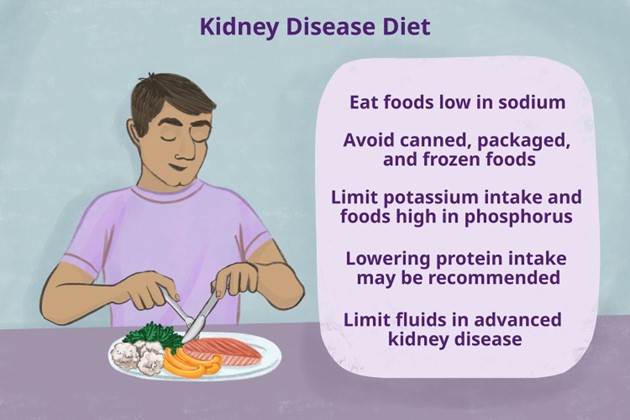
A nurse is teaching about nutrition to a client who has a new diagnosis of chronic kidney disease. Which of the following recommendations should the nurse include in the teaching?
A. Limit calcium intake.
Limit calcium intake: Calcium intake does not need to be limited unless there are specific complications related to calcium metabolism, such as hypercalcemia or certain types of kidney stones. Calcium is important for bone health, and adequate intake should be maintained unless otherwise directed by the healthcare provider.
B. Limit protein intake.
Limiting protein intake is an important dietary modification for clients with chronic kidney disease. High protein intake can increase the workload on the kidneys and lead to further decline in kidney function. Restricting protein intake helps reduce the accumulation of waste products in the blood, such as urea and creatinine, which are normally eliminated by the kidneys. The specific amount of protein restriction will depend on the stage of CKD and the client's individual needs. It is important for the client to work with a registered dietitian who specializes in kidney disease to determine the appropriate protein intake.
C. Increase phosphorus intake.
Increase phosphorus intake: Phosphorus intake needs to be restricted in chronic kidney disease, especially in later stages. Elevated levels of phosphorus in the blood can lead to bone and cardiovascular complications. The client should be educated on foods that are high in phosphorus, such as dairy products, nuts, and cola drinks, and instructed to limit their intake.
D. Increase potassium intake.
Increase potassium intake: In most cases of chronic kidney disease, potassium intake needs to be limited. Damaged kidneys may have difficulty regulating potassium levels, and high levels of potassium in the blood can be dangerous. The client should be instructed to limit potassium intake and avoid high-potassium foods, such as bananas, oranges, tomatoes, and potatoes, unless specifically advised otherwise by their healthcare provider.
Full Explanation
Limiting protein intake is an important dietary modification for clients with chronic kidney disease. High protein intake can increase the workload on the kidneys and lead to further decline in kidney function. Restricting protein intake helps reduce the accumulation of waste products in the blood, such as urea and creatinine, which are normally eliminated by the kidneys. The specific amount of protein restriction will depend on the stage of CKD and the client's individual needs. It is important for the client to work with a registered dietitian who specializes in kidney disease to determine the appropriate protein intake.
Limit calcium intake: Calcium intake does not need to be limited unless there are specific complications related to calcium metabolism, such as hypercalcemia or certain types of kidney stones. Calcium is important for bone health, and adequate intake should be maintained unless otherwise directed by the healthcare provider.
Increase potassium intake: In most cases of chronic kidney disease, potassium intake needs to be limited. Damaged kidneys may have difficulty regulating potassium levels, and high levels of potassium in the blood can be dangerous. The client should be instructed to limit potassium intake and avoid high-potassium foods, such as bananas, oranges, tomatoes, and potatoes, unless specifically advised otherwise by their healthcare provider.
Increase phosphorus intake: Phosphorus intake needs to be restricted in chronic kidney disease, especially in later stages. Elevated levels of phosphorus in the blood can lead to bone and cardiovascular complications. The client should be educated on foods that are high in phosphorus, such as dairy products, nuts, and cola drinks, and instructed to limit their intake
A nurse is providing discharge teaching for a client who has iron deficiency anemia. Which of the following information should the nurse include?
A. Drinking iced tea with meals can increase the amount of iron absorbed.
This statement is not correct. Drinking iced tea, especially black tea, can inhibit the absorption of iron. It contains compounds that interfere with the body's ability to absorb non-heme iron, which is found in plant-based foods and supplements. Therefore, this information is not accurate and should not be included in the teaching.
B. Drinking orange juice with iron supplements can decrease absorption.
This statement is not correct either. In fact, drinking orange juice with iron supplements can enhance iron absorption. This is because orange juice is a good source of vitamin C, which helps the body absorb non-heme iron more effectively. So, this information is inaccurate and should not be included in the teaching.
C. Fish and poultry are primary sources of heme iron.
This statement is correct. Heme iron is found in animal-based sources like fish and poultry, and it is more readily absorbed by the body compared to non-heme iron from plant-based sources.
D. Cooking in a stainless steel skillet increases the amount of iron in the food.
This statement is not accurate. Cooking in a stainless steel skillet does not significantly increase the iron content in food. The type of iron in the skillet is not the same as the dietary iron, and it doesn't transfer in significant amounts to the food being cooked. Therefore, this information is not correct and should not be included in the teaching.
Full Explanation
A) Drinking iced tea with meals can increase the amount of iron absorbed.
- This statement is not correct. Drinking iced tea, especially black tea, can inhibit the absorption of iron. It contains compounds that interfere with the body's ability to absorb non-heme iron, which is found in plant-based foods and supplements. Therefore, this information is not accurate and should not be included in the teaching.
B) Drinking orange juice with iron supplements can decrease absorption.
- This statement is not correct either. In fact, drinking orange juice with iron supplements can enhance iron absorption. This is because orange juice is a good source of vitamin C, which helps the body absorb non-heme iron more effectively. So, this information is inaccurate and should not be included in the teaching.
C) Fish and poultry are primary sources of heme iron.
- This statement is correct. Heme iron is found in animal-based sources like fish and poultry, and it is more readily absorbed by the body compared to non-heme iron from plant-based sources.
D) Cooking in a stainless steel skillet increases the amount of iron in the food.
- This statement is not accurate. Cooking in a stainless steel skillet does not significantly increase the iron content in food. The type of iron in the skillet is not the same as the dietary iron, and it doesn't transfer in significant amounts to the food being cooked. Therefore, this information is not correct and should not be included in the teaching.
So, the nurse should include the information from option C, which is accurate: "Fish and poultry are primary sources of heme iron." Options A, B, and D contain inaccurate information and should be avoided in the teaching to ensure the client receives correct guidance for managing iron deficiency anemia.
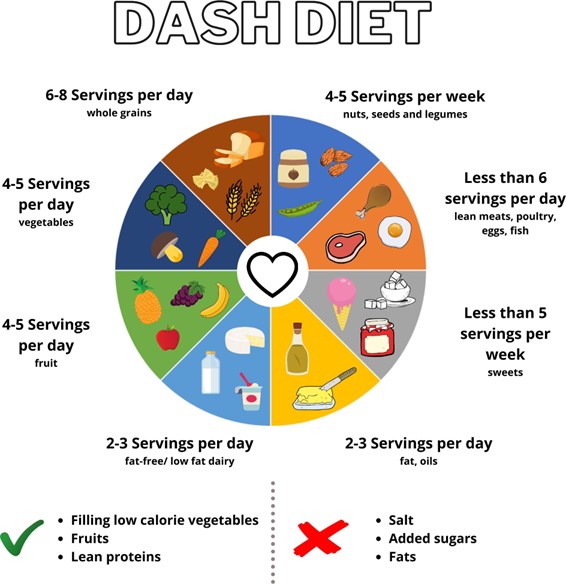
A nurse is providing teaching about the Dietary Approaches to Stop Hypertension (DASH) diet to a client who has hypertension. Which of the following instructions should the nurse include?
A. "Consume ten percent of total calories from saturated fat."
"Consume ten percent of total calories from saturated fat": The DASH diet recommends reducing the intake of saturated fat to improve heart health. The goal is to consume no more than 6% of total calories from saturated fat. Saturated fats are typically found in animal products, such as fatty cuts of meat, full-fat dairy products, and tropical oils like coconut and palm oil.
B. "Increase intake of refined carbohydrates."
"Increase intake of refined carbohydrates": The DASH diet encourages the consumption of whole grains rather than refined carbohydrates. Whole grains are rich in fiber and other nutrients, which can help lower blood pressure. Refined carbohydrates, on the other hand, can lead to spikes in blood sugar levels and are generally less nutritious.
C. "Limit sodium intake to 3,200 milligrams per day."
"Limit sodium intake to 3,200 milligrams per day": The DASH diet recommends reducing sodium intake to 2,300 milligrams per day or less. For individuals with hypertension or at risk for hypertension, including many clients with hypertension, further lowering sodium intake to 1,500 milligrams per day may be advised. Reducing sodium intake is important for blood pressure management.
D. "Consume foods that are high in calcium."
The DASH diet is a dietary approach specifically designed to lower blood pressure. It emphasizes consuming foods that are rich in nutrients like potassium, calcium, and magnesium while reducing the intake of saturated fat, cholesterol, and sodium. Calcium-rich foods are an important component of the DASH diet as they have been shown to have a beneficial effect on blood pressure. Good sources of dietary calcium include low-fat dairy products, fortified plant-based milk, leafy green vegetables, and calcium-fortified foods.
Full Explanation
The DASH diet is a dietary approach specifically designed to lower blood pressure. It emphasizes consuming foods that are rich in nutrients like potassium, calcium, and magnesium, while reducing the intake of saturated fat, cholesterol, and sodium. Calcium-rich foods are an important component of the DASH diet as they have been shown to have a beneficial effect on blood pressure. Good sources of dietary calcium include low-fat dairy products, fortified
plant-based milk, leafy green vegetables, and calcium-fortified foods.
"Consume ten percent of total calories from saturated fat": The DASH diet recommends reducing the intake of saturated fat to improve heart health. The goal is to consume no more than 6% of total calories from saturated fat. Saturated fats are typically found in animal products, such as fatty cuts of meat, full-fat dairy products, and tropical oils like coconut and palm oil.
"Increase intake of refined carbohydrates": The DASH diet encourages the consumption of whole grains rather than refined carbohydrates. Whole grains are rich in fiber and other nutrients, which can help lower blood pressure. Refined carbohydrates, on the other hand, can lead to spikes in blood sugar levels and are generally less nutritious.
"Limit sodium intake to 3,200 milligrams per day": The DASH diet recommends reducing sodium intake to 2,300 milligrams per day or less. For individuals with hypertension or at risk for hypertension, including many clients with hypertension, further lowering sodium intake to 1,500 milligrams per day may be advised. Reducing sodium intake is important for blood pressure management.