
Nursing practice questions with comprehensive rationales
NurseDive Free Nursing Practice Question
A nurse is caring for a client who is admitted to the medical-surgical unit. Client reports, "I'm bloated and my stomach hurts."
The nurse reviews the client's laboratory findings and vital signs.
Select the 5 findings that require immediate follow-up.
A. Heart rate.
The client’s heart rate is elevated at 118/min, which could indicate blood loss, dehydration, pain, anxiety, or infection. This finding requires immediate follow-up to assess the cause and intervene as needed.
B. Current medications.
The client is taking ibuprofen 800 mg three times daily PRN for arthritis pain. Ibuprofen is a nonsteroidal anti-inflammatory drug (NSAID) that can cause gastric irritation, ulceration, and bleeding. This finding requires immediate follow-up to evaluate the client’s pain level, medication use, and possible alternatives to NSAIDs.
C. Blood pressure.
The client’s blood pressure is low at 90/50 mm Hg, which could indicate hypovolemia, shock, or cardiac dysfunction. This finding requires immediate follow-up to monitor the client’s fluid status, perfusion, and organ function.
D. Stool results.
The client’s stool tested positive for occult blood and H. pylori bacteria. Occult blood indicates gastrointestinal bleeding, which could be related to the client’s abdominal pain and weight loss. H. pylori is a common cause of peptic ulcer disease, which can also cause bleeding and pain. This finding requires immediate follow-up to confirm the diagnosis and initiate treatment with antibiotics and acid-suppressing drugs.
E. Respiratory rate.
-
F. WBC count.
-
G. Temperature.
-
H. Hemoglobin and hematocrit.
The client’s hemoglobin and hematocrit are low at 9.1 g/dL and 27%, respectively. These values indicate anemia, which could be caused by chronic blood loss, nutritional deficiency, or bone marrow suppression. This finding requires immediate follow-up to determine the etiology and severity of the anemia and provide appropriate therapy such as blood transfusion, iron supplementation, or erythropoietin.
This question is an excerpt from Nurse Dive's nursing test bank - ATI Comprehensive Predictor 2023 Exit Proctored Exam A. Take the full exam now
Full Explanation
A, B, C, D, and H. Here is why:.
- A. Heart rate: The client’s heart rate is elevated at 118/min, which could indicate blood loss, dehydration, pain, anxiety, or infection. This finding requires immediate follow-up to assess the cause and intervene as needed.
- B. Current medications: The client is taking ibuprofen 800 mg three times daily PRN for arthritis pain. Ibuprofen is a nonsteroidal anti-inflammatory drug (NSAID) that can cause gastric irritation, ulceration, and bleeding. This finding requires immediate follow-up to evaluate the client’s pain level, medication use, and possible alternatives to NSAIDs.
- C. Blood pressure: The client’s blood pressure is low at 90/50 mm Hg, which could indicate hypovolemia, shock, or cardiac dysfunction. This finding requires immediate follow-up to monitor the client’s fluid status, perfusion, and organ function.
- D. Stool results: The client’s stool tested positive for occult blood and H. pylori bacteria. Occult blood indicates gastrointestinal bleeding, which could be related to the client’s abdominal pain and weight loss. H. pylori is a common cause of peptic ulcer disease, which can also cause bleeding and pain. This finding requires immediate follow-up to confirm the diagnosis and initiate treatment with antibiotics and acid-suppressing drugs.
- H. Hemoglobin and hematocrit: The client’s hemoglobin and hematocrit are low at 9.1 g/dL and 27%, respectively. These values indicate anemia, which could be caused by chronic blood loss, nutritional deficiency, or bone marrow suppression. This finding requires immediate follow-up to determine the etiology and severity of the anemia and provide appropriate therapy such as blood transfusion, iron supplementation, or erythropoietin.
The other findings are not as urgent as the ones above:.
- E. Respiratory rate: The client’s respiratory rate is normal at 18/min. There is no evidence of respiratory distress or hypoxia.
- F. WBC count: The client’s WBC count is normal at 6,700/mm3. There is no indication of infection or inflammation.
- G. Temperature: The client’s temperature is slightly elevated at 37.5° C (99.5° F), but not enough to warrant immediate concern. It could be due to stress, dehydration, or a mild infection. The nurse should monitor the temperature trend and report any significant changes or signs of sepsis.
Similar Questions
A nurse in an emergency department is caring for a client who has a closed head injury. Which of the following actions should the nurse take first?
A. Prepare the client for an MRl of the brain.
An MRI of the brain is not the first action to take for a client who has a closed head injury. An MRI may be indicated later to evaluate the extent of brain damage, but it is not an emergency procedure.
B. Administer mannitol IV bolus to the client.
Mannitol IV bolus is a medication that reduces intracranial pressure (ICP) by drawing fluid out of the brain tissue. However, mannitol should not be administered before confirming the presence and degree of increased ICP, which can be done by measuring the GCS score and other vital signs.
C. Determine the client's Glasgow Coma Scale score.
The Glasgow Coma Scale (GCS) is a tool to assess the level of consciousness and neurological status of a client who has a closed head injury. The GCS score can help guide the priority of interventions and the need for further diagnostic tests.
D. D insert an indwelling urinary catheter for the client.
Inserting an indwelling urinary catheter for the client is not the first action to take for a client who has a closed head injury. A urinary catheter may be needed to monitor fluid balance and renal function, but it is not an urgent intervention.
Full Explanation
The correct answer is choice C. Determine the client’s Glasgow Coma Scale score. This is because the Glasgow Coma Scale (GCS) is a tool to assess the level of consciousness and neurological status of a client who has a closed head injury. The GCS score can help guide the priority of interventions and the need for further diagnostic tests.
Choice A is wrong because an MRI of the brain is not the first action to take for a client who has a closed head injury. An MRI may be indicated later to evaluate the extent of brain damage, but it is not an emergency procedure.
Choice B is wrong because mannitol IV bolus is a medication that reduces intracranial pressure (ICP) by drawing fluid out of the brain tissue. However, mannitol should not be administered before confirming the presence and degree of increased ICP, which can be done by measuring the GCS score and other vital signs.
Choice D is wrong because inserting an indwelling urinary catheter for the client is not the first action to take for a client who has a closed head injury. A urinary catheter may be needed to monitor fluid balance and renal function, but it is not an urgent intervention.
A nurse in an emergency department is caring for a client.
The nurse is preparing to discharge the client. Which of the following statements by the client indicate an understanding of the discharge teaching?
Select all that apply.
A. "I will eat fish for dinner at least twice per week.".
This statement does not indicate an understanding of the discharge teaching because fish is a high-fat food that can aggravate pancreatitis. The client should eat a low-fat diet with no more than 30 grams of fat per day.
B. "I will limit my morning coffee to no more than two cups.".
This statement does not indicate an understanding of the discharge teaching because coffee is a caffeinated beverage that can stimulate the pancreas and worsen the inflammation. The client should avoid caffeine and alcohol.
C. "I will eat small, frequent meals.".
This statement indicates an understanding of the discharge teaching because eating small, frequent meals can help reduce the workload of the pancreas and prevent pain and nausea.
D. "I should expect my bowel movements to be pale in color".
Pale bowel movements can indicate a problem with bile flow, which is not a normal expectation for pancreatitis patients. This could suggest a complication that needs medical attention.
E. "I will notify my provider if my urine is dark.".
Dark urine can be a sign of dehydration or liver issues, which should be reported to a healthcare provider as it may indicate a complication.
Full Explanation
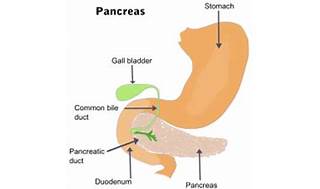
The correct answer is choice CDE.
Choice A rationale:
Eating fish for dinner at least twice per week is not specifically recommended for pancreatitis patients. A low-fat diet is generally advised, but the frequency of fish consumption is not a key point in discharge teaching.
Choice B rationale:
Limiting coffee intake is not a primary focus in pancreatitis discharge instructions. While caffeine can irritate the digestive system, the emphasis is more on avoiding alcohol and fatty foods.
Choice C rationale:
Eating small, frequent meals is recommended to avoid overloading the digestive system and to help manage symptoms of pancreatitis.
Choice D rationale:
Pale bowel movements can indicate a problem with bile flow, which is not a normal expectation for pancreatitis patients. This could suggest a complication that needs medical attention.
Choice E rationale:
Dark urine can be a sign of dehydration or liver issues, which should be reported to a healthcare provider as it may indicate a complication.
A nurse in an emergency department is caring for a client.
The nurse is providing teaching to the client about self-care. Select the 3 statements the nurse should include in the teaching.
A. "You can drink beverages that contain caffeine.".
Caffeine can stimulate the pancreas and increase pain and inflammation.
B. "You should eat foods that are low in fat.".
You should eat foods that are low in fat. A low-fat diet can help reduce the amount of digestive enzymes your pancreas releases and prevent further inflammation and pain.
C. "Notify your provider if you experience vomiting or diarrhea.".
Notify your provider if you experience vomiting or diarrhea. These symptoms can lead to dehydration and malnutrition, which can worsen your condition and require hospitalization.
D. "Limit alcohol intake to no more than one drink per day.".
Alcohol can damage the pancreas and trigger more attacks. People with chronic pancreatitis should avoid alcohol completely.
E. "You should eat foods high in protein.".
You should eat foods high in protein. Protein can help your body heal and repair damaged tissues. It can also prevent muscle wasting and weight loss, which are common complications of chronic pancreatitis.
Full Explanation
B, C, and E. The nurse should include the following statements in the teaching:.
-
- You should eat foods that are low in fat. A low-fat diet can help reduce the amount of digestive enzymes your pancreas releases and prevent further inflammation and pain.
- Notify your provider if you experience vomiting or diarrhea. These symptoms can lead to dehydration and malnutrition, which can worsen your condition and require hospitalization.
- You should eat foods high in protein. Protein can help your body heal and repair damaged tissues. It can also prevent muscle wasting and weight loss, which are common complications of chronic pancreatitis.
Choice A is wrong because caffeine can stimulate the pancreas and increase pain and inflammation. Choice D is wrong because alcohol can damage the pancreas and trigger more attacks. People with chronic pancreatitis should avoid alcohol completely.