
Nursing practice questions with comprehensive rationales
NurseDive Free Nursing Practice Question
A nurse is caring for a client who is agitated and threatening to harm others. The nurse places the client in restraints but does not notify the provider or obtain a prescription for the restraints. This situation represents which of the following torts?
A. Invasion of privacy
B. Negligence
C. Assault
D. Battery
E. False imprisonment
The correct answer is that this situation represents false imprisonment. False imprisonment is the unlawful restraint of an individual's freedom of movement. In this case, the nurse placed the client in restraints without obtaining a prescription from the provider or following proper protocol, which constitutes false imprisonment. Options a, b, c and d are not correct torts in this situation. Invasion of privacy, negligence, assault and battery are all legal terms that refer to different types of wrongdoing, but they do not apply to this specific scenario.
This question is an excerpt from Nurse Dive's nursing test bank - ATI RN Fundamentals 2019 with NGN - Proctored Exam 2. Take the full exam now
Full Explanation
The correct answer is that this situation represents false imprisonment. False imprisonment is the unlawful restraint of an individual's freedom of movement. In this case, the nurse placed the client in restraints without obtaining a prescription from the provider or following proper protocol, which constitutes false imprisonment.
Options a, b, c and d are not correct torts in this situation. Invasion of privacy, negligence, assault and battery are all legal terms that refer to different types of wrongdoing, but they do not apply to this specific scenario.
Similar Questions
A nurse is caring for a client who has a new diagnosis of a terminal illness. The client states, "I do not want any treatment. I would like to go home." Which of the following responses should the nurse make?
A. "I can refer you to hospice care, and they can help you at home."
The nurse should respect the client's autonomy and right to make decisions about their own care. Referring the client to hospice care is an appropriate response because it provides the client with support and care in their own home. Options b, c, and d are not appropriate responses because they do not respect the client's autonomy.
B. "You should discuss this with your family before making a decision."
Option b suggests that the client needs to discuss their decision with their family before making a decision, which may not be necessary or desired by the client.
C. "Do you understand that, without treatment, you will die?"
Option c confronts the client with the reality of their illness in a potentially insensitive manner.
D. "Don't you think you are giving up too soon?"
Option d suggests that the client is giving up too soon, which may not be an accurate or helpful assessment of the situation.
Full Explanation
The nurse should respect the client's autonomy and right to make decisions about their own care. Referring the client to hospice care is an appropriate response because it provides the client with support and care in their own home.
Options b, c, and d are not appropriate responses because they do not respect the client's autonomy.
Option b suggests that the client needs to discuss their decision with their family before making a decision, which may not be necessary or desired by the client.
Option c confronts the client with the reality of their illness in a potentially insensitive manner.
Option d suggests that the client is giving up too soon, which may not be an accurate or helpful assessment of the situation.
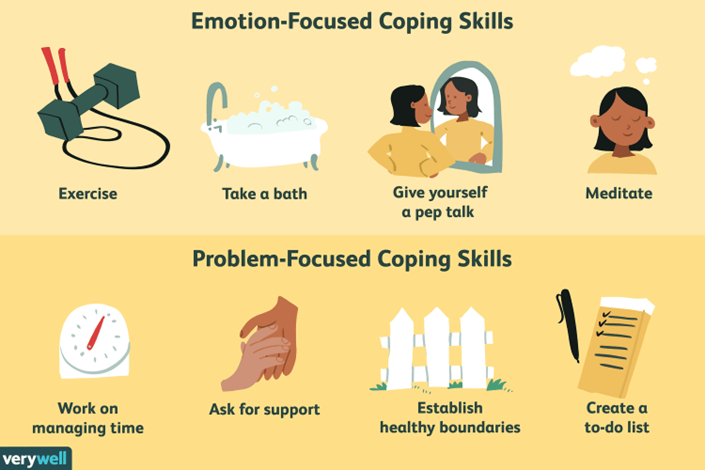
A nurse is caring for a client who has a new diagnosis of terminal cancer. Which of the following interventions is the priority?
A. Help the client to find a local support group.
B. Discuss the client's prior coping mechanisms.
The priority intervention for a client with a new diagnosis of terminal cancer is to discuss the client's prior coping mechanisms. This will help the nurse to understand how the client has coped with difficult situations in the past and to develop a plan of care that is tailored to the client's individual needs and preferences. Options a, c, and d are also important interventions, but they are not the priority. Helping the client to find a local support group, developing a list of goals with the client, and teaching the client to use progressive relaxation techniques can all be helpful in supporting the client's emotional well-being, but they should be implemented after the nurse has assessed the client's coping mechanisms and developed a plan of care.
C. Develop a list of goals with the client.
D. Teach the client to use progressive relaxation techniques.
E. Teach the client to use progressive relaxation techniques.
Full Explanation
The priority intervention for a client with a new diagnosis of terminal cancer is to discuss the client's prior coping mechanisms. This will help the nurse to understand how the client has coped with difficult situations in the past and to develop a plan of care that is tailored to the client's individual needs and preferences.
Options a, c, and d are also important interventions, but they are not the priority. Helping the client to find a local support group, developing a list of goals with the client, and teaching the client to use progressive relaxation techniques can all be helpful in supporting the client's emotional well-being, but they should be implemented after the nurse has assessed the client's coping mechanisms and developed a plan of care.
A nurse on a medical-surgical unit is caring for a client who reports difficulty sleeping at night. Which of the following findings should indicate to the nurse that the client has sleep deprivation?
A. Decreased judgment
Decreased judgment is a common sign of sleep deprivation. When a person is sleep deprived, their cognitive function can be impaired, leading to difficulty making decisions and exercising good judgment. Options b, c, and d are not necessarily indicative of sleep deprivation. Decreased activity can be a sign of many different conditions, including fatigue or depression. Increased reflexes and increased auditory alertness are not commonly associated with sleep deprivation.
B. Decreased activity
C. Increased reflexes
D. Increased auditory alertness
Full Explanation
Decreased judgment is a common sign of sleep deprivation. When a person is sleep deprived, their cognitive function can be impaired, leading to difficulty making decisions and exercising good judgment.
Options b, c, and d are not necessarily indicative of sleep deprivation. Decreased activity can be a sign of many different conditions, including fatigue or depression. Increased reflexes and increased auditory alertness are not commonly associated with sleep deprivation.