
Nursing practice questions with comprehensive rationales
NurseDive Free Nursing Practice Question
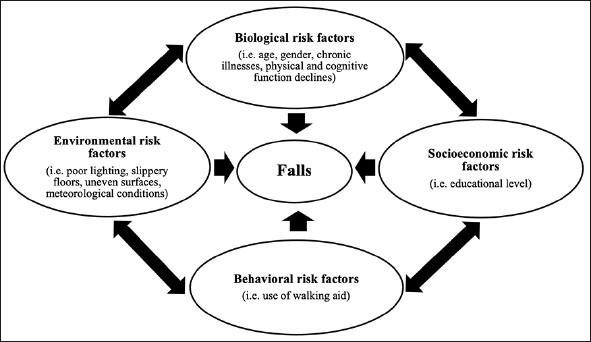
A nurse is caring for a client who is at risk for falls. Which of the following actions should the nurse take? (Select all that apply.)
A. Keep the client's bed in the lowest position.
Keeping the client's bed in the lowest position helps minimize the potential fall distance if the client attempts to get out of bed.
B. Assess the client every 4 hr.
Assessing the client every 4 hours is a good practice for general monitoring but may not be specific to fall prevention. More frequent assessments may be necessary for a client at high risk for falls.
C. Keep the client's room dark at night.
Keeping the client's room dark at night can actually increase the risk of falls. It's important to ensure there is adequate lighting to help the client navigate safely.
D. Teach the client to use the call light.
Teaching the client to use the call light allows them to request assistance when needed, reducing the likelihood of attempting to move or get out of bed independently.
E. Place a fall-risk identification band on the client's wrist.
Placing a fall-risk identification band on the client's wrist helps alert all healthcare providers that the client is at risk for falls. This information is crucial for ensuring appropriate precautions are taken.
This question is an excerpt from Nurse Dive's nursing test bank - RN Ati fundamental of nursing proctored exam. Take the full exam now
Full Explanation
A. Keeping the client's bed in the lowest position helps minimize the potential fall distance if the client attempts to get out of bed.
B. Assessing the client every 4 hours is a good practice for general monitoring but may not be specific to fall prevention. More frequent assessments may be necessary for a client at high risk for falls.
C. Keeping the client's room dark at night can actually increase the risk of falls. It's important to ensure there is adequate lighting to help the client navigate safely.
D. Teaching the client to use the call light allows them to request assistance when needed, reducing the likelihood of attempting to move or get out of bed independently.
E. Placing a fall-risk identification band on the client's wrist helps alert all healthcare providers that the client is at risk for falls. This information is crucial for ensuring appropriate precautions are taken.
Similar Questions
A nurse is planning home care for a 9-year-old child following an acute exacerbation of asthma.
Which of the following of Erikson's developmental stages should the nurse consider in the planning?
A. Initiative vs. guilt
Initiative vs. guilt primarily pertains to early childhood (around 3-6 years old) and focuses on developing a sense of purpose and the ability to initiate activities. It is not directly related to the situation of a 9-year-old child with asthma.
B. Autonomy vs. shame and doubt
Autonomy vs. shame and doubt is relevant for children aged 1 to 3 years. This stage focuses on children developing a sense of personal control over physical skills and a sense of independence, which is not directly relevant to a 9-year-old.
C. Identity vs. role confusion
Identity vs. role confusion is a stage that occurs in adolescence (around 12-18 years old). It involves the development of a sense of self and one's role in society. This is not directly relevant to the situation of a 9-year-old with asthma.
D. Industry vs. inferiority
Industry vs. inferiority is the stage for children aged 6 to 12 years, where they develop a sense of pride in their accomplishments and abilities. During this stage, children are learning to cope with new social and academic demands, making it essential for the nurse to consider the child's self-esteem and competence in managing their asthma and engaging in age-appropriate activities. This stage directly relates to the planning of home care for the 9-year-old child with asthma.
Full Explanation
A. Initiative vs. guilt is the developmental stage for children aged 3 to 6 years, where they begin to assert control and power over their environment. This stage is not applicable for a 9-year-old child.
B. Autonomy vs. shame and doubt is relevant for children aged 1 to 3 years. This stage focuses on children developing a sense of personal control over physical skills and a sense of independence, which is not directly relevant to a 9-year-old.
C. Identity vs. role confusion typically applies to adolescents aged 12 to 18 years, where individuals explore their independence and develop a sense of self and personal identity, making it less relevant for a 9-year-old child.
D. Industry vs. inferiority is the stage for children aged 6 to 12 years, where they develop a sense of pride in their accomplishments and abilities. During this stage, children are learning to cope with new social and academic demands, making it essential for the nurse to consider the child's self-esteem and competence in managing their asthma and engaging in age-appropriate activities. This stage directly relates to the planning of home care for the 9-year-old child with asthma.
A nurse is providing hygiene care for a client who is immobile. Which of the following actions should the nurse take? (Select all that apply.)
A. Wash the client's extremities from proximal to distal.
Washing the client's extremities from proximal to distal is a good practice, but it is not specifically related to caring for an immobile client.
B. Check for personal items when changing the bed linens.
Checking for personal items when changing the bed linens is important to ensure that the client's belongings are not lost or misplaced during the process.
C. Shave the client's hair in the direction of the hair growth.
Shaving the client's hair in the direction of hair growth helps prevent skin irritation and ingrown hairs.
D. Place a clean gown on the strongest arm first.
The gown should be placed on the weaker arm first.
E. Keep the bath water temperature between between 43.3 C (110F) and 46.1 C (115F)
This is an appropriate temperature that can help client remain comfortable.
Full Explanation
A. Washing the client's extremities from proximal to distal is a good practice, but it is not specifically related to caring for an immobile client.
B. Checking for personal items when changing the bed linens is important to ensure that the client's belongings are not lost or misplaced during the process.
C. Shaving the client's hair in the direction of hair growth helps prevent skin irritation and ingrown hairs.
D. The gown should be placed on the weaker arm first.
E. This is an appropriate temperature that can help client remain comfortable.
A nurse is working with a team of nursing personnel within a facility. Which of the following are necessary task performance roles that members of the group or the leader must perform? (Select all that apply.)
A. Coordinator
Coordinator: This role involves organizing and integrating the group's activities to achieve the goals effectively. The coordinator helps ensure that tasks are assigned, deadlines are met, and resources are utilized efficiently.
B. Self-confessor
Self-confessor: This role involves expressing personal feelings, thoughts, or concerns.While open communication is important in a team, this role may not always be considered a "necessary task performance role" in the same sense as the others listed. It's more about interpersonal communication rather than task-related functions.
C. Evaluator
Evaluator: This role involves assessing the group's progress toward its goals and providing feedback on performance. The evaluator helps the group identify areas for improvement and make necessary adjustments.
D. Energizer
Energizer: This role involves motivating and energizing the group members tomaintain their enthusiasm and commitment to the task at hand. The energizer helps boost morale and keeps the group focused on achieving its objectives.
Full Explanation
A. Coordinator: This role involves organizing and integrating the group's activities to achieve the goals effectively. The coordinator helps ensure that tasks are assigned, deadlines are met, and resources are utilized efficiently.
B. Self-confessor: This role involves expressing personal feelings, thoughts, or concerns.
While open communication is important in a team, this role may not always be considered a "necessary task performance role" in the same sense as the others listed. It's more about interpersonal communication rather than task-related functions.
C. Evaluator: This role involves assessing the group's progress toward its goals and providing feedback on performance. The evaluator helps the group identify areas for improvement and make necessary adjustments.
D. Energizer: This role involves motivating and energizing the group members to
maintain their enthusiasm and commitment to the task at hand. The energizer helps boost morale and keeps the group focused on achieving its objectives.