
Nursing practice questions with comprehensive rationales
NurseDive Free Nursing Practice Question
A nurse is caring for a client who is experiencing an acute exacerbation of ulcerative colitis. The nurse should recognize that which of the following actions is the priority?
A. Provide emotional support.
Choice A reason: Providing emotional support is important for a client who has ulcerative colitis, as the condition can affect their quality of life and mental health. However, this is not the priority action for a nurse who is caring for a client who is experiencing an acute exacerbation of ulcerative colitis, as it does not address the immediate physical needs of the client.
B. Evaluate fluid and electrolyte levels.
Choice B reason: Evaluating fluid and electrolyte levels is the priority action for a nurse who is caring for a client who is experiencing an acute exacerbation of ulcerative colitis, as the client is at risk of dehydration, hypovolemia, and electrolyte imbalances due to diarrhea, vomiting, and poor oral intake. The nurse should monitor the client’s vital signs, urine output, weight, skin turgor, mucous membranes, and laboratory values such as serum sodium, potassium, chloride, bicarbonate, blood urea nitrogen (BUN), and creatinine.
C. Promote physical mobility.
Choice C reason: Promoting physical mobility is beneficial for a client who has ulcerative colitis, as it can help prevent complications such as deep vein thrombosis (DVT), pulmonary embolism (PE), and pressure ulcers. However, this is not the priority action for a nurse who is caring for a client who is experiencing an acute exacerbation of ulcerative colitis, as the client may have abdominal pain, fatigue, and weakness that limit their mobility. The nurse should encourage rest and provide comfort measures such as positioning, heat therapy, and analgesics.
D. Review stress factors that can cause disease exacerbation
Choice D reason: Reviewing stress factors that can cause disease exacerbation is helpful for a client who has ulcerative colitis, as stress can trigger or worsen inflammation in the bowel. However, this is not the priority action for a nurse who is caring for a client who is experiencing an acute exacerbation of ulcerative colitis, as it does not address the immediate physical needs of the client. The nurse should teach the client about stress management techniques and refer them to appropriate resources such as counseling or support groups.
This question is an excerpt from Nurse Dive's nursing test bank - ATI Monroe College NY PN 23NS SP 126 Proctored Exam 3. Take the full exam now
Full Explanation
Choice A reason: Providing emotional support is important for a client who has ulcerative colitis, as the condition can affect their quality of life and mental health. However, this is not the priority action for a nurse who is caring for a client who is experiencing an acute exacerbation of ulcerative colitis, as it does not address the immediate physical needs of the client.
Choice B reason: Evaluating fluid and electrolyte levels is the priority action for a nurse who is caring for a client who is experiencing an acute exacerbation of ulcerative colitis, as the client is at risk of dehydration, hypovolemia, and electrolyte imbalances due to diarrhea, vomiting, and poor oral intake. The nurse should monitor the client’s vital signs, urine output, weight, skin turgor, mucous membranes, and laboratory values such as serum sodium, potassium, chloride, bicarbonate, blood urea nitrogen (BUN), and creatinine.
Choice C reason: Promoting physical mobility is beneficial for a client who has ulcerative colitis, as it can help prevent complications such as deep vein thrombosis (DVT), pulmonary embolism (PE), and pressure ulcers. However, this is not the priority action for a nurse who is caring for a client who is experiencing an acute exacerbation of ulcerative colitis, as the client may have abdominal pain, fatigue, and weakness that limit their mobility. The nurse should encourage rest and provide comfort measures such as positioning, heat therapy, and analgesics.
Choice D reason: Reviewing stress factors that can cause disease exacerbation is helpful for a client who has ulcerative colitis, as stress can trigger or worsen inflammation in the bowel. However, this is not the priority action for a nurse who is caring for a client who is experiencing an acute exacerbation of ulcerative colitis, as it does not address the immediate physical needs of the client. The nurse should teach the client about stress management techniques and refer them to appropriate resources such as counseling or support groups.
Similar Questions
A nurse is collecting data on a client who has acute pancreatitis. Which of the following factors should the nurse anticipate in the client’s history?
A. Shock
Choice A reason: Shock is not a cause of acute pancreatitis, but a possible complication of severe cases that can lead to organ failure and death.
B. Gallstones
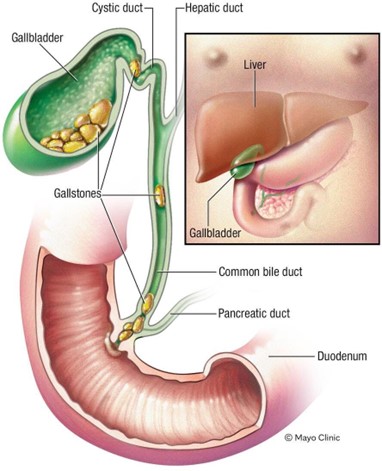
Choice B reason: Gallstones are one of the major causes of acute pancreatitis, as they can block the pancreatic duct and prevent the flow of digestive enzymes, leading to inflammation and damage of the pancreas.
C. Diabetes mellitus
Choice C reason: Diabetes mellitus is not a cause of acute pancreatitis, but a possible complication of chronic pancreatitis, as the damage to the pancreas can impair its ability to produce insulin and regulate blood sugar levels.
D. GERD
Choice D reason: GERD (gastroesophageal reflux disease) is not a cause of acute pancreatitis, but a condition that affects the lower esophageal sphincter and allows stomach acid to reflux into the esophagus, causing heartburn and other symptoms.
Full Explanation
Choice A reason: Shock is not a cause of acute pancreatitis, but a possible complication of severe cases that can lead to organ failure and death.
Choice B reason: Gallstones are one of the major causes of acute pancreatitis, as they can block the pancreatic duct and prevent the flow of digestive enzymes, leading to inflammation and damage of the pancreas.
Choice C reason: Diabetes mellitus is not a cause of acute pancreatitis, but a possible complication of chronic pancreatitis, as the damage to the pancreas can impair its ability to produce insulin and regulate blood sugar levels.
Choice D reason: GERD (gastroesophageal reflux disease) is not a cause of acute pancreatitis, but a condition that affects the lower esophageal sphincter and allows stomach acid to reflux into the esophagus, causing heartburn and other symptoms.
A nurse is assisting in the plan of care for a client who had surgery for a bowel obstruction. The client has a nasogastric tube in place. Which of the following actions should the nurse include in the client’s plan of care? (Select all that apply).
A. Document the color, consistency, and amount of nasogastric drainage.
Choice A reason: Documenting the color, consistency, and amount of nasogastric drainage is an important action for the nurse to include in the client’s plan of care. This can help monitor the client’s GI function, fluid balance, and response to treatment. The normal color of nasogastric drainage is clear or yellow-green. Abnormal colors include red, brown, or black, which may indicate bleeding.
B. Encourage hourly use of an incentive spirometer while awake.
Choice B reason: Encouraging hourly use of an incentive spirometer while awake is an important action for the nurse to include in the client’s plan of care. This can help prevent respiratory complications, such as atelectasis and pneumonia, which are common after abdominal surgery. An incentive spirometer is a device that helps the client breathe deeply and expand the lungs.
C. Irrigate the nasogastric tube every 4 to 8 hr.
Choice C reason: Irrigating the nasogastric tube every 4 to 8 hr is not an action that the nurse should include in the client’s plan of care. Routine irrigation of nasogastric tubes is not recommended, as it may increase the risk of infection, tube occlusion, or aspiration. Irrigation should only be done when indicated by specific orders or protocols, or when there is evidence of tube blockage.
D. Perform leg exercises every 2 hr.
Choice D reason: Performing leg exercises every 2 hr is an important action for the nurse to include in the client’s plan of care. This can help prevent venous thromboembolism (VTE), which is a serious complication that can occur after surgery due to immobility and hypercoagulability. Leg exercises can improve blood circulation and reduce stasis in the lower extremities.
Full Explanation
Choice A reason: Documenting the color, consistency, and amount of nasogastric drainage is an important action for the nurse to include in the client’s plan of care. This can help monitor the client’s GI function, fluid balance, and response to treatment. The normal color of nasogastric drainage is clear or yellow-green. Abnormal colors include red, brown, or black, which may indicate bleeding.
Choice B reason: Encouraging hourly use of an incentive spirometer while awake is an important action for the nurse to include in the client’s plan of care. This can help prevent respiratory complications, such as atelectasis and pneumonia, which are common after abdominal surgery. An incentive spirometer is a device that helps the client breathe deeply and expand the lungs.
Choice C reason: Irrigating the nasogastric tube every 4 to 8 hr is not an action that the nurse should include in the client’s plan of care. Routine irrigation of nasogastric tubes is not recommended, as it may increase the risk of infection, tube occlusion, or aspiration. Irrigation should only be done when indicated by specific orders or protocols, or when there is evidence of tube blockage.
Choice D reason: Performing leg exercises every 2 hr is an important action for the nurse to include in the client’s plan of care. This can help prevent venous thromboembolism (VTE), which is a serious complication that can occur after surgery due to immobility and hypercoagulability. Leg exercises can improve blood circulation and reduce stasis in the lower extremities.
A nurse is reinforcing teaching with a client who has type 2 diabetes mellitus. The nurse determines that teaching has been effective when the client identifies which of the following manifestations of hypoglycemia? (Select all that apply.)
A. Tachycardia
Choice A reason: Tachycardia is a common symptom of hypoglycemia, as the body releases adrenaline and other hormones to raise the blood sugar level. This can cause the heart to beat faster and stronger.
B. Blurry vision
Choice B reason: Blurry vision is a common symptom of hypoglycemia, as low blood sugar can affect the ability of the eyes to focus and see clearly. This can also cause headaches, dizziness, or double vision.
C. Sweating
Choice C reason: Sweating is a common symptom of hypoglycemia, as the body tries to cool down and cope with the stress of low blood sugar. This can also cause shakiness, trembling, or tingling in the lips, tongue, or cheek.
D. Polydipsia
Choice D reason: Polydipsia (excessive thirst) is not a symptom of hypoglycemia, but a symptom of hyperglycemia (high blood sugar). High blood sugar can cause dehydration and dry mouth, which make the person feel thirsty.
E. Polyuria
Choice E reason: Polyuria (excessive urination) is not a symptom of hypoglycemia, but a symptom of hyperglycemia (high blood sugar). High blood sugar can cause the kidneys to filter out excess glucose and water from the blood, which make the person urinate more often.
Full Explanation
Choice A reason: Tachycardia is a common symptom of hypoglycemia, as the body releases adrenaline and other hormones to raise the blood sugar level. This can cause the heart to beat faster and stronger.
Choice B reason: Blurry vision is a common symptom of hypoglycemia, as low blood sugar can affect the ability of the eyes to focus and see clearly. This can also cause headaches, dizziness, or double vision.
Choice C reason: Sweating is a common symptom of hypoglycemia, as the body tries to cool down and cope with the stress of low blood sugar. This can also cause shakiness, trembling, or tingling in the lips, tongue, or cheek.
Choice D reason: Polydipsia (excessive thirst) is not a symptom of hypoglycemia, but a symptom of hyperglycemia (high blood sugar). High blood sugar can cause dehydration and dry mouth, which make the person feel thirsty.
Choice E reason: Polyuria (excessive urination) is not a symptom of hypoglycemia, but a symptom of hyperglycemia (high blood sugar). High blood sugar can cause the kidneys to filter out excess glucose and water from the blood, which make the person urinate more often.