
Nursing practice questions with comprehensive rationales
NurseDive Free Nursing Practice Question
A nurse is caring for a client who is hospitalized and says to the nurse, "My partner called and told me my boss hired someone to take my place." Which of the following responses should the nurse make?
A. "There really isn't much you can do about that until you are discharged."
"There really isn't much you can do about that until you are discharged." - This response dismisses the client's feelings and does not offer any support.
B. "You should call your boss and ask if you can have your job back."
This response is directive and may not address the client's emotional needs.
C. You must feel very concerned and disappointed by that information."
This response shows empathy and acknowledges the client's feelings without making judgments or offering solutions. It validates the client's emotions and opens up a supportive space for further discussion.
D. "I don't understand why your partner would upset you with news like that."
This response may be perceived as judgmental and does not show empathy or understanding.
This question is an excerpt from Nurse Dive's nursing test bank - ATI Mental Health Proctored Exam. Take the full exam now
Full Explanation
A. "There really isn't much you can do about that until you are discharged." - This response dismisses the client's feelings and does not offer any support.
B. "You should call your boss and ask if you can have your job back." - This response is directive and may not address the client's emotional needs.
C. "You must feel very concerned and disappointed by that information."
This response shows empathy and acknowledges the client's feelings without making judgments or offering solutions. It validates the client's emotions and opens up a supportive space for further discussion.
D. "I don't understand why your partner would upset you with news like that." - This response may be perceived as judgmental and does not show empathy or understanding.
Similar Questions
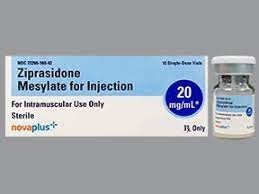
A nurse is preparing to administer ziprasidone 10 mg IM every 6 hr. Available is ziprasidone 20 mg/mL. How many mL should the nurse administer per dose? (Round the answer to the nearest tenth. Use a leading zero if it applies. Do not use a trailing zero.)
Full Explanation
To calculate the amount of ziprasidone 10 mg IM from the available concentration of 20 mg/mL, you can use the formula:
Amount (mL) = Desired Dose (mg) / Concentration (mg/mL)
Amount (mL) = 10 mg / 20 mg/mL
Amount (Ml) = 0.5 mL
Therefore, the nurse should administer 0.5 mL of ziprasidone per dose.
A nurse is caring for an adolescent who has a history of violent behavior and has asked the nurse to keep confidential information about he desire to kill several classmates and a school teacher. Which of the following responses by the nurse is appropriate to give?
A. "I can see that you trust me, but you should share those feelings with your psychiatrist, not me."
"I can see that you trust me, but you should share those feelings with your psychiatrist, not me."While encouraging the client to discuss their feelings with a mental health professional is important, this response does not address the immediate safety concern presented by the client's intent to harm others.
B. I will not violate our nurse-client relationship. The information we discuss will remain confidential between us."
"I will not violate our nurse-client relationship. The information we discuss will remain confidential between us."This response is inappropriate because it implies that the nurse will keep the information confidential, even though the client's statement raises concerns about the safety of others.
C. "Because you are a minor, I have to share any information that I feel is important with your parents."
"Because you are a minor, I have to share any information that I feel is important with your parents."While parents may have the right to be informed about their minor child's well-being, this situation goes beyond parental involvement. The nature of the threat requires immediate intervention from appropriate professionals and authorities. "D. I cannot promise that. I must share this information with other members of the team who are responsible for planning your care." Explanation: The client's statement about having a desire to harm others, especially classmates and a school teacher, raises significant concerns about the safety and well-being of not only the client but also the potential victims. In cases where the client poses a risk of harm to themselves or others, the nurse has a duty to breach confidentiality to ensure the safety of all involved parties. This response conveys the nurse's ethical obligation to involve other members of the treatment team and appropriate authorities to address the potential threat.
D. "I cannot promise that. I must share this information with other members of the team who are responsible for planning your care,"
Full Explanation
A. "I can see that you trust me, but you should share those feelings with your psychiatrist, not me."
While encouraging the client to discuss their feelings with a mental health professional is important, this response does not address the immediate safety concern presented by the client's intent to harm others.
B. "I will not violate our nurse-client relationship. The information we discuss will remain confidential between us."
This response is inappropriate because it implies that the nurse will keep the information confidential, even though the client's statement raises concerns about the safety of others.
C. "Because you are a minor, I have to share any information that I feel is important with your parents."
While parents may have the right to be informed about their minor child's well-being, this situation goes beyond parental involvement. The nature of the threat requires immediate intervention from appropriate professionals and authorities.
"D. I cannot promise that. I must share this information with other members of the team who are responsible for planning your care."
Explanation: The client's statement about having a desire to harm others, especially classmates and a school teacher, raises significant concerns about the safety and well-being of not only the client but also the potential victims. In cases where the client poses a risk of harm to themselves or others, the nurse has a duty to breach confidentiality to ensure the safety of all involved parties. This response conveys the nurse's ethical obligation to involve other members of the treatment team and appropriate authorities to address the potential threat.
A nurse is Laring for a client whose partner is requesting to bring the client food from home that is not allowed in the client's dietary plan. Which of the following responses should the nurse make?
A. "Let's try to find ways to incorporate your partner's favorite food into her diet plan."
"Let's try to find ways to incorporate your partner's favorite food into her diet plan."While it's important to consider the client's preferences, dietary restrictions are often in place for specific health reasons. Trying to incorporate forbidden foods into the diet plan might compromise the client's health and recovery.
B. "Why would you want to put your partner's health at further risk?"
"Why would you want to put your partner's health at further risk?"This response is confrontational and may not foster a productive conversation with the partner. It's important to address the situation professionally and collaboratively.
C. "Everyone likes food from home, but it can delay your partner's recovery."
"Everyone likes food from home, but it can delay your partner's recovery."While this response acknowledges the partner's feelings, it's essential to communicate more directly about involving the healthcare provider in decisions about the client's diet."D. You will need to discuss your concerns about your partner's diet with the provider." Explanation: In matters involving a client's dietary plan and health, it's important to involve the healthcare provider to make informed decisions. The nurse should guide the partner to communicate their concerns with the provider who has the authority to evaluate the situation, consider the dietary restrictions, and make a decision that aligns with the client's health and recovery.
D. "You will need to discuss your concerns about your partner's diet with the provider."
Full Explanation
A. "Let's try to find ways to incorporate your partner's favorite food into her diet plan."
While it's important to consider the client's preferences, dietary restrictions are often in place for specific health reasons. Trying to incorporate forbidden foods into the diet plan might compromise the client's health and recovery.
B. "Why would you want to put your partner's health at further risk?"
This response is confrontational and may not foster a productive conversation with the partner. It's important to address the situation professionally and collaboratively.
C. "Everyone likes food from home, but it can delay your partner's recovery."
While this response acknowledges the partner's feelings, it's essential to communicate more directly about involving the healthcare provider in decisions about the client's diet.
"D. You will need to discuss your concerns about your partner's diet with the provider."
Explanation: In matters involving a client's dietary plan and health, it's important to involve the healthcare provider to make informed decisions. The nurse should guide the partner to communicate their concerns with the provider who has the authority to evaluate the situation, consider the dietary restrictions, and make a decision that aligns with the client's health and recovery.