
Nursing practice questions with comprehensive rationales
NurseDive Free Nursing Practice Question
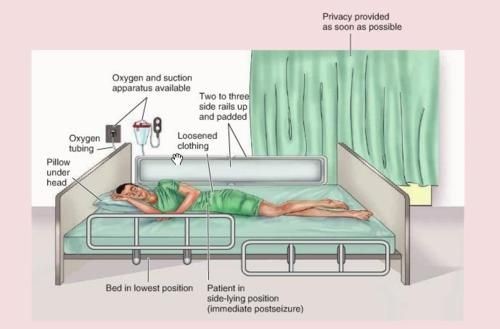
A nurse is caring for a client who is in bed and begins experiencing a tonic-clonic seizure.
Which of the following actions should the nurse take?
- Lower the side rails of the bed when the seizure begins.
- Measure the duration of the seizure.
- Restrain the client's arms and legs to prevent injury.
Insert an oral airway into the client's mouth.
A. Lower the side rails of the bed when the seizure begins.
Lowering the side rails of the bed could lead to the client falling from the bed. Instead raise the side rails and place padding on them.
B. Measure the duration of the seizure.
Measuring the seizure duration is a crucial step for medical evaluation afterwards necessary for determining intervention.
C. Restrain the client's arms and legs to prevent injury.
Restraining a person during a seizure can increase the risk of injury and may impede their ability to move or protect themselves during the seizure.
D. Insert an oral airway into the client's mouth.
Inserting an oral airway into the client's mouth is not indicated during a tonic-clonic seizure. It is generally not recommended to place any objects or devices into the mouth of a person having a seizure, as it can potentially cause injury to the person or damage to the airway.
This question is an excerpt from Nurse Dive's nursing test bank - ATI PN Comprehensive Predictor 2023 - Proctored Exam 1. Take the full exam now
Full Explanation
Lowering the side rails of the bed could lead to the client falling from the bed. Instead raise the side rails and place padding on them.
Measuring the seizure duration is a crucial step for medical evaluation afterwards necessary for determining intervention.
Inserting an oral airway into the client's mouth is not indicated during a tonic-clonic seizure. It is generally not recommended to place any objects or devices into the mouth of a person having a seizure, as it can potentially cause injury to the person or damage to the airway.
Similar Questions
A nurse is reinforcing teaching with a client who has a new prescription for epinephrine auto-injector PRN. The nurse should reinforce with the client that the medication can help treat which of the following manifestations?
A. Nausea
B. Hyperglycemia
C. Hand tremors
D. Shortness of breath
Full Explanation
Epinephrine is a medication commonly used to treat severe allergic reactions, also known as anaphylaxis. One of the hallmark signs of anaphylaxis is difficulty breathing or shortness of breath. Epinephrine works by constricting blood vessels, relaxing smooth muscles in the airways, and reducing swelling, which can help relieve the symptoms of respiratory distress. Epinephrine is not typically used to treat nausea, hyperglycemia, or hand tremors.
Nausea can be caused by various factors and is usually managed with antiemetic medications. Hyperglycemia, which refers to high blood sugar levels, is typically managed with appropriate diabetes management, including insulin or other glucose-lowering medications. Hand tremors can have different underlying causes, and their treatment depends on the specific etiology.
A nurse is collecting data from a child who has pertussis. Which of the following manifestations should the nurse expect?
A. Beefy, red tongue
B. Facial erythema
C. Fever
D. Peeling of the hands and feet
Full Explanation
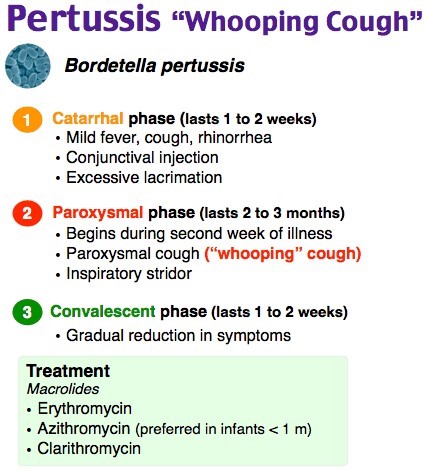
When collecting data from a child with pertussis (whooping cough), the nurse should expect the following manifestations:
- Paroxysmal cough: The hallmark symptom of pertussis is a severe, uncontrollable cough that often occurs in bursts (paroxysms) followed by a characteristic "whooping" sound as the child inhales.
- Posttussive vomiting: The coughing spells can be so severe that they may lead to vomiting.
- Inspiratory whoop: As mentioned earlier, during the inhalation phase after a coughing episode, the child may make a distinctive whooping sound.
- Cyanosis: The prolonged coughing episodes can sometimes cause the child's face to turn blue (cyanosis) due to inadequate oxygen intake.
- Fatigue and exhaustion: The frequent and intense coughing episodes can be exhausting for the child, leading to fatigue and sleep disturbances.
Other possible manifestations of pertussis can include a mild fever, runny nose, and sneezing. However, these symptoms are less specific to pertussis and can be seen in other respiratory infections as well.
The manifestations listed in the question (beefy, red tongue; facial erythema; peeling of the hands and feet) are not typically associated with pertussis and may be indicative of other conditions or diseases. It is important to consult a healthcare provider for a proper evaluation and diagnosis.
A nurse is reinforcing teaching with the parents of a child who has ADHD and is taking methylphenidate. Which of the following statements by the parents indicates that the medication is effective?
A. "Our child is able to complete his homework on time
ADHD (Attention-Deficit/Hyperactivity Disorder) is characterized by symptoms such as difficulty sustaining attention, impulsivity, and hyperactivity. Methylphenidate is a commonly prescribed medication for ADHD that helps improve focus, attention, and impulse control. The ability to complete homework on time suggests improved focus and attention, which are positive effects of methylphenidate in managing ADHD symptoms. It indicates that the medication is helping the child stay on task and concentrate better, leading to improved academic performance.
B. “Our child has lost some weight since his last appointment."
"Our child has lost some weight since his last appointment" suggests a potential side effect of methylphenidate, which can cause appetite suppression and weight loss.
C. “Our child has increased his daily caloric intake."
"Our child has increased his daily caloric intake" might be a response to the weight loss side effect, but it does not directly indicate the effectiveness of the medication.
D. "Our child has a better grasp of reality"
"Our child has a better grasp of reality" is a subjective statement that does not specifically relate to ADHD symptoms or the expected effects of methylphenidate.
Full Explanation
ADHD (Attention-Deficit/Hyperactivity Disorder) is characterized by symptoms such as difficulty sustaining attention, impulsivity, and hyperactivity. Methylphenidate is a commonly prescribed medication for ADHD that helps improve focus, attention, and impulse control.
The ability to complete homework on time suggests improved focus and attention, which are positive effects of methylphenidate in managing ADHD symptoms. It indicates that the medication is helping the child stay on task and concentrate better, leading to improved academic performance.
"Our child has lost some weight since his last appointment" suggests a potential side effect of methylphenidate, which can cause appetite suppression and weight loss.
"Our child has increased his daily caloric intake" might be a response to the weight loss side effect, but it does not directly indicate the effectiveness of the medication.
"Our child has a better grasp of reality" is a subjective statement that does not specifically relate to ADHD symptoms or the expected effects of methylphenidate.