
Nursing practice questions with comprehensive rationales
NurseDive Free Nursing Practice Question
A nurse is caring for a client who is receiving a blood transfusion.
The nurse observes that the client has bounding peripheral pulses, hypertension, and distended jugular veins.
The nurse should anticipate administering which of the following prescribed medications?
A. Diphenhydramine.
Choice A is incorrect because diphenhydramine is an antihistamine medication that is not used to treat fluid overload.
B. Furosemide.
“Furosemide.” The nurse should anticipate administering furosemide because the client’s symptoms of bounding peripheral pulses, hypertension, and distended jugular veins may indicate fluid overload. Furosemide is a diuretic medication that can help reduce fluid overload by increasing urine output.
C. Acetaminophen.
Choice C is incorrect because acetaminophen is a pain reliever and fever reducer that is not used to treat fluid overload.
D. Pantoprazole.
Choice D is incorrect because pantoprazole is a proton pump inhibitor that is used to treat acid reflux and stomach ulcers, not fluid overload.
This question is an excerpt from Nurse Dive's nursing test bank - ATI Adult Medical Surgical 2019 Proctored Exam. Take the full exam now
Full Explanation
“Furosemide.” The nurse should anticipate administering furosemide because the client’s symptoms of bounding peripheral pulses, hypertension, and distended jugular veins may indicate fluid overload.
Furosemide is a diuretic medication that can help reduce fluid overload by increasing urine output.
Choice A is incorrect because diphenhydramine is an antihistamine medication that is not used to treat fluid overload.
Choice C is incorrect because acetaminophen is a pain reliever and fever reducer that is not used to treat fluid overload.
Choice D is incorrect because pantoprazole is a proton pump inhibitor that is used to treat acid reflux and stomach ulcers, not fluid overload.
Similar Questions
A nurse is completing an assessment of an older adult client and notes reddened areas over the bony prominences, but the client's skin is intact.
Which of the following interventions should the nurse include in the plan of care?
A. Apply an occlusive dressing.
Choice A is incorrect because applying an occlusive dressing to intact skin over bony prominences is not an appropriate intervention for preventing pressure injuries.
B. Turn and reposition the client every 4 hr.
Choice B is incorrect because turning and repositioning the client every 4 hours may not be frequent enough to prevent the development of pressure injuries. The client should be turned and repositioned more frequently, at least every 2 hours.
C. Support bony prominences with pillows.
The nurse should include this intervention in the plan of care because it can help relieve pressure on the reddened areas over the client’s bony prominences and prevent the development of pressure injuries.
D. Massage the reddened areas three times daily.
Choice D is incorrect because massaging reddened areas over bony prominences is not recommended as it can cause further damage to the skin and underlying tissues.
Full Explanation
The nurse should include this intervention in the plan of care because it can help relieve pressure on the reddened areas over the client’s bony prominences and prevent the development of pressure injuries.
Choice A is incorrect because applying an occlusive dressing to intact skin over bony prominences is not an appropriate intervention for preventing pressure injuries.
Choice B is incorrect because turning and repositioning the client every 4 hours may not be frequent enough to prevent the development of pressure injuries.
The client should be turned and repositioned more frequently, at least every 2 hours.
Choice D is incorrect because massaging reddened areas over bony prominences is not recommended as it can cause further damage to the skin and underlying tissues.
A nurse is caring for a client admitted with a skull fracture.
Which of the following assessment findings should be of greatest concern to the nurse?
A. Glasgow Coma Scale score changes from 14 to 9.
A decrease in the Glasgow Coma Scale (GCS) score indicates a decline in the client’s level of consciousness and neurological function. This can be a sign of increased intracranial pressure or other complications related to the skull fracture.
B. WBC count changes from 9,000 to 16,000/mm.
Choice B is incorrect because an increase in WBC count may indicate an infection, but it is not as concerning as a decrease in GCS score.
C. Pulse pressure changes from 30 to 20 mm Hg.
Choice C is incorrect because a change in pulse pressure may indicate changes in cardiovascular function, but it is not as concerning as a decrease in GCS score.
D. Bilateral pupil diameter changes from 4 to 2 mm.
Choice D is incorrect because a change in pupil diameter may indicate changes in neurological function, but it is not as concerning as a decrease in GCS score.
Full Explanation
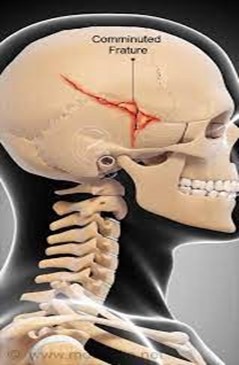
A decrease in the Glasgow Coma Scale (GCS) score indicates a decline in the client’s level of consciousness and neurological function.
This can be a sign of increased intracranial pressure or other complications related to the skull fracture.
Choice B is incorrect because an increase in WBC count may indicate an infection, but it is not as concerning as a decrease in GCS score.
Choice C is incorrect because a change in pulse pressure may indicate changes in cardiovascular function, but it is not as concerning as a decrease in GCS score.
Choice D is incorrect because a change in pupil diameter may indicate changes in neurological function, but it is not as concerning as a decrease in GCS score.
A nurse is reviewing a cardiac rhythm strip of a client who has atrial flutter.
Which of the following findings should the nurse expect?
A. Progressively longer PR durations.
Choice A is incorrect because progressively longer PR durations are characteristic of a Mobitz type I second-degree AV block, not atrial flutter.
B. Undetectable P waves.
Choice B is incorrect because undetectable P waves are characteristic of atrial fibrillation, not atrial flutter.
C. A saw-tooth pattern with an atrial rate of 250 to 400/min.
A saw-tooth pattern with an atrial rate of 250 to 400/min is a characteristic finding on a cardiac rhythm strip of a client who has atrial flutter.
D. Absent PR intervals with a ventricular rate of 40 to 60/min.
Choice D is incorrect because absent PR intervals with a ventricular rate of 40 to 60/min are characteristic of third-degree AV block, not atrial flutter.
Full Explanation
A saw-tooth pattern with an atrial rate of 250 to 400/min is a characteristic finding on a cardiac rhythm strip of a client who has atrial flutter.
Choice A is incorrect because progressively longer PR durations are characteristic of a Mobitz type I second-degree AV block, not atrial flutter.
Choice B is incorrect because undetectable P waves are characteristic of atrial fibrillation, not atrial flutter.
Choice D is incorrect because absent PR intervals with a ventricular rate of 40 to 60/min are characteristic of third-degree AV block, not atrial flutter.