
Nursing practice questions with comprehensive rationales
NurseDive Free Nursing Practice Question
A nurse is caring for a client who is scheduled for a maternal serum alphafetoprotein test at 15 weeks of gestation. The nurse provides which of the following explanations about this test to the client?
A. This test assesses fetal lung maturity in the premature fetus.
Fetal lung maturity is not assessed through maternal serum alphafetoprotein testing. It is usually evaluated through tests such as amniocentesis or specialized ultrasound examinations closer to the third trimester.
B. It provides an assessment of various signs of physical and physiological wellbeing in the fetus.
The maternal serum alphafetoprotein test specifically screens for certain birth defects and genetic conditions in the fetus, rather than general signs of physical and physiological wellbeing.
C. This test identifies an Rh incompatibility between an Rhnegative mother and her unborn fetus.
The maternal serum alphafetoprotein test is not used to identify Rh incompatibility. Rh incompatibility is determined through blood tests that assess the Rh factor of the mother's blood and the Rh status of the baby.
D. It is a maternal blood screening test to identify neural tube defects (also known as spinal defects) and Down syndrome in the fetus.
The maternal serum alphafetoprotein test is a blood screening test that can identify neural tube defects (such as spina bifida) and chromosomal abnormalities (such as Down syndrome) in the fetus. The test measures the levels of alphafetoprotein in the mother's blood, and abnormal levels may indicate the need for further diagnostic testing.
This question is an excerpt from Nurse Dive's nursing test bank - ATI Maternity Exam - Proctored Exam 2. Take the full exam now
Full Explanation
Choice A: Fetal lung maturity is not assessed through maternal serum alphafetoprotein testing. It is usually evaluated through tests such as amniocentesis or specialized ultrasound examinations closer to the third trimester.
Choice B: The maternal serum alphafetoprotein test specifically screens for certain birth defects and genetic conditions in the fetus, rather than general signs of physical and physiological
wellbeing.
Choice C: The maternal serum alphafetoprotein test is not used to identify Rh incompatibility. Rh incompatibility is determined through blood tests that assess the Rh factor of the mother's blood and the Rh status of the baby.
Choice D: The maternal serum alphafetoprotein test is a blood screening test that can identify neural tube defects (such as spina bifida) and chromosomal abnormalities (such as Down syndrome) in the fetus. The test measures the levels of alphafetoprotein in the mother's blood, and abnormal levels may indicate the need for further diagnostic testing.
Similar Questions
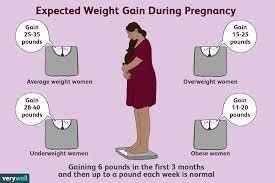
A nurse is caring for a client at the first prenatal visit who has a BMI of 26.5. The client asks how much weight she should gain during pregnancy. Which of the following responses should the nurse make?
A. "A gain of about 1 pound per week is the best pattern for you."
A weight gain of about 1 pound per week is a general guideline for women with normal BMI. However, for a client with a BMI of 26.5, the recommended weight gain during pregnancy may differ.
B. "It would be best if you gained about 11 to 20 pounds."
Gaining 11 to 20 pounds may not be sufficient for a client with a BMI of 26.5, as the recommended weight gain is slightly higher for women with a higher prepregnancy BMI.
C. "The recommendation for you is about 15 to 25 pounds."
For a client with a BMI of 26.5, the recommended weight gain during pregnancy is approximately 15 to 25 pounds. This range is specific to women with a BMI in the overweight category.
D. "A gain of about 25 to 35 pounds is recommended for you."
Gaining 25 to 35 pounds is recommended for clients with a lower BMI range (normal BMI). For a client with a BMI of 26.5, this amount of weight gain may be excessive.
Full Explanation
Choice A: A weight gain of about 1 pound per week is a general guideline for women with normal BMI. However, for a client with a BMI of 26.5, the recommended weight gain during pregnancy may differ.
Choice B: Gaining 11 to 20 pounds may not be sufficient for a client with a BMI of 26.5, as the recommended weight gain is slightly higher for women with a higher prepregnancy BMI.
Choice C: For a client with a BMI of 26.5, the recommended weight gain during pregnancy is approximately 15 to 25 pounds. This range is specific to women with a BMI in the overweight category.
Choice D: Gaining 25 to 35 pounds is recommended for clients with a lower BMI range (normal BMI). For a client with a BMI of 26.5, this amount of weight gain may be excessive.
A nurse is caring for an antepartum client whose laboratory findings indicate a negative rubella titer. Which of the following is the correct interpretation of this data?
A. The client requires a rubella vaccination at this time.
A negative rubella titer indicates that the client is not immune to rubella (German measles) and may need vaccination to protect against the infection. However, the negative titer does not imply an active rubella infection at this moment.
B. The client is not experiencing a rubella infection at this time.
A negative rubella titer means that the client is not currently immune to rubella. It does not suggest an ongoing rubella infection.
C. The client requires a rubella immunization following delivery.
The client may require a rubella immunization to achieve immunity, but this should be discussed with the healthcare provider and planned based on the client's vaccination history and pregnancy status.
D. The client is immune to the rubella virus.
A negative rubella titer indicates a lack of immunity to the rubella virus, not immunity against it.
Full Explanation
A. The client requires a rubella vaccination at this time. This is incorrect because rubella vaccination is contraindicated during pregnancy due to the risk of congenital rubella syndrome. Vaccination should be administered postpartum.
B. The client is not experiencing a rubella infection at this time. While this statement is true, it does not address the need for future immunization, which is the critical aspect of the interpretation.
C. The client requires a rubella immunization following delivery. This is correct because a negative rubella titer indicates that the client is not immune to rubella and should receive the vaccine postpartum to prevent future infection.
D. The client is immune to the rubella virus. This is incorrect because a negative rubella titer indicates a lack of immunity to rubella, meaning the client is susceptible to infection.
A nurse is caring for a client who is to undergo an amniotomy. Which of the following is the priority nursing action immediately following this procedure?
A. Assess the client's temperature.
Assessing the client's temperature is important, but it is not the priority immediately after an amniotomy. Fetal wellbeing takes precedence.
B. Assess the fetal heart rate and pattern.
After an amniotomy (artificial rupture of membranes), the priority nursing action is to assess the fetal heart rate and pattern. The procedure may cause changes in fetal heart rate and indicate fetal distress or cord compression, requiring immediate attention.
C. Record color and consistency of fluid in the chart.
Recording the color and consistency of fluid is relevant for documentation but does not address the immediate concern of fetal wellbeing.
D. Evaluate the client for the presence of chills and increased uterine tenderness using palpation.
Evaluating the client for chills and uterine tenderness is not the priority after an amniotomy. Monitoring the fetal heart rate is crucial to detect any signs of distress.
Full Explanation
Choice A: Assessing the client's temperature is important, but it is not the priority immediately after an amniotomy. Fetal wellbeing takes precedence.
Choice B; After an amniotomy (artificial rupture of membranes), the priority nursing action is to assess the fetal heart rate and pattern. The procedure may cause changes in fetal heart rate and indicate fetal distress or cord compression, requiring immediate attention.
Choice C: Recording the color and consistency of fluid is relevant for documentation but does not address the immediate concern of fetal wellbeing.
Choice D: Evaluating the client for chills and uterine tenderness is not the priority after an amniotomy. Monitoring the fetal heart rate is crucial to detect any signs of distress.