
Nursing practice questions with comprehensive rationales
NurseDive Free Nursing Practice Question
A nurse is caring for a client who reports acute anxiety. Which of the following actions should the nurse take first?
A. Encourage verbalization of feelings.
Option A is an appropriate action to take when caring for a client with anxiety, but they are not the first priority.
B. Provide an activity for diversion.
Option B may be an appropriate intervention when caring for a client with anxiety, but it is not the first priority.
C. Remain with the client.
If a client reports acute anxiety, the nurse's first priority should be to remain with the client. The nurse should provide a safe, supportive environment for the client and help the client feel less anxious. This can be accomplished by staying with the client, listening attentively to the client, and offering reassurance and support.
D. Have the client identify two coping skills.
OptionD is the appropriate action to take when caring for a client with anxiety, but they are not the first priority.
This question is an excerpt from Nurse Dive's nursing test bank - PNU Adult Health II Spring 2023 Proctored Exam 2. Take the full exam now
Full Explanation
If a client reports acute anxiety, the nurse's first priority should be to remain with the client. The nurse should provide a safe, supportive environment for the client and help the client feel less anxious. This can be accomplished by staying with the client, listening attentively to the client, and offering reassurance and support. Options A and D are appropriate actions to take when caring for a client with anxiety, but they are not the first priority.
Option B may be an appropriate intervention when caring for a client with anxiety, but it is not the first priority.
Similar Questions
A nurse is collecting data from a female client who has anorexia nervosa. Which of the following findings should the nurse expect?
A. Decreased cholesterol levels
Decreased cholesterol levels may be an indication of malnutrition.
B. Heavy monthly periods
Heavy monthly periods, or menstrual irregularities, may occur in clients with anorexia nervosa because of the hormonal changes that can result from severe weight loss.
C. Elevated serum potassium level
Elevated serum potassium levels are not a common finding in a client with anorexia nervosa.
D. Low bone density
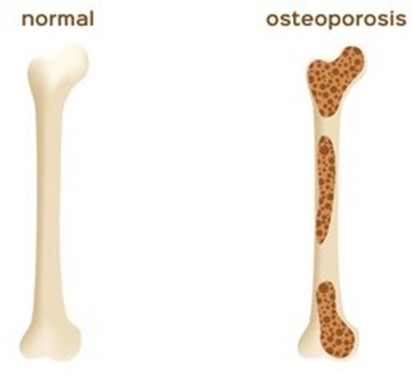
When collecting data from a female client who has anorexia nervosa, the nurse should expect a finding of low bone density. Anorexia nervosa is an eating disorder characterized by self-starvation, distorted body image, and a fear of gaining weight. Clients with anorexia nervosa are at risk for severe malnutrition, which can lead to a variety of complications, including bone loss and osteoporosis.
Full Explanation
When collecting data from a female client who has anorexia nervosa, the nurse should expect a finding of low bone density.
Anorexia nervosa is an eating disorder characterized by self-starvation, distorted body image, and a fear of gaining weight. Clients with anorexia nervosa are at risk for severe malnutrition, which can lead to a variety of complications, including bone loss and osteoporosis.
Options A, B, and C are incorrect findings in a client with anorexia nervosa. Decreased cholesterol levels may be an indication of malnutrition. Heavy monthly periods, or menstrual irregularities, may occur in clients with anorexia nervosa because of the hormonal changes that can result from severe weight loss. Elevated serum potassium levels are not a common finding in a client with anorexia nervosa.
A nurse is caring for a 20-year-old college student who has a 2-year history of bulimia nervosa. She tells the nurse, "I know my eating binges and vomiting are not normal, but I cannot do anything about them." Which of the following is a therapeutic response by the nurse?
A. "You should stop because you need to. You are destroying your health."
This isnot therapeutic because they are confrontational and may make the client defensive.
B. "Do you have any idea why you do this?"
This is not therapeutic because they are confrontational and may make the client defensive.
C. "I'm proud of you for recognizing that this behavior is not normal."
This is a well-intentioned but empty statement that does not offer any practical support or guidance to the client.
D. "It seems like you are feeling helpless about this behavior."
A therapeutic response to the client's statement would be to acknowledge that the client feels helpless about the behavior. The nurse should avoid judging or criticizing the client and instead focus on offering support and empathy.
Full Explanation
A therapeutic response to the client's statement would be to acknowledge that the client feels helpless about the behavior. The nurse should avoid judging or criticizing the client and instead focus on offering support and empathy.
Options A and B are not therapeutic because they are confrontational and may make the client defensive. Option C is a well-intentioned but empty statement that does not offer any practical support or guidance to the client.
A nurse in an addiction rehabilitation center is contributing to the plan of care for a newly admitted client who has an alcohol use disorder. Which of the following interventions is the nurse's priority?
A. Place the client in a private room.
Placing the client in a private room does not address the client’s physical needs.
B. Determine the client's level of disorientation.
Determining the client's level of disorientation is something necessary to assess but not the priority.
C. Pad the side rails of the bed with towels.
Padding the side rails of the bed with towels is not the priority intervention, and contributes little to the prevention of falls.
D. Accompany the client when ambulating.
The nurse’s priority when caring for a client with alcohol use disorder and who is experiencing withdrawal symptoms is to prevent harm to the client. Physiologic manifestations of alcohol withdrawal syndrome include seizures, delirium tremens (DTs), and hallucinations. Therefore, ensuring the client’s safety is of the utmost importance. Accompanying the client when ambulating is the priority intervention as alcohol withdrawal may lead to ataxia, weakness, and dizziness which may lead to falls.
Full Explanation
Accompany the client when ambulating. The nurse’s priority when caring for a client with alcohol use disorder and who is experiencing withdrawal symptoms is to prevent harm to the client. Physiologic manifestations of alcohol withdrawal syndrome include seizures, delirium tremens (DTs), and hallucinations. Therefore, ensuring the client’s safety is of the utmost importance. Accompanying the client when ambulating is the priority intervention as alcohol withdrawal may lead to ataxia, weakness, and dizziness which may lead to falls.
Choice A, placing the client in a private room, does not address the client’s physical needs.
Choice B, determining the client's level of disorientation, is something necessary to assess but not the priority.
Choice C, padding the side rails of the bed with towels, is not the priority intervention, and contributes little to the prevention of falls.