
Nursing practice questions with comprehensive rationales
NurseDive Free Nursing Practice Question
A nurse is caring for a client who reports unrelieved episiotomy pain 8 hours following a vaginal birth. Which of the following actions should the nurse take?
A. Apply an ice pack to the affected area.
Applying an ice pack may provide temporary relief from pain and swelling, but in this case, since the pain is unrelieved, a warm sitz bath would be more appropriate to promote relaxation and healing of the perineal area.
B. Place a hot pack to the perineum.
Applying a hot pack to the perineum may increase inflammation and discomfort rather than providing relief.
C. Provide a squeeze bottle of antiseptic solution.
Providing a squeeze bottle of antiseptic solution may help with perineal hygiene but will not directly address the unrelieved pain from the episiotomy.
D. Offer a warm sitz bath.
Offering a warm sitz bath can help soothe the perineal area, promote healing, and provide relief from episiotomy pain by increasing blood flow to the area and relaxing the muscles.
This question is an excerpt from Nurse Dive's nursing test bank - Ati N230 Exam 3 With Ngn Maternal Newborn Proctored Exam. Take the full exam now
Full Explanation
A. Applying an ice pack may provide temporary relief from pain and swelling, but in this case, since the pain is unrelieved, a warm sitz bath would be more appropriate to promote relaxation and healing of the perineal area.
B. Applying a hot pack to the perineum may increase inflammation and discomfort rather than providing relief.
C. Providing a squeeze bottle of antiseptic solution may help with perineal hygiene but will not directly address the unrelieved pain from the episiotomy.
D. Offering a warm sitz bath can help soothe the perineal area, promote healing, and provide relief from episiotomy pain by increasing blood flow to the area and relaxing the muscles.
Similar Questions
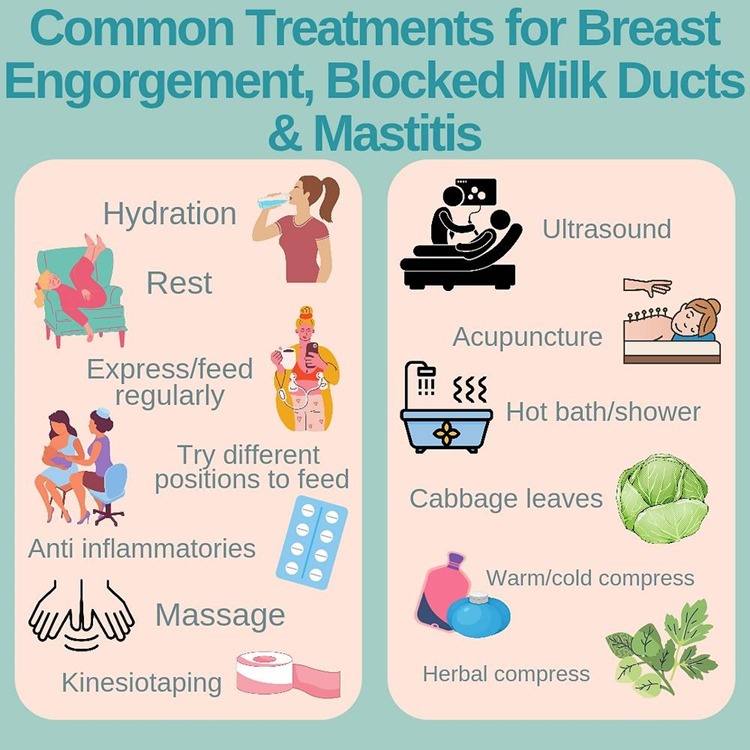
A nurse is providing teaching about comfort measures for breast engorgement to a client who is postpartum and is breastfeeding. Which of the following statements by the client indicates a need for further teaching?
A. "I will apply ice packs to my breasts after feeding."
Applying ice packs to the breasts after feeding can help reduce swelling and discomfort associated with breast engorgement.
B. "I should apply hot packs to my breasts during feeding."
Applying hot packs to the breasts during feeding can increase blood flow and exacerbate engorgement. Heat can worsen inflammation and discomfort in the breasts.
C. "I should crush cabbage leaves and place them on my breasts."
Crushed cabbage leaves can be applied to the breasts between feedings to help reduce swelling and discomfort associated with engorgement.
D. "I will breastfeed every 2 hours."
Breastfeeding every 2 hours helps to ensure frequent emptying of the breasts, which can help alleviate engorgement.
Full Explanation
A. Applying ice packs to the breasts after feeding can help reduce swelling and discomfort associated with breast engorgement.
B. Applying hot packs to the breasts during feeding can increase blood flow and exacerbate engorgement. Heat can worsen inflammation and discomfort in the breasts.
C. Crushed cabbage leaves can be applied to the breasts between feedings to help reduce swelling and discomfort associated with engorgement.
D. Breastfeeding every 2 hours helps to ensure frequent emptying of the breasts, which can help alleviate engorgement.
A nurse is planning care for a newborn who has a new diagnosis of phenylketonuria (PKU).
Which of the following actions should be included in the plan of care?
A. Administer thyroid hormone replacement.
Administering thyroid hormone replacement is not indicated for phenylketonuria (PKU). PKU is a metabolic disorder involving the inability to metabolize phenylalanine, an amino acid, and it does not involve thyroid dysfunction.
B. Educate parents on blood glucose monitoring.
Blood glucose monitoring is not directly related to the management of PKU. In PKU, the focus is on monitoring and restricting phenylalanine intake, not blood glucose levels.
C. Obtain a blood sample for blood type.
Obtaining a blood sample for blood type may be necessary for general newborn screening but is not specific to the management of PKU.
D. Initiate a controlled low-protein diet.
Initiating a controlled low-protein diet is the cornerstone of management for PKU. This diet restricts phenylalanine intake, which is essential for preventing neurological damage anddevelopmental delays in affected infants.
Full Explanation
A. Administering thyroid hormone replacement is not indicated for phenylketonuria (PKU). PKU is a metabolic disorder involving the inability to metabolize phenylalanine, an amino acid, and it does not involve thyroid dysfunction.
B. Blood glucose monitoring is not directly related to the management of PKU. In PKU, the focus is on monitoring and restricting phenylalanine intake, not blood glucose levels.
C. Obtaining a blood sample for blood type may be necessary for general newborn screening but is not specific to the management of PKU.
D. Initiating a controlled low-protein diet is the cornerstone of management for PKU. This diet restricts phenylalanine intake, which is essential for preventing neurological damage and
developmental delays in affected infants.
A nurse is caring for a client who is 1 hour postpartum and observes a large amount of lochia rubra and several small clots on the client's perineal pad. The fundus is midline and firm at the umbilicus. Which of the following actions should the nurse take?
A. Document the findings and continue to monitor the client.
The findings described are within the expected range for 1 hour postpartum, as lochia rubra and small clots are normal during the early postpartum period. The firm, midline fundus suggests adequate uterine contraction. Documenting the findings and continuing to monitor the client's progress are appropriate.
B. Increase the frequency of fundal massage.
Increasing the frequency of fundal massage is not necessary as the fundus is already firm and midline.
C. Encourage the client to empty her bladder.
Encouraging the client to empty her bladder is important for uterine involution, but it is not the priority in this scenario, as the fundus is already firm and midline.
D. Notify the client's provider.
Notifying the client's provider is not necessary at this time, as the findings are within theexpected range for the early postpartum period and do not indicate any immediate complications.
Full Explanation
A. The findings described are within the expected range for 1 hour postpartum, as lochia rubra and small clots are normal during the early postpartum period. The firm, midline fundus suggests adequate uterine contraction. Documenting the findings and continuing to monitor the client's progress are appropriate.
B. Increasing the frequency of fundal massage is not necessary as the fundus is already firm and midline.
C. Encouraging the client to empty her bladder is important for uterine involution, but it is not the priority in this scenario, as the fundus is already firm and midline.
D. Notifying the client's provider is not necessary at this time, as the findings are within the expected range for the early postpartum period and do not indicate any immediate complications.