Nursing practice questions with comprehensive rationales
NurseDive Free Nursing Practice Question
A nurse is caring for a client who smokes and has lung cancer. The client reports, “I'm coughing because I have that cold that everyone has been getting.”
The nurse should identify that the client is using which of the following defense mechanisms?
A. Denial
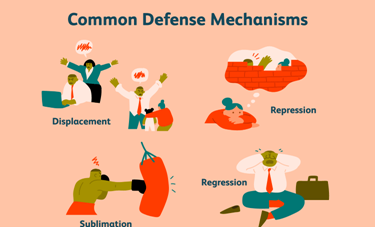
Denial is a defense mechanism where an individual refuses to accept or acknowledge the existence of a problem or a reality that causes anxiety or distress. In this scenario, the client is denying that their coughing is related to their lung cancer, and instead attributing it to a common cold that everyone is getting. This denial may be a way for the client to avoid facing the reality of their illness and the potential consequences of smoking.
B. Reaction formation
Option b, reaction formation, is a defense mechanism where an individual expresses feelings or behaviors that are the opposite of their true feelings to reduce anxiety.
C. Sublimation
Option c, sublimation, is a defense mechanism where an individual channels their unacceptable impulses into more acceptable or socially appropriate behaviors.
D. Suppression
Option d, suppression, is a defense mechanism where an individual consciously pushes down or avoids their thoughts or feelings. None of these defense mechanisms are being exhibited in the scenario described.
This question is an excerpt from Nurse Dive's nursing test bank - Mental Health - Proctored Exam 2. Take the full exam now
Full Explanation
Denial is a defense mechanism where an individual refuses to accept or acknowledge the existence of a problem or a reality that causes anxiety or distress. In this scenario, the client is denying that their coughing is related to their lung cancer, and instead attributing it to a common cold that everyone is getting. This denial may be a way for the client to avoid facing the reality of their illness and the potential consequences of smoking.
Option b, reaction formation, is a defense mechanism where an individual expresses feelings or behaviors that are the opposite of their true feelings to reduce anxiety.
Option c, sublimation, is a defense mechanism where an individual channels their unacceptable impulses into more acceptable or socially appropriate behaviors.
Option d, suppression, is a defense mechanism where an individual consciously pushes down or avoids their thoughts or feelings. None of these defense mechanisms are being exhibited in the scenario described.
Similar Questions
A 26-month-old child displays many negative behaviors. The parent says, "My child refuses toilet training and shouts, 'No, no, no!' when given directions. What do you think is wrong?" Select the registered nurse's best reply:
Select one:
A. The child needs more control. You have been weak."
Option a. “The child needs more control. You have been weak” is not a helpful response because it places blame on the parent and does not provide any useful information or guidance.
B. Some undesirable attitudes are developing at this time. A child psychologist can help you develop a remedial plan.
Option b. “Some undesirable attitudes are developing currently. A child psychologist can help you develop a remedial plan” may be an appropriate response if the child’s behaviors were significantly outside the norm for their age or if they were causing significant distress or disruption. However, based on the information provided by the parent, this does not appear to be the case.
C. This is normal for your child's age. The child is striving for independence."
The child is striving for independence.” The behaviors described by the parent are typical for a child who is 26 months old. At this age, children are beginning to develop a sense of autonomy and independence, and they may resist direction and assert their own will. Toilet training can also be a challenging process for both children and parents, and it is not uncommon for children to resist or refuse toilet training at first.
D. "There may be developmental problems. Most children are toilet trained by age 2 years and a half.
Option d. “There may be developmental problems. Most children are toilet trained by age 2 years and a half” is not a helpful response because it may cause unnecessary worry or concern for the parent. While many children are toilet trained by age 2 and a half, there is a wide range of normal variation in when children achieve this milestone.
Full Explanation
The child is striving for independence.” The behaviors described by the parent are typical for a child who is 26 months old. At this age, children are beginning to develop a sense of autonomy and independence, and they may resist direction and assert their own will. Toilet training can also be a challenging process for both children and parents, and it is not uncommon for children to resist or refuse toilet training at first.
Option a. “The child needs more control. You have been weak” is not a helpful response because it places blame on the parent and does not provide any useful information or guidance.
Option b. “Some undesirable attitudes are developing currently. A child psychologist can help you develop a remedial plan” may be an appropriate response if the child’s behaviors were significantly outside the norm for their age or if they were causing significant distress or disruption. However, based on the information provided by the parent, this does not appear to be the case.
Option d. “There may be developmental problems. Most children are toilet trained by age 2 years and a half” is not a helpful response because it may cause unnecessary worry or concern for the parent. While many children are toilet trained by age 2 and a half, there is a wide range of normal variation in when children achieve this milestone.
Which assessment finding for a client diagnosed with an eating disorder meets a criterion for
hospitalization? Select one:
A. Pulse rate: 55 beats/min
B. Serum potassium: 3.5 mEq/L
C. Systolic blood pressure: 62 mm Hg
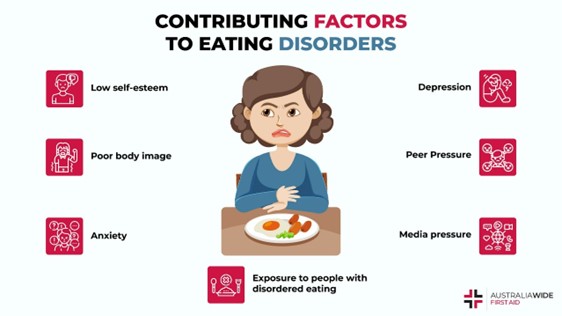
A systolic blood pressure of 62 mm Hg indicates severe hypotension and is a medical emergency. This is a life-threatening situation that requires immediate hospitalization for stabilization and treatment. Clients with eating disorders are at risk of electrolyte imbalances, cardiac complications, and other medical complications due to malnutrition and dehydration. While the other options are also abnormal findings, they are not as severe as the critically low blood pressure measurement. Therefore, the priority for hospitalization would be the client with severe hypotension.
D. urine output: 90 ml/3 hr.
Full Explanation
A systolic blood pressure of 62 mm Hg indicates severe hypotension and is a medical emergency. This is a life-threatening situation that requires immediate hospitalization for stabilization and treatment. Clients with eating disorders are at risk of electrolyte imbalances, cardiac complications, and other medical complications due to malnutrition and dehydration. While the other options are also abnormal findings, they are not as severe as the critically low blood pressure measurement. Therefore, the priority for hospitalization would be the client with severe hypotension.
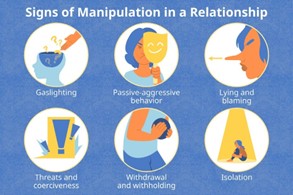
A registered nurse is planning to care for a client who demonstrates manipulative behaviors. Which of the following interventions should be included in the plan of care?
A. Avoid discussing past manipulative behaviors with the client.
B. Allow manipulation so as to not raise the client's anxiety.
C. Institute consequences for manipulative behavior
Manipulative behavior is not acceptable in any situation, and it is important for the nurse to set clear boundaries and expectations with the client. Allowing manipulation can enable the client's behavior and reinforce it. Avoiding discussing past or present manipulative behaviors with the client may not effectively address the issue and could potentially worsen the behavior. Bargaining with the client can also reinforce manipulative behavior. Therefore, instituting consequences for manipulative behavior is the most appropriate intervention to include in the plan of care. This could involve setting clear limits on what is acceptable behavior and consistently enforcing consequences when those limits are exceeded. The consequences should be communicated clearly to the client, and the nurse should work with the client to identify more appropriate ways to communicate their needs and concerns.
D. Avoid discussing present behaviors with the client
Full Explanation
Manipulative behavior is not acceptable in any situation, and it is important for the nurse to set clear boundaries and expectations with the client. Allowing manipulation can enable the client's behavior and reinforce it. Avoiding discussing past or present manipulative behaviors with the client may not effectively address the issue and could potentially worsen the behavior. Bargaining with the client can also reinforce manipulative behavior.
Therefore, instituting consequences for manipulative behavior is the most appropriate intervention to include in the plan of care. This could involve setting clear limits on what is acceptable behavior and consistently enforcing consequences when those limits are exceeded. The consequences should be communicated clearly to the client, and the nurse should work with the client to identify more appropriate ways to communicate their needs and concerns.