
Nursing practice questions with comprehensive rationales
NurseDive Free Nursing Practice Question
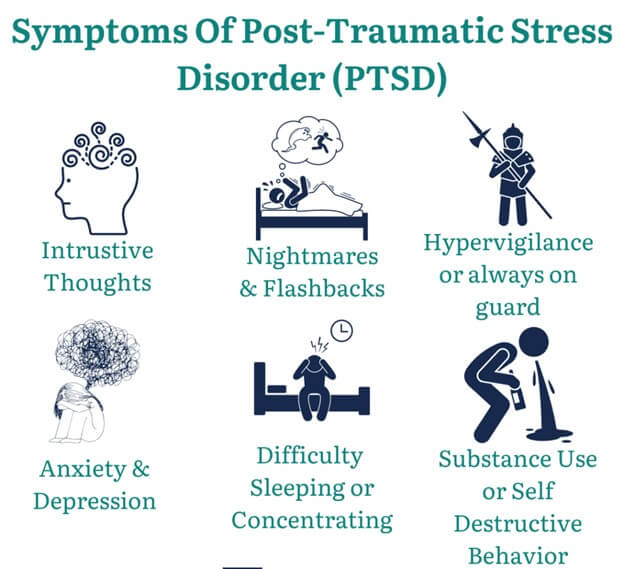
A nurse is caring for a client who was involved in heavy combat and observed war casualties. The nurse should suspect that the client is suffering from posttraumatic stress disorder (PTSD) if the client makes which of the following statements?
A. "My child was born with a birth defect due to an exposure I had overseas."
This statement does not directly relate to the core symptoms of PTSD. While exposure to trauma can have a variety of consequences, including potential exposure-related health issues, this statement does not necessarily indicate the re-experiencing, avoidance, or hyperarousal symptoms characteristic of PTSD.
B. I check any room I enter because the enemy is still after me and could be hiding anywhere."
This statement is more indicative of hyperarousal and hypervigilance, which are common symptoms of PTSD. However, it does not explicitly involve re-experiencing the traumatic event through nightmares or intrusive memories, as described in the correct answer.
C. "In my dreams, all I can see are the wounded reaching out and trying to grab me."
The statement "In my dreams, all I can see are the wounded reaching out and trying to grab me" indicates symptoms commonly associated with posttraumatic stress disorder (PTSD). This statement reflects the re-experiencing symptom cluster of PTSD, where individuals may have distressing and intrusive memories, nightmares, or flashbacks related to the traumatic event they experienced. The imagery of wounded individuals trying to grab the person suggests a strong emotional impact and ongoing distress related to the traumatic experience.
D. "I killed four enemy soldiers with my bare hands and saved my entire battalion."
While this statement might reflect exposure to a traumatic event and could contribute to symptoms of PTSD, it is presented in a way that seems more like a narrative of heroic actions rather than a symptom of distress or re-experiencing.
This question is an excerpt from Nurse Dive's nursing test bank - ATI Mental Health Proctored Exam. Take the full exam now
Full Explanation
A) "My child was born with a birth defect due to an exposure I had overseas."
This statement does not directly relate to the core symptoms of PTSD. While exposure to trauma can have a variety of consequences, including potential exposure-related health issues, this statement does not necessarily indicate the re-experiencing, avoidance, or hyperarousal symptoms characteristic of PTSD.
B) "I check any room I enter because the enemy is still after me and could be hiding anywhere."
This statement is more indicative of hyperarousal and hypervigilance, which are common symptoms of PTSD. However, it does not explicitly involve re-experiencing the traumatic event through nightmares or intrusive memories, as described in the correct answer.
C) "In my dreams, all I can see are the wounded reaching out and trying to grab me."
Explanation:
The statement "In my dreams, all I can see are the wounded reaching out and trying to grab me" indicates symptoms commonly associated with posttraumatic stress disorder (PTSD). This statement reflects the re-experiencing symptom cluster of PTSD, where individuals may have distressing and intrusive memories, nightmares, or flashbacks related to the traumatic event they experienced. The imagery of wounded individuals trying to grab the person suggests a strong emotional impact and ongoing distress related to the traumatic experience.
D) "I killed four enemy soldiers with my bare hands and saved my entire battalion."
While this statement might reflect exposure to a traumatic event and could contribute to symptoms of PTSD, it is presented in a way that seems more like a narrative of heroic actions rather than a symptom of distress or re-experiencing.
Similar Questions
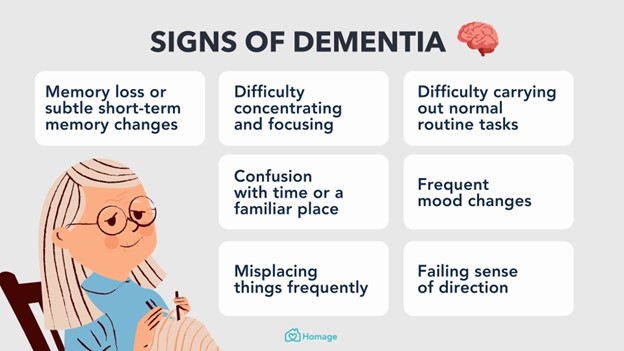
A community health nurse is providing teaching to the family of a client who has dementia. Which of the following manifestations should the nurse tell the family to expect?
A. Decreased display of emotions
While changes in emotional expression can occur in individuals with dementia, it's not a primary manifestation that is typically emphasized when educating families. Behavioral and psychological symptoms, including changes in emotion and personality, can be seen in dementia, but forgetfulness progressing to disorientation is a more direct and characteristic symptom of the condition.
B. Forgetfulness gradually progressing to disorientation
When educating the family of a client with dementia, the nurse should inform them to expect forgetfulness that gradually progresses to disorientation. Dementia is a progressive cognitive decline that affects memory, thinking, and reasoning. Forgetfulness is often one of the initial symptoms of dementia, and as the condition advances, individuals can become disoriented to time, place, and even people. This progression occurs due to the degeneration of brain cells and the accumulation of abnormal proteins.
C. Personality traits that are opposite of original traits
Changes in personality traits can indeed occur as a result of dementia, but this may not be the most prominent or early manifestation that the nurse would want to highlight when educating the family. The gradual progression of forgetfulness leading to disorientation is a more specific and foundational aspect of dementia.
D. Decreased auditory and visual acuity
Decreased sensory acuity, such as auditory and visual acuity, can happen with age and various health conditions, but they are not primary manifestations of dementia. Dementia primarily affects cognitive functions like memory, thinking, and reasoning.
Full Explanation
A) Decreased display of emotions:
While changes in emotional expression can occur in individuals with dementia, it's not a primary manifestation that is typically emphasized when educating families. Behavioral and psychological symptoms, including changes in emotion and personality, can be seen in dementia, but forgetfulness progressing to disorientation is a more direct and characteristic symptom of the condition.
B) Forgetfulness gradually progressing to disorientation
Explanation:
When educating the family of a client with dementia, the nurse should inform them to expect forgetfulness that gradually progresses to disorientation. Dementia is a progressive cognitive decline that affects memory, thinking, and reasoning. Forgetfulness is often one of the initial symptoms of dementia, and as the condition advances, individuals can become disoriented to time, place, and even people. This progression occurs due to the degeneration of brain cells and the accumulation of abnormal proteins.
C) Personality traits that are opposite of original traits:
Changes in personality traits can indeed occur as a result of dementia, but this may not be the most prominent or early manifestation that the nurse would want to highlight when educating the family. The gradual progression of forgetfulness leading to disorientation is a more specific and foundational aspect of dementia.
D) Decreased auditory and visual acuity:
Decreased sensory acuity, such as auditory and visual acuity, can happen with age and various health conditions, but they are not primary manifestations of dementia. Dementia primarily affects cognitive functions like memory, thinking, and reasoning.
A nurse is caring for an adolescent female who has an eating disorder.
The client is 162.6 cm (64 in) tall and weighs 38.56 kg (85 lb). Upon assessment, which of the following manifestations should the nurse expect? (Select all that apply.)
A. Hyperactivity
Hyperactivity: While some individuals with eating disorders may engage in excessive physical activity as a form of compensatory behavior, hyperactivity is not a consistent and universal manifestation.
B. Amenorrhea
Amenorrhea: Adolescents with eating disorders, particularly anorexia nervosa, often experience amenorrhea (absence of menstrual periods) due to hormonal imbalances and low body weight.
C. Verbalized desire to gain weight
Verbalized desire to gain weight: Individuals with eating disorders, especially anorexia nervosa, often express a strong desire to lose weight rather than gain weight, which contributes to their restrictive eating habits.
D. Altered body image
Altered body image: Eating disorders are often associated with distorted body image, where individuals perceive themselves as overweight or larger than they actually are, even if they are underweight.
E. Bradycardia
Bradycardia: Severe malnutrition, as seen in eating disorders like anorexia nervosa, can lead to bradycardia (slow heart rate) as the body conserves energy in response to the low caloric intake.
Full Explanation
A. Hyperactivity: While some individuals with eating disorders may engage in excessive physical activity as a form of compensatory behavior, hyperactivity is not a consistent and universal manifestation.
B. Amenorrhea: Adolescents with eating disorders, particularly anorexia nervosa, often experience amenorrhea (absence of menstrual periods) due to hormonal imbalances and low body weight.
C. Verbalized desire to gain weight: Individuals with eating disorders, especially anorexia nervosa, often express a strong desire to lose weight rather than gain weight, which contributes to their restrictive eating habits.
D. Altered body image: Eating disorders are often associated with distorted body image, where individuals perceive themselves as overweight or larger than they actually are, even if they are underweight.
E. Bradycardia: Severe malnutrition, as seen in eating disorders like anorexia nervosa, can lead to bradycardia (slow heart rate) as the body conserves energy in response to the low caloric intake.
A school nurse is talking with a 13-year-old female at her annual health-screening visit. Which of the following comments made by the adolescent should be the nurse's priority to address?
A. I haven't gotten my period yet, and all my friends have theirs."
While the concern about not having gotten her period yet is a valid one, it's a common experience during adolescence. Variability in the timing of puberty is normal, and addressing this concern might involve providing reassurance and education about the natural range of development.
B. There's a big pimple on my face, and I worry that everyone will notice it
While concerns about physical appearance are common during adolescence, they are less urgent in terms of emotional and psychological well-being. Addressing body image issues is important, but the statement about lack of social acceptance and reciprocal liking indicates potentially deeper emotional challenges.
C. "None of the kids at this school like me, and I don't like them either."
Adolescence is a time of significant emotional and social development. The statement about not being liked by other students and not liking them in return indicates potential social isolation and difficulties in forming positive relationships. Adolescents often seek social acceptance and peer relationships are crucial for their well-being and development.
D. "My parents treat me like a baby sometimes."
This statement suggests a common parent-adolescent dynamic where there might be conflicts about independence and autonomy. While these feelings are valid, they don't necessarily reflect a higher priority concern related to social isolation and peer relationships.
Full Explanation
A) "I haven't gotten my period yet, and all my friends have theirs."
While the concern about not having gotten her period yet is a valid one, it's a common experience during adolescence. Variability in the timing of puberty is normal, and addressing this concern might involve providing reassurance and education about the natural range of development.
B) "There's a big pimple on my face, and I worry that everyone will notice it."
While concerns about physical appearance are common during adolescence, they are less urgent in terms of emotional and psychological well-being. Addressing body image issues is important, but the statement about lack of social acceptance and reciprocal liking indicates potentially deeper emotional challenges.
C) "None of the kids at this school like me, and I don't like them either."
Explanation:
Adolescence is a time of significant emotional and social development. The statement about not being liked by other students and not liking them in return indicates potential social isolation and difficulties in forming positive relationships. Adolescents often seek social acceptance and peer relationships are crucial for their well-being and development.
D) "My parents treat me like a baby sometimes."
This statement suggests a common parent-adolescent dynamic where there might be conflicts about independence and autonomy. While these feelings are valid, they don't necessarily reflect a higher priority concern related to social isolation and peer relationships.