
Nursing practice questions with comprehensive rationales
NurseDive Free Nursing Practice Question
A nurse is caring for a client who was recently admited to an inpatient mental health unit. The client tells the nurse that he is not coming out of his room anymore because other clients on the unit make fun of him. Which of the following responses by the nurse is appropriate?
A. I think you should just ignore the others
I think you should just ignore the others." This response dismisses the client's concerns and does not address the underlying issue of the client feeling hurt by the interactions with others. It is important for the nurse to address the client's feelings and provide support.
B. You feel upset by the responses of others
The appropriate response by the nurse is to acknowledge and validate the client's feelings. Option b, "You feel upset by the responses of others," demonstrates empathy and reflects back the client's feelings, indicating that the nurse understands and acknowledges the client's distress.
C. Let's keep the focus of our discussion on your needs
Let's keep the focus of our discussion on your needs." While it is important to address the client's needs, it is also necessary to address the client's concerns and feelings related to the interactions with other clients. Ignoring or dismissing the client's concerns can further isolate the client and hinder their progress in the therapeutic environment
D. Everything will get beter once you get to know everyone.
Everything will get beter once you get to know everyone." This response minimizes the client's feelings and does not provide immediate support or address the client's concerns. It is essential for the nurse to validate the client's emotions and explore strategies to address the issue of others making fun of the client.
This question is an excerpt from Nurse Dive's nursing test bank - VATI PN Comprehensive Predictor 2020 Proctored Exam. Take the full exam now
Full Explanation
b. "You feel upset by the responses of others."
The appropriate response by the nurse is to acknowledge and validate the client's feelings. Option b, "You feel upset by the responses of others," demonstrates empathy and reflects back the client's feelings, indicating that the nurse understands and acknowledges the client's distress.
Explanation for the other options:
a. "I think you should just ignore the others." This response dismisses the client's concerns and does not address the underlying issue of the client feeling hurt by the interactions with others. It is important for the nurse to address the client's feelings and provide support.
c. "Let's keep the focus of our discussion on your needs." While it is important to address the client's needs, it is also necessary to address the client's concerns and feelings related to the interactions with other clients. Ignoring or dismissing the client's concerns can further isolate the client and hinder their progress in the therapeutic environment.
d. "Everything will get beter once you get to know everyone." This response minimizes the client's feelings and does not provide immediate support or address the client's concerns. It is essential for the nurse to validate the client's emotions and explore strategies to address the issue of others making fun of the client.
In summary, the nurse should choose a response that acknowledges the client's feelings and demonstrates empathy. Validating the client's experience can help establish trust and provide a foundation for further therapeutic interventions.
Similar Questions
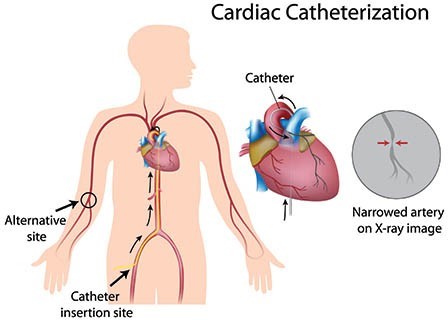
A nurse is providing preoperative teaching for an adolescent who is scheduled for a cardiac catheterization. Which of the following instructions should the nurse include?
A. You can resume a regular diet 3 days after your procedure.
A. You can resume a regular diet 3 days after your procedure: There is typically no need to delay resuming a regular diet for three days after a cardiac catheterization. Most clients can resume their usual diet shortly after the procedure once they are fully awake and any nausea has resolved.
B. You can take a shower 1 day after your procedure.
B. You can take a shower 1 day after your procedure: It is generally safe to shower the day after a cardiac catheterization as long as the insertion site remains protected. Clients should avoid soaking in a bath or swimming until the site is fully healed to prevent infection.
C. You can begin exercising 2 days after your procedure.
C. You can begin exercising 2 days after your procedure: Strenuous activities, including exercise, should generally be avoided for a few days to a week following a cardiac catheterization. This allows time for the insertion site to heal and reduces the risk of complications such as bleeding.
D. You can return to school 1 week after your procedure.
D. You can return to school 1 week after your procedure: Most clients can return to school or normal activities within a few days, provided they feel well and avoid excessive physical exertion. A full week off is typically not necessary unless specified by the healthcare provider based on the individual’s recovery.
Full Explanation
Answer: B. You can take a shower 1 day after your procedure.
Rationale:
A. You can resume a regular diet 3 days after your procedure:
There is typically no need to delay resuming a regular diet for three days after a cardiac catheterization. Most clients can resume their usual diet shortly after the procedure once they are fully awake and any nausea has resolved.
B. You can take a shower 1 day after your procedure:
It is generally safe to shower the day after a cardiac catheterization as long as the insertion site remains protected. Clients should avoid soaking in a bath or swimming until the site is fully healed to prevent infection.
C. You can begin exercising 2 days after your procedure:
Strenuous activities, including exercise, should generally be avoided for a few days to a week following a cardiac catheterization. This allows time for the insertion site to heal and reduces the risk of complications such as bleeding.
D. You can return to school 1 week after your procedure:
Most clients can return to school or normal activities within a few days, provided they feel well and avoid excessive physical exertion. A full week off is typically not necessary unless specified by the healthcare provider based on the individual’s recovery.
A nurse in an acute mental health facility observes a client having a panic atack. Which of the following interventions should the nurse implement first?
A. Discuss the client's feelings prior to the panic atack.
Discuss the client's feelings prior to the panic atack. While discussing the client's feelings can be beneficial in addressing the underlying causes of anxiety, it may not be the most effective immediate intervention during a panic atack. The client's focus during a panic atack is typically on managing the physical symptoms and regaining control.
B. Encourage the use of positive self-talk strategies
Encourage the use of positive self-talk strategies. Positive self-talk can be helpful in managing anxiety in general, but during a panic atack, the individual may have difficulty engaging in positive self-talk due to the intensity of symptoms. Addressing the immediate physical symptoms is a priority before exploring coping strategies
C. Instruct the client to use abdominal breathing
When a client is experiencing a panic atack, the nurse's first priority is to help the client manage their symptoms and provide immediate relief. Instructing the client to use abdominal breathing is the most appropriate initial intervention.
D. Administer an anti-anxiety medication
Administer an anti-anxiety medication. Medication administration may be necessary in some cases, but it is not the first-line intervention for managing a panic atack. Non-pharmacological interventions, such as breathing techniques, should be implemented first. If the panic atack persists or worsens despite these interventions, medication may be considered.
Full Explanation
c. Instruct the client to use abdominal breathing.
When a client is experiencing a panic atack, the nurse's first priority is to help the client manage their symptoms and provide immediate relief. Instructing the client to use abdominal breathing is the most appropriate initial intervention.
Explanation for the other options:
a. Discuss the client's feelings prior to the panic atack. While discussing the client's feelings can be beneficial in addressing the underlying causes of anxiety, it may not be the most effective immediate intervention during a panic atack. The client's focus during a panic atack is typically on managing the physical symptoms and regaining control.
b. Encourage the use of positive self-talk strategies. Positive self-talk can be helpful in managing anxiety in general, but during a panic atack, the individual may have difficulty engaging in positive self-talk due to the intensity of symptoms. Addressing the immediate physical symptoms is a priority before exploring coping strategies.
d. Administer an anti-anxiety medication. Medication administration may be necessary in some cases, but it is not the first-line intervention for managing a panic atack. Non-pharmacological interventions, such as breathing techniques, should be implemented first. If the panic atack persists or worsens despite these interventions, medication may be considered.
In summary, during a panic atack, the immediate focus should be on helping the client manage their symptoms. Instructing the client to use abdominal breathing can help promote relaxation and reduce the intensity of the panic atack.
A nurse is reinforcing teaching with a client who has a new prescription for digoxin to treat heart failure.
Which of the following should the nurse include as an expected effect of this medication?
A. Increased heart rate.
Is not an expected effect of digoxin. Digoxin may actually decrease heart rate by exerting a negative chronotropic effect.
B. Increased cardiac output.
The nurse should include increased cardiac output as an expected effect of digoxin when reinforcing teaching with the client. Digoxin is a positive inotropic medication that strengthens the force of contraction of the heart, resulting in increased cardiac output.
C. Decreased urinary output.
Is not an expected effect of digoxin. In fact, digoxin does not directly affect urinary output.
D. Decreased potassium level.
Is not an expected effect of digoxin. However, digoxin can increase the risk of hypokalemia, so it is important to monitor the client's potassium levels while on the medication.
Full Explanation
The nurse should include increased cardiac output as an expected effect of digoxin when reinforcing teaching with the client. Digoxin is a positive inotropic medication that strengthens the force of contraction of the heart, resulting in increased cardiac output.
Option a, increased heart rate, is not an expected effect of digoxin. Digoxin may actually decrease heart rate by exerting a negative chronotropic effect.
Option c, decreased urinary output, is not an expected effect of digoxin. In fact, digoxin does not directly affect urinary output.
Option d, decreased potassium level, is not an expected effect of digoxin. However, digoxin can increase the risk of hypokalemia, so it is important to monitor the client's potassium levels while on the medication.