
Nursing practice questions with comprehensive rationales
NurseDive Free Nursing Practice Question
A nurse is caring for a newborn and auscultates an apical heart rate of 130/min. Which of the following actions should the nurse take?
A. Document this as an expected finding.
An apical heart rate of 130/min is within the normal range for a newborn and does not require immediate intervention.
B. Call the provider to further assess the newborn.
Contacting the provider is not necessary as the heart rate is within the expected range.
C. Prepare the newborn for transport to the NICU.
Preparing for NICU transport is not warranted based on a heart rate of 130/min.
D. Ask another nurse to verify the heart rate.
Verifying the heart rate with another nurse is unnecessary for a heart rate within the normal range.
This question is an excerpt from Nurse Dive's nursing test bank - Ati Maternal Newborn Proctored Exam 3 Reno 2 2020. Take the full exam now
Full Explanation
A. An apical heart rate of 130/min is within the normal range for a newborn and does not require immediate intervention.
B. Contacting the provider is not necessary as the heart rate is within the expected range.
C. Preparing for NICU transport is not warranted based on a heart rate of 130/min.
D. Verifying the heart rate with another nurse is unnecessary for a heart rate within the normal range.
Similar Questions
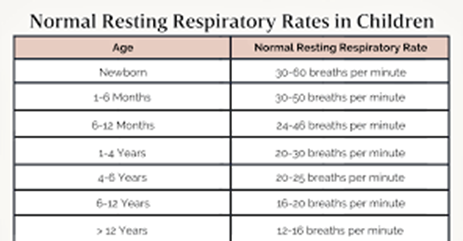
A nurse is assessing a newborn 1 hr after birth. Which of the following respiratory rates is within the expected reference range for a newborn?
A. 110/min
A respiratory rate of 110/min is too high for a newborn and may indicate respiratory distress.
B. 100/min
A respiratory rate of 100/min is too high for a newborn and may indicate respiratory distress.
C. 22/min
A respiratory rate of 22/min is too low for a newborn.
D. 48/min
A normal respiratory rate for a newborn is between 40 and 60 breaths per minute.
Full Explanation
A. A respiratory rate of 110/min is too high for a newborn and may indicate respiratory distress.
B. A respiratory rate of 100/min is too high for a newborn and may indicate respiratory distress.
C. A respiratory rate of 22/min is too low for a newborn.
D. A normal respiratory rate for a newborn is between 40 and 60 breaths per minute.
A nurse is providing discharge teaching to a client who is 3 days postoperative following a cesarean birth. Which of the following client statements indicates to the nurse that further teaching is needed??
A. "I am likely to have a fever during the first week I am home."
Having a fever during the first week at home is not a normal or expected finding and may indicate an infection, requiring further assessment.
B. "I will call my provider if I have discharge from my incision."
Contacting the provider for incisional discharge is a proper response.
C. "I should not have unrelieved pain in my abdomen."
Not having unrelieved pain in the abdomen is an appropriate expectation.
D. "I will resume taking my prenatal vitamins."
Resuming prenatal vitamins is a normal postoperative recommendation.
Full Explanation
A. Having a fever during the first week at home is not a normal or expected finding and may indicate an infection, requiring further assessment.
B. Contacting the provider for incisional discharge is a proper response.
C. Not having unrelieved pain in the abdomen is an appropriate expectation.
D. Resuming prenatal vitamins is a normal postoperative recommendation.
A nurse is caring for a client who reports unrelieved episiotomy pain 8 hr following a vaginal birth. Which of the following actions should the nurse take?
A. Place a hot pack to the perineum.
A hot pack to the perineum can be offered after 24 hours, but not before, as heat can increase bleeding.
B. Offer a warm sitz bath.
A warm sitz bath can be offered after 24 hours, but not before, as heat can increase bleeding and infection risk.
C. Apply an ice pack to the affected area.
The nurse should also apply an ice pack to the perineum for 20 minutes every 4 hours to reduce swelling and inflammation.
D. Provide a squeeze bottle of antiseptic solution.
Providing a squeeze bottle of antiseptic solution is more related to perineal hygiene rather than pain relief.
Full Explanation
A. A hot pack to the perineum can be offered after 24 hours, but not before, as heat can increase bleeding.
B. A warm sitz bath can be offered after 24 hours, but not before, as heat can increase bleeding and infection risk.
C. The nurse should also apply an ice pack to the perineum for 20 minutes every 4 hours to reduce swelling and inflammation.
D. Providing a squeeze bottle of antiseptic solution is more related to perineal hygiene rather than pain relief.