
Nursing practice questions with comprehensive rationales
NurseDive Free Nursing Practice Question
A nurse is caring for a newborn following a circumcision. Which of the following manifestations indicates
the newborn is experiencing pain?
A. Diaphoresis
None
B. Hypoglycemia
None
C. Lip smacking
Lip smacking in a newborn following circumcision can indicate pain. It is a nonverbal cue that suggests discomfort or distress. Diaphoresis (option a) refers to excessive sweating and can be a sign of pain or other physiological responses. Hypoglycemia (option b) is low blood sugar and is not directly related to pain. Transient strabismus (option d) refers to temporary misalignment of the eyes and is not specifically indicative of pain.
D. Transient strabismus
None
This question is an excerpt from Nurse Dive's nursing test bank - VATI PN Comprehensive Predictor 2020 Proctored Exam. Take the full exam now
Similar Questions
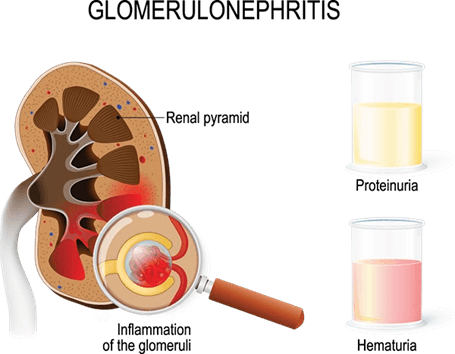
A nurse is collecting data from a child who has acute glomerulonephritis.
Which of the following findings should the nurse expect?
A. Decreased blood pressure
Is not typically seen in acute glomerulonephritis. Instead, hypertension is a common finding due to fluid retention and increased blood volume.
B. Pale yellow urine
Is not expected in acute glomerulonephritis. Instead, urine may appear dark or tea-colored due to the presence of blood (hematuria).
C. Periorbital edema
Acute glomerulonephritis is an inflammatory condition affecting the glomeruli of the kidneys. It is commonly characterized by periorbital edema, which is swelling around the eyes. This occurs due to fluid retention and impaired kidney function. Other common manifestations of acute glomerulonephritis include hypertension (increased blood pressure), dark or tea-colored urine (hematuria), decreased urine output, and signs of fluid overload such as edema in the hands, feet, and face.
D. Increased urination
Is not a characteristic finding in acute glomerulonephritis. Instead, there is often a decrease in urine output or oliguria.
Full Explanation
c. Periorbital edema.
Explanation: Acute glomerulonephritis is an inflammatory condition affecting the glomeruli of the kidneys. It is commonly characterized by periorbital edema, which is swelling around the eyes. This occurs due to fluid retention and impaired kidney function. Other common manifestations of acute glomerulonephritis include hypertension (increased blood pressure), dark or tea-colored urine (hematuria), decreased urine output, and signs of fluid overload such as edema in the hands, feet, and face.
Option a, decreased blood pressure, is not typically seen in acute glomerulonephritis. Instead, hypertension is a common finding due to fluid retention and increased blood volume.
Option b, pale yellow urine, is not expected in acute glomerulonephritis. Instead, urine may appear dark or
tea-colored due to the presence of blood (hematuria).
Option d, increased urination, is not a characteristic finding in acute glomerulonephritis. Instead, there is often a decrease in urine output or oliguria.
It is important to note that individual presentations may vary, and the nurse should consider the complete clinical picture and the child's specific symptoms when assessing for acute glomerulonephritis.
A nurse is reinforcing teaching about home care with the parents of a child who has a seizure disorder.
Which of the following instructions should the nurse include?
A. Call EMS if a seizure lasts 5 min or more.
When providing home care instructions for a child with a seizure disorder, it is important to educate the parents about appropriate actions during a seizure. Calling emergency medical services (EMS) if a seizure lasts 5 minutes or more is crucial because it may indicate a condition called status epilepticus, which is a prolonged seizure or a series of seizures without full recovery of consciousness between them. Status epilepticus is a medical emergency that requires immediate medical intervention.
B. Restrain the child at the onset of the seizure.
Is not recommended. Restraint can potentially cause harm to the child and increase the risk of injury. It is advised to create a safe environment by removing any nearby objects that could cause injury and placing a pillow or cushion under the child's head to prevent head injury.
C. Offer the child a bubble bath every evening.
Is not specifically related to seizure management. Bathing routines can be continued as long as they are safe and supervised. However, it is important to ensure the child's safety during bathing, such as providing adequate supervision to prevent drowning or injury.
D. Place the child in a prone position during the seizure.
Is not recommended. Placing the child in a prone position (face down) during a seizure can obstruct the airway and increase the risk of respiratory complications. The child should be placed on their side, in a recovery position, to facilitate drainage of saliva or other fluids and prevent choking.
Full Explanation
The correct answer is a. Call EMS if a seizure lasts 5 minutes or more.
Explanation:
When providing home care instructions for a child with a seizure disorder, it is important to educate the parents about appropriate actions during a seizure. Calling emergency medical services (EMS) if a seizure lasts 5 minutes or more is crucial because it may indicate a condition called status epilepticus, which is a prolonged seizure or a series of seizures without full recovery of consciousness between them. Status epilepticus is a medical emergency that requires immediate medical intervention.
Option b, restraining the child at the onset of a seizure, is not recommended. Restraint can potentially cause harm to the child and increase the risk of injury. It is advised to create a safe environment by removing any nearby objects that could cause injury and placing a pillow or cushion under the child's head to prevent head injury.
Option c, offering the child a bubble bath every evening, is not specifically related to seizure management. Bathing routines can be continued as long as they are safe and supervised. However, it is important to ensure the child's safety during bathing, such as providing adequate supervision to prevent drowning or injury.
Option d, placing the child in a prone position during a seizure, is not recommended. Placing the child in a prone position (face down) during a seizure can obstruct the airway and increase the risk of respiratory complications. The child should be placed on their side, in a recovery position, to facilitate drainage of saliva or other fluids and prevent choking.
Overall, the most important instruction for the parents is to recognize the signs of prolonged seizure activity and to seek immediate medical assistance by calling EMS if a seizure lasts 5 minutes or more.
A nurse is reinforcing teaching about home care with the parents of a child who has a seizure disorder.
Which of the following instructions should the nurse include?
A. Call EMS if a seizure lasts 5 min or more.
When providing home care instructions for a child with a seizure disorder, it is important to educate the parents about appropriate actions during a seizure. Calling emergency medical services (EMS) if a seizure lasts 5 minutes or more is crucial because it may indicate a condition called status epilepticus, which is a prolonged seizure or a series of seizures without full recovery of consciousness between them. Status epilepticus is a medical emergency that requires immediate medical intervention.
B. Restrain the child at the onset of the seizure.
Is not recommended. Restraint can potentially cause harm to the child and increase the risk of injury. It is advised to create a safe environment by removing any nearby objects that could cause injury and placing a pillow or cushion under the child's head to prevent head injury.
C. Offer the child a bubble bath every evening.
Is not specifically related to seizure management. Bathing routines can be continued as long as they are safe and supervised. However, it is important to ensure the child's safety during bathing, such as providing adequate supervision to prevent drowning or injury.
D. Place the child in a prone position during the seizure.
Is not recommended. Placing the child in a prone position (face down) during a seizure can obstruct the airway and increase the risk of respiratory complications. The child should be placed on their side, in a recovery position, to facilitate drainage of saliva or other fluids and prevent choking.
Full Explanation
The correct answer is a. Call EMS if a seizure lasts 5 minutes or more.
Explanation:
When providing home care instructions for a child with a seizure disorder, it is important to educate the parents about appropriate actions during a seizure. Calling emergency medical services (EMS) if a seizure lasts 5 minutes or more is crucial because it may indicate a condition called status epilepticus, which is a prolonged seizure or a series of seizures without full recovery of consciousness between them. Status epilepticus is a medical emergency that requires immediate medical intervention.
Option b, restraining the child at the onset of a seizure, is not recommended. Restraint can potentially cause harm to the child and increase the risk of injury. It is advised to create a safe environment by removing any nearby objects that could cause injury and placing a pillow or cushion under the child's head to prevent head injury.
Option c, offering the child a bubble bath every evening, is not specifically related to seizure management. Bathing routines can be continued as long as they are safe and supervised. However, it is important to ensure the child's safety during bathing, such as providing adequate supervision to prevent drowning or injury.
Option d, placing the child in a prone position during a seizure, is not recommended. Placing the child in a prone position (face down) during a seizure can obstruct the airway and increase the risk of respiratory complications. The child should be placed on their side, in a recovery position, to facilitate drainage of saliva or other fluids and prevent choking.
Overall, the most important instruction for the parents is to recognize the signs of prolonged seizure activity and to seek immediate medical assistance by calling EMS if a seizure lasts 5 minutes or more.