
Nursing practice questions with comprehensive rationales
NurseDive Free Nursing Practice Question
A nurse is caring for a newly admitted client who has acute inflammatory bowel disease with constipation and reports bloody stools. Which of the following medications should the nurse plan to administer?
A. Omeprazole
Omeprazole is a proton pump inhibitor used to reduce stomach acid production and is not typically used for treating bloody stools in inflammatory bowel disease.
B. Infliximab
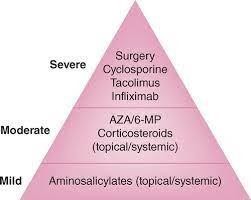
Infliximab is used to treat inflammatory bowel disease and can help manage symptoms such as bloody stools by suppressing the inflammatory response.
C. Ondansetron
Ondansetron is an antiemetic used for nausea and vomiting, not related to bloody stools.
D. Metoclopramide
Metoclopramide is used to treat nausea, vomiting, and gastrointestinal motility disorders, not specifically indicated for bloody stools.
This question is an excerpt from Nurse Dive's nursing test bank - RN ati Concept-based assessment level proctored exam. Take the full exam now
Full Explanation
Choice A rationale
Omeprazole is a proton pump inhibitor used to reduce stomach acid production and is not typically used for treating bloody stools in inflammatory bowel disease.
Choice B rationale:
Infliximab is used to treat inflammatory bowel disease and can help manage symptoms such as bloody stools by suppressing the inflammatory response.
Choice C rationale:
Ondansetron is an antiemetic used for nausea and vomiting, not related to bloody stools.
Choice D rationale:
Metoclopramide is used to treat nausea, vomiting, and gastrointestinal motility disorders, not specifically indicated for bloody stools.
Similar Questions
A nurse is reviewing the laboratory results of a client who has Parkinson's disease and a prescription for carbidopa/levodopa. Which of the following values should the nurse report to the provider?
A. Fasting blood glucose 96 mg/dL
A fasting blood glucose level of 96 mg/dL is within a normal range and is not typically associated with carbidopa/levodopa therapy.
B. Hemoglobin 10 g/dL
Hemoglobin levels of 10 g/dL may indicate anemia, which can exacerbate symptoms in clients with Parkinson's disease and affect the effectiveness of carbidopa/levodopa.
C. Platelet count 200,000/mm3
A platelet count of 200,000/mm3 is within a normal range and is not typically associated with carbidopa/levodopa therapy.
D. BUN 10 mg/dL
A blood urea nitrogen (BUN) level of 10 mg/dL is within a normal range and is not typically associated with carbidopa/levodopa therapy.
Full Explanation
Choice A rationale:
A fasting blood glucose level of 96 mg/dL is within a normal range and is not typically associated with carbidopa/levodopa therapy.
Choice B rationale:
Hemoglobin levels of 10 g/dL may indicate anemia, which can exacerbate symptoms in clients with Parkinson's disease and affect the effectiveness of carbidopa/levodopa.
Choice C rationale:
A platelet count of 200,000/mm3 is within a normal range and is not typically associated with carbidopa/levodopa therapy.
Choice D rationale:
A blood urea nitrogen (BUN) level of 10 mg/dL is within a normal range and is not typically associated with carbidopa/levodopa therapy.
A nurse is teaching a group of newly licensed nurses about palliative care. Which of the following information should the nurse include in the teaching?
A. Is limited to clients who are in an acute care setting
Palliative care is not limited to acute care settings and can be provided in various healthcare settings.
B. Provides financial assistance for clients in need
While palliative care aims to improve overall well-being, it does not provide financial assistance.
C. Is available for clients who have a serious illness
Palliative care focuses on providing relief from symptoms and improving the quality of life for individuals with serious illnesses, regardless of whether they are receiving curative treatments.
D. Is not appropriate for clients still receiving curative treatments
Palliative care can be provided alongside curative treatments to address symptoms and enhance quality of life.
Full Explanation
Choice A rationale:
Palliative care is not limited to acute care settings and can be provided in various healthcare settings.
Choice B rationale:
While palliative care aims to improve overall well-being, it does not provide financial assistance.
Choice C rationale:
Palliative care focuses on providing relief from symptoms and improving the quality of life for individuals with serious illnesses, regardless of whether they are receiving curative treatments.
Choice D rationale:
Palliative care can be provided alongside curative treatments to address symptoms and enhance quality of life.
A nurse is assessing a client who has posttraumatic stress disorder following military combat. Which of the following findings should the nurse expect?
A. Requests opportunity to discuss trauma
Requesting an opportunity to discuss trauma might be indicative of the client's desire to process their experiences, but it's not a specific symptom of PTSD.
B. Reports recurrent nightmares
Recurrent nightmares are a common symptom of PTSD, often related to the traumatic event.
C. Indicates working extra hours
Indicating working extra hours is not a specific symptom of PTSD.
D. Exhibits diminished reflexes
Exhibiting diminished reflexes is not a typical symptom of PTSD.
Full Explanation
Choice A rationale:
Requesting an opportunity to discuss trauma might be indicative of the client's desire to process their experiences, but it's not a specific symptom of PTSD.
Choice B rationale:
Recurrent nightmares are a common symptom of PTSD, often related to the traumatic event.
Choice C rationale:
Indicating working extra hours is not a specific symptom of PTSD.
Choice D rationale:
Exhibiting diminished reflexes is not a typical symptom of PTSD.