
Nursing practice questions with comprehensive rationales
NurseDive Free Nursing Practice Question
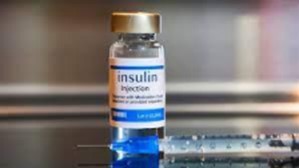
A nurse is caring for an adolescent client who has a long history of diabetes mellitus and is being admitted to the emergency department confused, flushed, and with an acetone odor on the breath. Diabetic ketoacidosis is suspected. The nurse should anticipate using which of the following types of insulin to treat this client?
A. NPH insulin
NPH insulin: NPH insulin, also known as Neutral Protamine Hagedorn, is an intermediate acting insulin. It has a slower onset of action and a longer duration compared to regular insulin. It is not the best choice for treating diabetic ketoacidosis (DKA) because it does not act quickly enough to lower dangerously high blood glucose levels in this acute situation.
B. Insulin glargine
Insulin glargine: Insulin glargine is a long-acting basal insulin. It has a slow, steady release and provides a consistent level of insulin over an extended period. Like NPH insulin, it is not suitable for rapidly lowering blood glucose levels in a DKA emergency.
C. Insulin detemir
Insulin detemir: Insulin detemir is another long-acting basal insulin similar to glargine. It has a slow onset and provides a sustained release of insulin. It is not the first-line choice for treating DKA due to its slower action.
D. Regular Insulin
Regular Insulin: Regular insulin, also known as short-acting or fast-acting insulin, has a rapid onset of action. When administered intravenously, it can quickly lower blood glucose levels. This makes it the preferred choice for treating diabetic ketoacidosis (DKA) where prompt action is essential to correct the severe hyperglycemia and associated metabolic imbalances.
This question is an excerpt from Nurse Dive's nursing test bank - RN ATI Medsurg Proctored Exam. Take the full exam now
Full Explanation
A. NPH insulin: NPH insulin, also known as Neutral Protamine Hagedorn, is an intermediate acting insulin. It has a slower onset of action and a longer duration compared to regular insulin. It is not the best choice for treating diabetic ketoacidosis (DKA) because it does not act quickly enough to lower dangerously high blood glucose levels in this acute situation.
B. Insulin glargine: Insulin glargine is a long-acting basal insulin. It has a slow, steady release and provides a consistent level of insulin over an extended period. Like NPH insulin, it is not suitable for rapidly lowering blood glucose levels in a DKA emergency.
C. Insulin detemir: Insulin detemir is another long-acting basal insulin similar to glargine. It has a slow onset and provides a sustained release of insulin. It is not the first-line choice for treating DKA due to its slower action.
D. Regular Insulin: Regular insulin, also known as short-acting or fast-acting insulin, has a rapid onset of action. When administered intravenously, it can quickly lower blood glucose levels. This makes it the preferred choice for treating diabetic ketoacidosis (DKA) where prompt action is essential to correct the severe hyperglycemia and associated metabolic imbalances.
Similar Questions
A nurse is caring for a client who has chronic hypothyroidism. For which of the following conditions should the nurse monitor?
A. Photophobia
Photophobia is not typically associated with hypothyroidism. It can be a symptom of conditions affecting the eyes, such as certain infections or ocular disorders.
B. Exophthalmos
Exophthalmos is a protrusion of the eyeballs and is a characteristic symptom of hyperthyroidism (overactive thyroid), not hypothyroidism (underactive thyroid).
C. Lethargy
Correct. Lethargy is a common symptom of hypothyroidism. It is characterized by extreme tiredness, sluggishness, and lack of energy.
D. Goiter
Goiter is an enlargement of the thyroid gland and can occur in both hyperthyroidism and hypothyroidism. However, it is not a direct symptom; it is a physical finding that can be associated with thyroid disorders.
Full Explanation
A. Photophobia is not typically associated with hypothyroidism. It can be a symptom of conditions affecting the eyes, such as certain infections or ocular disorders.
B. Exophthalmos is a protrusion of the eyeballs and is a characteristic symptom of hyperthyroidism (overactive thyroid), not hypothyroidism (underactive thyroid).
C. Correct. Lethargy is a common symptom of hypothyroidism. It is characterized by extreme tiredness, sluggishness, and lack of energy.
D. Goiter is an enlargement of the thyroid gland and can occur in both hyperthyroidism and hypothyroidism. However, it is not a direct symptom; it is a physical finding that can be associated with thyroid disorders.
A nurse is assessing a client who has hypoparathyroidism. Which of the following findings should the nurse expect?
A. Flaccid muscles
Flaccid muscles are associated with conditions like hypokalemia, not hypoparathyroidism. In hypoparathyroidism, there is a deficiency of parathyroid hormone (PTH), which leads to low calcium levels and can result in muscle spasms and tetany, not flaccid muscles.
B. Client report of anorexia
While anorexia can occur in clients with various health conditions, it is not a specific finding associated with hypoparathyroidism.
C. Client report of numbness in his hands
Correct. Hypoparathyroidism is characterized by low levels of parathyroid hormone (PTH), which leads to low calcium levels in the blood. This can cause symptoms such as numbness, tingling, and muscle cramps, especially in the extremities.
D. Negative Chvostek's sign
A positive Chvostek's sign is associated with hypocalcemia, which can be caused by hypoparathyroidism. Therefore, a negative Chvostek's sign would not be an expected finding in a client with hypoparathyroidism.
Full Explanation
A. Flaccid muscles are associated with conditions like hypokalemia, not hypoparathyroidism. In hypoparathyroidism, there is a deficiency of parathyroid hormone (PTH), which leads to low calcium levels and can result in muscle spasms and tetany, not flaccid muscles.
B. While anorexia can occur in clients with various health conditions, it is not a specific finding associated with hypoparathyroidism.
C. Correct. Hypoparathyroidism is characterized by low levels of parathyroid hormone (PTH), which leads to low calcium levels in the blood. This can cause symptoms such as numbness, tingling, and muscle cramps, especially in the extremities.
D. A positive Chvostek's sign is associated with hypocalcemia, which can be caused by hypoparathyroidism. Therefore, a negative Chvostek's sign would not be an expected finding in a client with hypoparathyroidism.
A patient is scheduled for surgery to remove a tumor of the anterior pituitary. Which hormone should the nurse expect to be affected by this surgery? Select all that apply.
A. Thyroid stimulating hormone (TSH)
Thyroid stimulating hormone (TSH): The anterior pituitary gland secretes TSH, which regulates the thyroid gland's function. Surgery on the anterior pituitary can potentially disrupt the production and regulation of TSH.
B. Prolactin
Prolactin: The anterior pituitary gland also produces prolactin. Surgery on the anterior pituitary can affect prolactin production.
C. Oxytocin
Oxytocin: Oxytocin is produced by the posterior pituitary, not the anterior pituitary. Surgery on the anterior pituitary would not directly impact oxytocin production.
D. Gonadotropin hormones
Gonadotropin hormones: These include follicle-stimulating hormone (FSH) and luteinizing hormone (LH), which are important for reproductive function. The anterior pituitary secretes these hormones, so surgery on the anterior pituitary can impact their production.
E. Adrenocorticotropic hormone (ACTH)
Adrenocorticotropic hormone (ACTH): ACTH is essential for the stimulation of cortisol release from the adrenal glands. The production of ACTH is regulated by the anterior pituitary, so surgery in this area can affect ACTH levels.
Full Explanation
A. Thyroid stimulating hormone (TSH): The anterior pituitary gland secretes TSH, which regulates the thyroid gland's function. Surgery on the anterior pituitary can potentially disrupt the production and regulation of TSH.
B. Prolactin: The anterior pituitary gland also produces prolactin. Surgery on the anterior pituitary can affect prolactin production.
C. Oxytocin: Oxytocin is produced by the posterior pituitary, not the anterior pituitary. Surgery on the anterior pituitary would not directly impact oxytocin production.
D. Gonadotropin hormones: These include follicle-stimulating hormone (FSH) and luteinizing hormone (LH), which are important for reproductive function. The anterior pituitary secretes these hormones, so surgery on the anterior pituitary can impact their production.
E. Adrenocorticotropic hormone (ACTH): ACTH is essential for the stimulation of cortisol release from the adrenal glands. The production of ACTH is regulated by the anterior pituitary, so surgery in this area can affect ACTH levels.