
Nursing practice questions with comprehensive rationales
NurseDive Free Nursing Practice Question
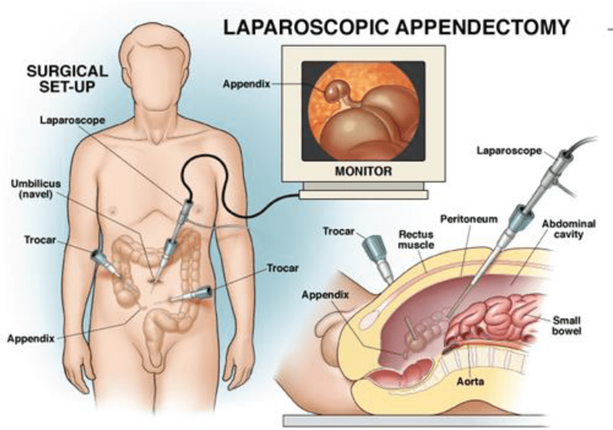
A nurse is caring for an adolescent who is 1 hr postoperative following an appendectomy.
Which of the following findings should the nurse report to the provider?
A. Muscle rigidity.
Muscle rigidity following an appendectomy could be a sign of a serious complication such as peritonitis and should be reported to the provider immediately.
B. Abdominal pain.
Choice B is wrong because abdominal pain is a common occurrence following an appendectomy and may not necessarily require immediate attention from the provider.
C. Temperature 36.4° C (97.5° F).
Choice C is wrong because a temperature of 36.4° C (97.5° F) is within the normal range.
D. Heart rate 63/min.
Choice D is wrong because a heart rate of 63/min is within the normal range for an adolescent.
This question is an excerpt from Nurse Dive's nursing test bank - ATI RN Nursing Care of Children 2019 Proctored Exam. Take the full exam now
Full Explanation
Muscle rigidity following an appendectomy could be a sign of a serious complication such as peritonitis and should be reported to the provider immediately.
Choice B is wrong because abdominal pain is a common occurrence following an appendectomy and may not necessarily require immediate attention from the provider.
Choice C is wrong because a temperature of 36.4° C (97.5° F) is within the normal range.
Choice D is wrong because a heart rate of 63/min is within the normal range for an adolescent.
Similar Questions
A charge nurse is planning care for an infant who has failure to thrive. Which of the following actions should the nurse include in the plan of care?
A. Give the infant fruit juice between feedings.
Choice A is wrong because giving an infant fruit juice between feedings does not address the underlying causes of failure to thrive.
B. Use half-strength formula when feeding the infant.
Choice B is wrong because using half-strength formula when feeding the infant can exacerbate the problem by providing insufficient nutrition.
C. Assign consistent nursing staff to care for the infant.
Consistent care from the same nursing staff can help establish a routine and build trust between the infant and caregivers.
D. Keep the infant in a visually stimulating environment.
Choice D is wrong because keeping the infant in a visually stimulating environment does not address the underlying causes of failure to thrive.
Full Explanation
Consistent care from the same nursing staff can help establish a routine and build trust between the infant and caregivers.
Choice A is wrong because giving an infant fruit juice between feedings does not address the underlying causes of failure to thrive.
Choice B is wrong because using half-strength formula when feeding the infant can exacerbate the problem by providing insufficient nutrition.
Choice D is wrong because keeping the infant in a visually stimulating environment does not address the underlying causes of failure to thrive.
A nurse is caring for an infant who receives intermittent enteral feedings through a gastrostomy tube.
Which of the following actions should the nurse take when administering a feeding? (Select all that apply.).
A. Offer the infant a pacifier during feedings.
Offering the infant a pacifier during feedings can help promote non-nutritive sucking and provide comfort to the infant.
B. Check for residual volumes by aspirating stomach contents.
Checking for residual volumes by aspirating stomach contents can help monitor gastric emptying and tolerance to enteral feeding.
C. Place the infant in supine position.
Choice C is wrong because placing the infant in a supine position during feedings increases the risk of aspiration. The infant should be placed in an upright or semi-upright position during feedings.
D. Instill the formula over a period of 30 to 45 min.
Instilling the formula over a period of 30 to 45 min can help prevent overfeeding and reduce the risk of aspiration.
E. Heat the formula to 39° C (102° F) prior to administration.
Choice E is wrong because heating the formula to 39° C (102° F) prior to administration is not necessary and may even be harmful if the formula is overheated.
Full Explanation
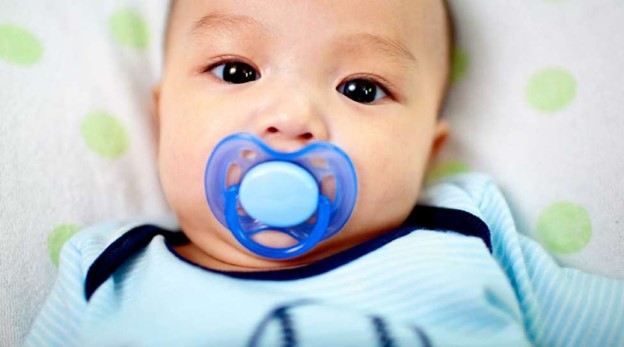
A. Offer the infant a pacifier during feedings.
B. Check for residual volumes by aspirating stomach contents.
D. Instill the formula over a period of 30 to 45 min.
Offering the infant a pacifier during feedings can help promote non-nutritive sucking and provide comfort to the infant.
Checking for residual volumes by aspirating stomach contents can help monitor gastric emptying and tolerance to enteral feeding.
Instilling the formula over a period of 30 to 45 min can help prevent overfeeding and reduce the risk of aspiration.
Choice C is wrong because placing the infant in a supine position during feedings increases the risk of aspiration.
The infant should be placed in an upright or semi-upright position during feedings.
Choice E is wrong because heating the formula to 39° C (102° F) prior to administration is not necessary and may even be harmful if the formula is overheated.
A nurse is caring for a school-age child following the application of a cast to a fractured right tibia.
Which of the following actions should the nurse take first?
A. Elevate the child's leg.
The first action the nurse should take is to elevate the child’s leg. This is choice A. Elevating the child’s leg can help reduce swelling and improve circulation. After elevating the child’s leg, the nurse can then administer pain medication (choice B), petal the edges of the cast (choice C), and teach the child about cast care (choice D).
B. Administer pain medication.
C. Petal the edges of the cast.
D. Teach the child about cast care.
Full Explanation
The first action the nurse should take is to elevate the child’s leg.
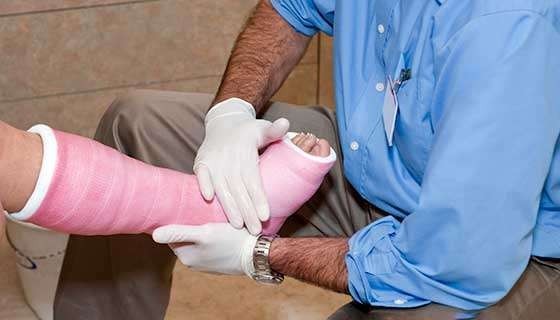
This is choice A. Elevating the child’s leg can help reduce swelling and improve circulation.
After elevating the child’s leg, the nurse can then administer pain medication (choice B), petal the edges of the cast (choice C), and teach the child about cast care (choice D).