
Nursing practice questions with comprehensive rationales
NurseDive Free Nursing Practice Question
A nurse is caring for an infant who has gastroesophageal reflux. The nurse should place the infant in which of the following positions after feeding?
A. Prone
rationale: Placing the infant in the prone position (face down) after feeding is not recommended for a baby with gastroesophageal reflux. The prone position can increase the risk of aspiration if reflux occurs while the baby is lying down.
B. Upright
rationale: For an infant with gastroesophageal reflux, placing the baby in an upright position after feeding can help prevent or reduce reflux episodes. Keeping the infant in an upright position allows gravity to assist in keeping stomach contents down and reduces the likelihood of reflux into the esophagus.
C. Right side
rationale: Placing the infant on the right side after feeding is also not recommended for managing gastroesophageal reflux. The right side position may not be as effective in preventing reflux as the upright position.
D. Left side
rationale: Placing the baby on either side after feeding is also not recommended for managing gastroesophageal reflux. The upright position is more effective in preventing reflux episodes and promoting digestion. Side-lying positions after feeding may not provide the same benefits and can potentially increase the risk of reflux.
This question is an excerpt from Nurse Dive's nursing test bank - ATI LPN Maternity Proctored Exam. Take the full exam now
Full Explanation
Choice A rationale: Placing the infant in the prone position (face down) after feeding is not recommended for a baby with gastroesophageal reflux. The prone position can increase the risk of aspiration if reflux occurs while the baby is lying down.
Choice B rationale: For an infant with gastroesophageal reflux, placing the baby in an upright position after feeding can help prevent or reduce reflux episodes. Keeping the infant in an upright position allows gravity to assist in keeping stomach contents down and reduces the likelihood of reflux into the esophagus.
Choice C rationale: Placing the infant on the right side after feeding is also not recommended for managing gastroesophageal reflux. The right side position may not be as effective in preventing reflux as the upright position.
Choice D rationale: Placing the baby on either side after feeding is also not recommended for managing gastroesophageal reflux. The upright position is more effective in preventing reflux episodes and promoting digestion. Side-lying positions after feeding may not provide the same benefits and can potentially increase the risk of reflux.
Similar Questions
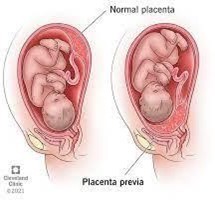
A nurse is caring for a client who is at 34 weeks of gestation and has a suspected placenta previa. Which of the following actions should the nurse take?
A. Apply ice to the perineal area.
rationale: Applying ice to the perineal area is not indicated in the case of suspected placenta previa. Placenta previa is related to the location of the placenta in the uterus and is not affected by the perineal area. Ice is commonly used for perineal discomfort after vaginal delivery but is not appropriate for placenta previa.
B. Complete a vaginal exam.
rationale: When a client is suspected to have placenta previa, a vaginal exam should be avoided because it can cause trauma to the placenta, leading to significant bleeding. Placenta previa is a condition where the placenta covers part or all of the cervix, and any disruption of the placenta can result in bleeding, which poses a risk to both the mother and the baby. Therefore, a vaginal exam is contraindicated in this situation.
C. Perform a rectal exam.
rationale: Performing a rectal exam is also not appropriate for a client with suspected placenta previa. Rectal exams do not provide any relevant information about the placenta's location, and they can potentially cause discomfort or bleeding in this situation.
D. Apply an external fetal monitor.
rationale: Applying an external fetal monitor is an appropriate action when caring for a pregnant client, regardless of whether there is a suspected placenta previa. The external fetal monitor is used to assess the baby's heart rate and uterine contractions and is a routine part of prenatal care. However, it does not specifically address the issue of placenta previa. The nurse should be vigilant for any signs of bleeding or changes in fetal heart rate pattern, which may indicate placental issues, and report them promptly for further evaluation and management.
Full Explanation
Choice A rationale: Applying ice to the perineal area is not indicated in the case of suspected placenta previa. Placenta previa is related to the location of the placenta in the uterus and is not affected by the perineal area. Ice is commonly used for perineal discomfort after vaginal delivery but is not appropriate for placenta previa.
Choice B rationale: When a client is suspected to have placenta previa, a vaginal exam should be avoided because it can cause trauma to the placenta, leading to significant bleeding. Placenta previa is a condition where the placenta covers part or all of the cervix, and any disruption of the placenta can result in bleeding, which poses a risk to both the mother and the baby. Therefore, a vaginal exam is contraindicated in this situation.
Choice C rationale: Performing a rectal exam is also not appropriate for a client with suspected placenta previa. Rectal exams do not provide any relevant information about the placenta's location, and they can potentially cause discomfort or bleeding in this situation.
Choice D rationale: Applying an external fetal monitor is an appropriate action when caring for a pregnant client, regardless of whether there is a suspected placenta previa. The external fetal monitor is used to assess the baby's heart rate and uterine contractions and is a routine part of prenatal care. However, it does not specifically address the issue of placenta previa. The nurse should be vigilant for any signs of bleeding or changes in fetal heart rate pattern, which may indicate placental issues, and report them promptly for further evaluation and management.
A nurse is reinforcing teaching about strategies to calm a newborn with a client who is postpartum. Which of the following suggestions should the nurse make? (Select all that apply.)
A. Keep the newborn in the center of a large crib.
Choice A rationale: Keeping the newborn in the center of a large crib is not a specific calming strategy and may not offer the comfort and security that the baby needs.
B. Take the newborn for a ride in the car.
Choice B rationale: Taking the newborn for a ride in the car can be a calming strategy for some babies. The gentle motion and humming sound of the car can help soothe the baby.
C. Carry the newborn in a front or backpack.
Choice C rationale: Carrying the newborn in a front or backpack can provide comfort and security to the baby. The closeness to the parent's body and the rhythmic movement can help calm the baby.
D. Allow the newborn to continue crying until she falls asleep.
Choice D rationale: Allowing the newborn to continue crying until she falls asleep is not a recommended strategy. Responding to the baby's cries and providing comfort and soothing is essential for the baby's emotional well-being.
E. Swaddle the newborn in a receiving blanket.
Choice E rationale: Swaddling the newborn in a receiving blanket can help mimic the feeling of being in the womb, providing comfort and security to the baby. It can also prevent the startle reflex and promote better sleep.
Full Explanation
Choice A rationale: Keeping the newborn in the center of a large crib is not a specific calming strategy and may not offer the comfort and security that the baby needs.
Choice B rationale: Taking the newborn for a ride in the car can be a calming strategy for some babies. The gentle motion and humming sound of the car can help soothe the baby.
Choice C rationale: Carrying the newborn in a front or backpack can provide comfort and security to the baby. The closeness to the parent's body and the rhythmic movement can help calm the baby.
Choice D rationale: Allowing the newborn to continue crying until she falls asleep is not a recommended strategy. Responding to the baby's cries and providing comfort and soothing is essential for the baby's emotional well-being.
Choice E rationale: Swaddling the newborn in a receiving blanket can help mimic the feeling of being in the womb, providing comfort and security to the baby. It can also prevent the startle reflex and promote better sleep.
A nurse is reinforcing teaching with a client who is pregnant and has hyperemesis gravidarum about nutrition at home. Which of the following statements indicates that the client understands the teaching?
A. "I will eat crackers before I get out of bed in the morning."
rationale: This statement indicates that the client understands the teaching about managing hyperemesis gravidarum. Eating crackers before getting out of bed in the morning is a common strategy to help alleviate morning sickness and hyperemesis gravidarum. Eating small, bland, and easily digestible foods before rising from bed can help prevent nausea and vomiting.
B. "I will drink water with my meals.
rationale: Drinking water with meals is not a specific strategy for managing hyperemesis gravidarum. In some cases, consuming liquids with meals might worsen nausea in clients with severe morning sickness.
C. "I will limit my protein intake."
rationale: Limiting protein intake is not a recommended strategy for managing hyperemesis gravidarum. Adequate protein intake is essential during pregnancy for proper fetal development.
D. "I will eat every 6 hours throughout the day."
rationale: Eating every 6 hours might not be sufficient for managing hyperemesis gravidarum. Frequent, small meals and snacks are often recommended to help manage nausea and vomiting in pregnancy.
Full Explanation
Choice A rationale: This statement indicates that the client understands the teaching about managing hyperemesis gravidarum. Eating crackers before getting out of bed in the morning is a common strategy to help alleviate morning sickness and hyperemesis gravidarum. Eating small, bland, and easily digestible foods before rising from bed can help prevent nausea and vomiting.
Choice B rationale: Drinking water with meals is not a specific strategy for managing hyperemesis gravidarum. In some cases, consuming liquids with meals might worsen nausea in clients with severe morning sickness.
Choice C rationale: Limiting protein intake is not a recommended strategy for managing hyperemesis gravidarum. Adequate protein intake is essential during pregnancy for proper fetal development.
Choice D rationale: Eating every 6 hours might not be sufficient for managing hyperemesis gravidarum. Frequent, small meals and snacks are often recommended to help manage nausea and vomiting in pregnancy.