
Nursing practice questions with comprehensive rationales
NurseDive Free Nursing Practice Question
A nurse is caring for an older adult client who has difficulty communicating verbally due to aphasia following a stroke.
Which of the following strategies should the nurse use to assess this client’s pain? (Select all that apply.)
A. Ask yes or no questions
This can help the client to communicate their pain level and location with minimal language difficulty.
B. Use a visual analog scale (VAS)
This is a self-report pain scale that uses a line with endpoints labeled as “no pain” and “worst pain imaginable”.The client can point to a position on the line that corresponds to their pain intensity.VAS has been shown to be feasible, valid and reliable for stroke patients with mild-to-moderate aphasia.
C. Observe for nonverbal cues
This can include facial expressions, body movements, vocalizations, and changes in vital signs that may indicate pain.Nonverbal cues are especially important for clients with severe aphasia who cannot use self-report scales.
D. Use open-ended questions
This is wrong because open-ended questions require more complex language skills and may frustrate the client with aphasia.The nurse should use simple and direct questions that can be answered with yes or no, gestures, or pointing.
E. Involve family members or caregivers (Source: https://quizlet.com/580119875/pain-management-ati-flash-cards/).
They can provide information about the client’s pain history, preferences, and behaviors that may indicate pain.They can also help the nurse communicate with the client and interpret their responses.
This question is an excerpt from Nurse Dive's nursing test bank - More questions on this topics. Take the full exam now
Full Explanation
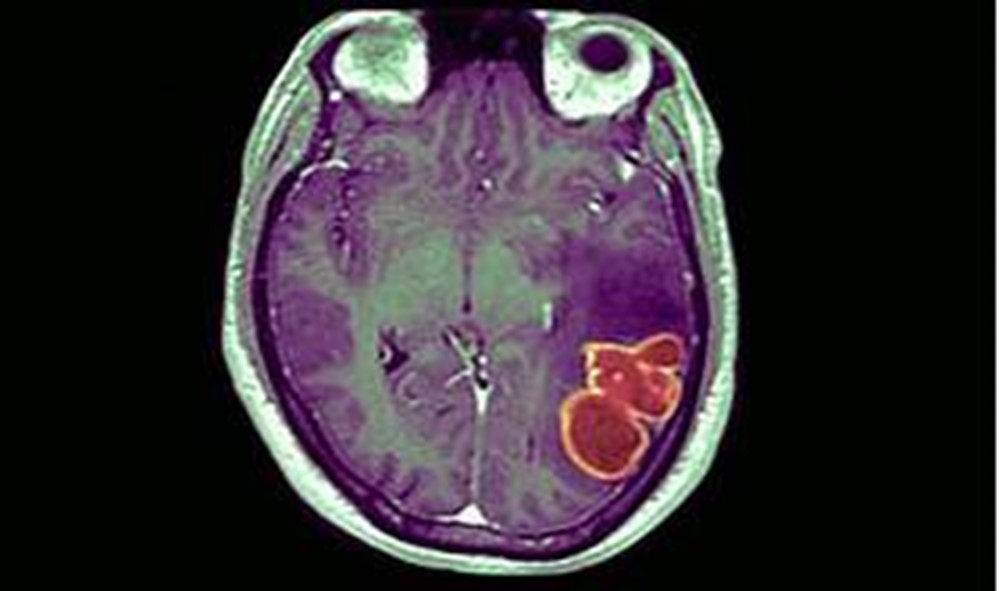
The correct answer is choice A, B, C, and E. The nurse should use the following strategies to assess this client’s pain:
• Ask yes or no questions: This can help the client to communicate their pain level and location with minimal language difficulty.
• Use a visual analog scale (VAS): This is a self-report pain scale that uses a line with endpoints labeled as “no pain” and “worst pain imaginable”. The client can point to a position on the line that corresponds to their pain intensity. VAS has been shown to be feasible, valid, and reliable for stroke patients with mild-to-moderate aphasia.
• Observe for nonverbal cues: This can include facial expressions, body movements, vocalizations, and changes in vital signs that may indicate pain. Nonverbal cues are especially important for clients with severe aphasia who cannot use self-report scales.
• Involve family members or caregivers: They can provide information about the client’s pain history, preferences, and behaviors that may indicate pain. They can also help the nurse to communicate with the client and interpret their responses.
Choice D is wrong because open-ended questions require more complex language skills and may frustrate the client with aphasia. The nurse should use simple and direct questions that can be answered with yes or no, gestures, or pointing.
Similar Questions
A nurse is caring for a patient who has been prescribed fentanyl patches for chronic cancer pain management at home. Which statement by the patient indicates that he understands how to use this medication safely?
A. “I will change the patch every other day.”
Changing the patch every other day would result in inadequate pain relief and withdrawal symptoms.
B. “I will apply the patch to a hairy area for better adhesion.”
Applying the patch to a hairy areawould interfere with the absorption of the drug and reduce its effectiveness
C. “I will remove the old patch before applying a new one.”
The patient should remove the old patch before applying a new one to avoid overdose and adverse effects of fentanyl.Fentanyl patches are designed to deliver a constant amount of opioid analgesic over a period of time, usually 72 hours.
D. “I will cut the patch in half if I need a lower dose.”.
Cutting the patch in halfwould damage the integrity of the patch and cause erratic or rapid release of the drug, which could be fatal.Fentanyl patches should be applied to a clean, dry, hairless area of intact skin on the upper torso or upper arm.
Full Explanation
The correct answer is choice C. The patient should remove the old patch before applying a new one to avoid overdose and adverse effects of fentanyl. Fentanyl patches are designed to deliver a constant amount of opioid analgesic over a period of time, usually 72 hours.
Therefore, changing the patch every other day (choice A) would result in inadequate pain relief and withdrawal symptoms.
Applying the patch to a hairy area (choice B) would interfere with the absorption of the drug and reduce its effectiveness.
Cutting the patch in half (choice D) would damage the integrity of the patch and cause erratic or rapid release of the drug, which could be fatal. Fentanyl patches should be applied to a clean, dry, hairless area of intact skin on the upper torso or upper arm.
A nurse is administering naloxone to a patient who has overdosed on heroin. What is the expected outcome of this intervention?
A. The patient will experience increased euphoria and sedation.
This is wrong because naloxone does not increase euphoria and sedation, but rather reverses them by blocking opioid receptors.
B. The patient will experience severe withdrawal symptoms and agitation
This is wrong because naloxone does not cause severe withdrawal symptoms and agitation, but rather mild to moderate ones that are not life-threatening.
C. The patient will experience decreased respiratory rate and blood pressure.
This is wrong because naloxone does not decrease respiratory rate and blood pressure, but rather increases them by reversing opioid overdose. Normal ranges for respiratory rate are 12 to 20 breaths per minute and for blood pressure are 90/60 mmHg to 120/80 mmHg.
D. The patient will experience improved mental status and oxygenation.
The patient will experience improved mental status and oxygenation.This is because naloxone is a medication that can rapidly reverse an opioid overdose by blocking the effects of opioids and restoring normal breathing.Naloxone can be given as a nasal spray or an injection.
Full Explanation
The correct answer is choice D. The patient will experience improved mental status and oxygenation. This is because naloxone is a medication that can rapidly reverse an opioid overdose by blocking the effects of opioids and restoring normal breathing. Naloxone can be given as a nasal spray or an injection.
Choice A is wrong because naloxone does not increase euphoria and sedation, but rather reverses them by blocking opioid receptors.
Choice B is wrong because naloxone does not cause severe withdrawal symptoms and agitation, but rather mild to moderate ones that are not life-threatening.
Choice C is wrong because naloxone does not decrease respiratory rate and blood pressure, but rather increases them by reversing opioid overdose.
Normal ranges for respiratory rate are 12 to 20 breaths per minute and for blood pressure are 90/60 mmHg to 120/80 mmHg.
A nurse is educating a patient who has been prescribed aspirin for the prevention of cardiovascular events. Which of the following instructions should the nurse include? (Select all that apply.)
A. Take the medication with food or milk
This is correct because taking aspirin with food or milk can reduce the risk of stomach irritation and ulcers that aspirin can cause.
B. Report any signs of bleeding or bruising
This is correct because aspirin can increase the risk of bleeding and bruising due to its antiplatelet effect.The patient should monitor for signs of bleeding such as black, tarry stools, bloody or cloudy urine, vomiting of blood or material that looks like coffee grounds, and unusual bleeding or bruising.
C. Avoid taking other NSAIDs concurrently
This is correct because taking other NSAIDs (nonsteroidal anti-inflammatory drugs) concurrently with aspirin can increase the risk of stomach ulcers and bleeding. NSAIDs include ibuprofen, naproxen, diclofenac, and others.
D. Discontinue the medication if tinnitus occurs
This is wrong because tinnitus (ringing in the ears) is a sign of aspirin toxicity and should not be ignored.The patient should stop taking aspirin and seek medical attention if they experience tinnitus, confusion, hallucinations, rapid breathing, or seizures.
E. Use enteric-coated tablets to reduce gastric irritation.
This is correct because enteric-coated tablets can reduce the gastric irritation caused by aspirin by delaying its release until it reaches the small intestine.However, enteric-coated tablets may not be as effective as regular tablets in preventing cardiovascular events.
Full Explanation
The correct answer is choice A, B, C and E. Aspirin is a medication that can prevent cardiovascular events by inhibiting platelet aggregation and reducing inflammation.
However, aspirin also has some side effects that the patient should be aware of and report to the doctor if they occur.
Choice A is correct because taking aspirin with food or milk can reduce the risk of stomach irritation and ulcers that aspirin can cause.
Choice B is correct because aspirin can increase the risk of bleeding and bruising due to its antiplatelet effect. The patient should monitor for signs of bleeding such as black, tarry stools, bloody or cloudy urine, vomiting of blood or material that looks like coffee grounds, and unusual bleeding or bruising.
Choice C is correct because taking other NSAIDs (nonsteroidal anti-inflammatory drugs) concurrently with aspirin can increase the risk of stomach ulcers and bleeding.
NSAIDs include ibuprofen, naproxen, diclofenac, and others.
Choice D is wrong because tinnitus (ringing in the ears) is a sign of aspirin toxicity and should not be ignored. The patient should stop taking aspirin and seek medical attention if they experience tinnitus, confusion, hallucinations, rapid breathing, or seizures.
Choice E is correct because enteric-coated tablets can reduce the gastric irritation caused by aspirin by delaying its release until it reaches the small intestine. However, enteric-coated tablets may not be as effective as regular tablets in preventing cardiovascular events.