
Nursing practice questions with comprehensive rationales
NurseDive Free Nursing Practice Question
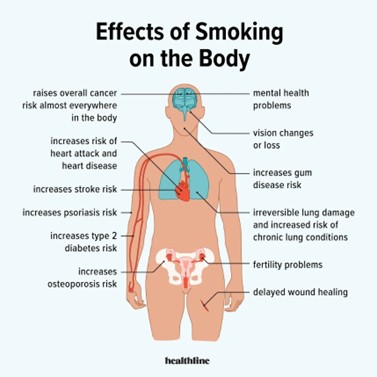
A nurse is caring for an older adult client who tells the nurse, "I have smoked one pack of cigarettes every day for the last 60 years." Which of the following actions should the nurse take next?
A. Ask what the client knows about the effects of smoking.
If a nurse is caring for an older adult client who tells the nurse that they have smoked one pack of cigarettes every day for the last 60 years, the next action the nurse should take is to ask what the client knows about the effects of smoking. This will help the nurse assess the client's knowledge and understanding of the risks associated with smoking and provide an opportunity for education.
B. Work with the client to establish a quit date.
Option b is incorrect because working with the client to establish a quit date is important but not the next intervention.
C. Suggest that the client use nicotine gum to facilitate quitting.
Option c is incorrect because suggesting that the client use nicotine gum to facilitate quitting is important but not the next intervention.
D. Refer the client to a local smoking cessation program.
Option d is incorrect because referring the client to a local smoking cessation program is important but not the next intervention.
This question is an excerpt from Nurse Dive's nursing test bank - ATI RN Fundamentals 2019 with NGN - Proctored Exam 2. Take the full exam now
Full Explanation
If a nurse is caring for an older adult client who tells the nurse that they have smoked one pack of cigarettes every day for the last 60 years, the next action the nurse should take is to ask what the client knows about the effects of smoking. This will help the nurse assess the client's knowledge and understanding of the risks associated with smoking and provide an opportunity for education.
Option b is incorrect because working with the client to establish a quit date is important but not the next intervention.
Option c is incorrect because suggesting that the client use nicotine gum to facilitate quitting is important but not the next intervention.
Option d is incorrect because referring the client to a local smoking cessation program is important but not the next intervention.
Similar Questions
A nurse is planning an educational conference about informed consent. Which of the following information should the nurse include?
A. After signing the informed consent, the client can no longer refuse the procedure.
Option a is incorrect because after signing the informed consent, the client still has the right to refuse the procedure.
B. Informed consent includes information about the potential risks of the procedure.
When planning an educational conference about informed consent, the nurse should include information about the potential risks of the procedure. Informed consent is a process in which the client is provided with information about a medical procedure or treatment, including its potential risks and benefits, so that they can make an informed decision about whether to proceed.
C. The nurse is responsible for explaining the procedure when obtaining the informed consent.
Option c is incorrect because it is not the nurse's responsibility to explain the procedure when obtaining informed consent; this is typically done by the healthcare provider performing the procedure.
D. A nursing student can witness an informed consent.
Option d is incorrect because a nursing student cannot witness an informed consent; only a licensed healthcare professional can do so.
Full Explanation
When planning an educational conference about informed consent, the nurse should include information about the potential risks of the procedure. Informed consent is a process in which the client is provided with information about a medical procedure or treatment, including its potential risks and benefits, so that they can make an informed decision about whether to proceed.
Option a is incorrect because after signing the informed consent, the client still has the right to refuse the procedure.
Option c is incorrect because it is not the nurse's responsibility to explain the procedure when obtaining informed consent; this is typically done by the healthcare provider performing the procedure.
Option d is incorrect because a nursing student cannot witness an informed consent; only a licensed healthcare professional can do so.
A nurse is caring for a client who has a chest tube following thoracic surgery. Which of the following tasks should the nurse delegate to an assistive personnel?
A. Monitor the characteristics of the client's chest tube drainage.
Option a is incorrect because monitoring the characteristics of the client's chest tube drainage requires specialized knowledge and should not be delegated.
B. Evaluate the client's response to pain medication.
Option b is incorrect because evaluating the client's response to pain medication requires specialized knowledge and should not be delegated.
C. Teach deep breathing and coughing to the client.
Option c is incorrect because teaching deep breathing and coughing to the client requires specialized knowledge and should not be delegated.
D. Assist the client to select food choices from the menu.
When caring for a client who has a chest tube following thoracic surgery, the nurse can delegate the task of assisting the client to select food choices from the menu to an assistive personnel. This task is within the scope of practice of an assistive personnel and does not require the specialized knowledge or judgment of a nurse.
Full Explanation
When caring for a client who has a chest tube following thoracic surgery, the nurse can delegate the task of assisting the client to select food choices from the menu to an assistive personnel. This task is within the scope of practice of an assistive personnel and does not require the specialized knowledge or judgment of a nurse.
Option a is incorrect because monitoring the characteristics of the client's chest tube drainage requires specialized knowledge and should not be delegated.
Option b is incorrect because evaluating the client's response to pain medication requires specialized knowledge and should not be delegated.
Option c is incorrect because teaching deep breathing and coughing to the client requires specialized knowledge and should not be delegated.
A nurse receives a new prescription over the telephone from a client's provider. Which of the following actions should the nurse take first?
A. Document the prescription as a telephone prescription in the medical record.
Option a is incorrect because documenting the prescription as a telephone prescription in the medical record is important but not the first action.
B. Read back the prescription to the provider.
Option b is incorrect because reading back the prescription to the provider is important but not the first action.
C. Ensure that the provider signs the prescription.
Option c is incorrect because ensuring that the provider signs the prescription is important but not the first action.
D. Write down the complete prescription.
When a nurse receives a new prescription over the telephone from a client's provider, the first action the nurse should take is to write down the complete prescription. This ensures that the nurse has an accurate record of the prescription and can refer to it when administering medication or providing care.
Full Explanation
When a nurse receives a new prescription over the telephone from a client's provider, the first action the nurse should take is to write down the complete prescription. This ensures that the nurse has an accurate record of the prescription and can refer to it when administering medication or providing care.
Option a is incorrect because documenting the prescription as a telephone prescription in the medical record is important but not the first action.
Option b is incorrect because reading back the prescription to the provider is important but not the first action.
Option c is incorrect because ensuring that the provider signs the prescription is important but not the first action.