
Nursing practice questions with comprehensive rationales
NurseDive Free Nursing Practice Question
A nurse is caring for four clients for whom she has to administer oral medications in the morning. The nurse should administer which of the following medications before breakfast?
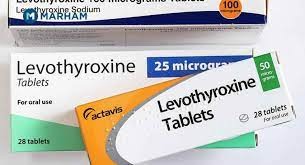
A. Levothyroxine
LevothyroxineCorrect Answer: Levothyroxine should be administered before breakfast.Explanation: Levothyroxine is a synthetic thyroid hormone used to treat hypothyroidism. It needs to be taken on an empty stomach, at least 30 minutes before eating, to ensure proper absorption. Food can interfere with its absorption, especially foods containing calcium, iron, and fiber.
B. Digoxin
DigoxinIncorrect Explanation: Digoxin does not need to be administered before breakfast. Explanation: Digoxin is a medication used to treat heart conditions like congestive heart failure and atrial fibrillation. It doesn't have specific instructions regarding administration in relation to meals. It's important to administer digoxin consistently at the same time every day, but it doesn't need to be taken specifically before or after breakfast.
C. Divalproex
DivalproexIncorrect Explanation: Divalproex does not need to be administered before breakfast.Explanation: Divalproex is used to treat conditions like epilepsy and bipolar disorder. It can be taken with or without food. While taking it with food might reduce the likelihood of stomach upset, there's no requirement to take it specifically before breakfast.
D. Mycostatin mouthwash
Mycostatin MouthwashIncorrect Explanation: Mycostatin mouthwash is not related to breakfast timing.Explanation: Mycostatin is an antifungal medication used to treat fungal infections in the mouth (oral thrush). Its administration is not linked to meal times. It's typically swished around in the mouth and then swallowed or spit out, depending on the specific instructions provided by the healthcare provider.
This question is an excerpt from Nurse Dive's nursing test bank - ATI PAEDIATRICS PROCTORED EXAM - SIMMONS U BSN. Take the full exam now
Full Explanation
A. Levothyroxine
Correct Answer: Levothyroxine should be administered before breakfast.
Explanation: Levothyroxine is a synthetic thyroid hormone used to treat hypothyroidism. It needs to be taken on an empty stomach, at least 30 minutes before eating, to ensure proper absorption. Food can interfere with its absorption, especially foods containing calcium, iron, and fiber.
B. Digoxin
Incorrect Explanation: Digoxin does not need to be administered before breakfast.
Explanation: Digoxin is a medication used to treat heart conditions like congestive heart failure and atrial fibrillation. It doesn't have specific instructions regarding administration in relation to meals. It's important to administer digoxin consistently at the same time every day, but it doesn't need to be taken specifically before or after breakfast.
C. Divalproex
Incorrect Explanation: Divalproex does not need to be administered before breakfast.
Explanation: Divalproex is used to treat conditions like epilepsy and bipolar disorder. It can be taken with or without food. While taking it with food might reduce the likelihood of stomach upset, there's no requirement to take it specifically before breakfast.
D. Mycostatin Mouthwash
Incorrect Explanation: Mycostatin mouthwash is not related to breakfast timing.
Explanation: Mycostatin is an antifungal medication used to treat fungal infections in the mouth (oral thrush). Its administration is not linked to meal times. It's typically swished around in the mouth and then swallowed or spit out, depending on the specific instructions provided by the healthcare provider.
Similar Questions
When measuring a 6-month-old baby in the hospital for seizures, the nurse obtains a head circumference that is up 1 cm from the last measurement one week ago. The nurse re-measures and gets the same number What is the best next step?
A. Assume you made a mistake and report out the same head circumference as the before
Assume you made a mistake and report out the same head circumference as before.Incorrect Explanation: Assuming a mistake without taking proper action might not be the best approach.Explanation: While it's good to consider the possibility of human error, healthcare professionals should prioritize accurate measurements and follow appropriate protocols when discrepancies arise.
B. Take Vital Signs
Take Vital Signs.Incorrect Explanation: Taking vital signs might not directly address the concern about the head circumference measurement.Explanation: Vital signs (like heart rate, respiratory rate, blood pressure) are important indicators of a patient's overall health, but they may not directly address the issue of the head circumference measurement discrepancy.
C. Report to the MD/NP/PA in charge of the patient the head circumference that you obtained as well as the patient's current status. Expect that they will also re-measure
Report to the MD/NP/PA in charge of the patient the head circumference that you obtained as well as the patient's current status. Expect that they will also re-measure. Correct Explanation: This is the best next step.Explanation: When there's a discrepancy in a critical measurement like head circumference, it's important to communicate this to the responsible healthcare provider (MD/NP/PA). They need to be aware of any changes in the patient's condition and measurements, and they will likely want to re-measure or reassess the situation themselves to ensure accuracy.
D. Move your measuring tape to above the mid-forehead, so that your number matches the findings from the week before.
Move your measuring tape to above the mid-forehead, so that your number matches the findings from the week before.Incorrect Explanation: Fudging measurements to match previous data is not a professional or ethical approach.Explanation: Altering measurements to match previous values, especially without proper indication, is not a responsible practice in healthcare. It's essential to ensure accurate and honest documentation.
Full Explanation
A. Assume you made a mistake and report out the same head circumference as before.
Incorrect Explanation: Assuming a mistake without taking proper action might not be the best approach.
Explanation: While it's good to consider the possibility of human error, healthcare professionals should prioritize accurate measurements and follow appropriate protocols when discrepancies arise.
B. Take Vital Signs.
Incorrect Explanation: Taking vital signs might not directly address the concern about the head circumference measurement.
Explanation: Vital signs (like heart rate, respiratory rate, blood pressure) are important indicators of a patient's overall health, but they may not directly address the issue of the head circumference measurement discrepancy.
C. Report to the MD/NP/PA in charge of the patient the head circumference that you obtained as well as the patient's current status. Expect that they will also re-measure.
Correct Explanation: This is the best next step.
Explanation: When there's a discrepancy in a critical measurement like head circumference, it's important to communicate this to the responsible healthcare provider (MD/NP/PA). They need to be aware of any changes in the patient's condition and measurements, and they will likely want to re-measure or reassess the situation themselves to ensure accuracy.
D. Move your measuring tape to above the mid-forehead, so that your number matches the findings from the week before.
Incorrect Explanation: Fudging measurements to match previous data is not a professional or ethical approach.
Explanation: Altering measurements to match previous values, especially without proper indication, is not a responsible practice in healthcare. It's essential to ensure accurate and honest documentation.
The nurse is teaching the parents of a child with a newly diagnosed Growth Hormone Deficiency. From the answers below, what should she include in her teaching
A. Always infantize the child
Always infantize the childIncorrect Explanation: "Infantizing" a child with a growth hormone deficiency is not a relevant or appropriate approach.Explanation: Growth hormone deficiency is a medical condition that affects a child's growth. Treating the child as an infant could potentially have negative psychological and social effects. It's important to provide appropriate support and understanding without treating the child differently due to their medical condition.
B. Monitor for leukémia
Monitor for leukemiaIncorrect Explanation: Monitoring for leukemia is not directly related to growth hormone deficiency. Explanation: Growth hormone deficiency primarily affects a child's growth and development due to inadequate production of growth hormone. While there might be certain health concerns associated with the condition, monitoring for leukemia is not a common aspect of managing growth hormone deficiency.
C. Help the parents set realistic goals based on the child's age and abilities
Help the parents set realistic goals based on the child's age and abilitiesCorrect Explanation: This is an important aspect to include in teaching.Explanation: When a child is diagnosed with growth hormone deficiency, it's crucial for parents to set realistic expectations regarding their child's growth. Growth hormone therapy can help, but it's essential to understand that the child's growth might still differ from their peers. Setting realistic goals based on the child's age and abilities can help manage expectations and provide appropriate support.
D. This illiness is only seen in males
This illness is only seen in malesIncorrect Explanation: Growth hormone deficiency is not limited to males.Explanation: Growth hormone deficiency can affect individuals of any gender. It is not exclusive to males. The condition results from insufficient production of growth hormone by the pituitary gland, and it can occur in both males and females.
Full Explanation
A. Always infantize the child
Incorrect Explanation: "Infantizing" a child with a growth hormone deficiency is not a relevant or appropriate approach.
Explanation: Growth hormone deficiency is a medical condition that affects a child's growth. Treating the child as an infant could potentially have negative psychological and social effects. It's important to provide appropriate support and understanding without treating the child differently due to their medical condition.
B. Monitor for leukemia
Incorrect Explanation: Monitoring for leukemia is not directly related to growth hormone deficiency.
Explanation: Growth hormone deficiency primarily affects a child's growth and development due to inadequate production of growth hormone. While there might be certain health concerns associated with the condition, monitoring for leukemia is not a common aspect of managing growth hormone deficiency.
C. Help the parents set realistic goals based on the child's age and abilities
Correct Explanation: This is an important aspect to include in teaching.
Explanation: When a child is diagnosed with growth hormone deficiency, it's crucial for parents to set realistic expectations regarding their child's growth. Growth hormone therapy can help, but it's essential to understand that the child's growth might still differ from their peers. Setting realistic goals based on the child's age and abilities can help manage expectations and provide appropriate support.
D. This illness is only seen in males
Incorrect Explanation: Growth hormone deficiency is not limited to males.
Explanation: Growth hormone deficiency can affect individuals of any gender. It is not exclusive to males. The condition results from insufficient production of growth hormone by the pituitary gland, and it can occur in both males and females.
The nurse is caring for a 10-year-old who has an acute head injury, has a pediatric Glasgow coma score of 9. and is unconscious. Which interventions should the nurse include in the child's care plan?
A. Elevate the head of the bed 15 to 30 degrees with head maintained a midline position.
Elevate the head of the bed 15 to 30 degrees with head maintained a midline position.Correct Explanation: This intervention is appropriate for a child with an acute head injury.Explanation: Elevating the head of the bed helps reduce intracranial pressure by facilitating venous drainage from the head. However, it's important to keep the head in a midline position to prevent neck flexion, which can obstruct venous flow. Elevating the head 15 to 30 degrees is a standard approach for managing intracranial pressure in patients with head injuries.
B. Maintain an active stimulating environment
Maintain an active stimulating environment.Incorrect Explanation: Maintaining an active stimulating environment is not suitable for a child with an acute head injury. Explanation: A child with an acute head injury should be in a quiet and calm environment. Overstimulation can worsen the condition by increasing intracranial pressure. It's important to minimize stimuli to allow the brain to heal.
C. Perform active chest percussion and suctioning every 1 to 2 hours.
Perform active chest percussion and suctioning every 1 to 2 hours.Incorrect Explanation: Chest percussion and suctioning are not relevant interventions for an acute head injury.Explanation: Active chest percussion and suctioning are typically used to manage respiratory conditions. While maintaining good respiratory function is important for overall patient care, it's not a primary intervention for an unconscious child with a head injury.
D. Instruct child on preforming active range of motion
Instruct child on performing active range of motion.Incorrect Explanation: Instructing the child on performing active range of motion is not appropriate for an unconscious child with a head injury.Explanation: An unconscious child cannot actively perform range of motion exercises. Additionally, it's not a priority intervention in the acute phase of head injury management.
Full Explanation
A. Elevate the head of the bed 15 to 30 degrees with head maintained a midline position.
Correct Explanation: This intervention is appropriate for a child with an acute head injury.
Explanation: Elevating the head of the bed helps reduce intracranial pressure by facilitating venous drainage from the head. However, it's important to keep the head in a midline position to prevent neck flexion, which can obstruct venous flow. Elevating the head 15 to 30 degrees is a standard approach for managing intracranial pressure in patients with head injuries.
B. Maintain an active stimulating environment.
Incorrect Explanation: Maintaining an active stimulating environment is not suitable for a child with an acute head injury.
Explanation: A child with an acute head injury should be in a quiet and calm environment. Overstimulation can worsen the condition by increasing intracranial pressure. It's important to minimize stimuli to allow the brain to heal.
C. Perform active chest percussion and suctioning every 1 to 2 hours.
Incorrect Explanation: Chest percussion and suctioning are not relevant interventions for an acute head injury.
Explanation: Active chest percussion and suctioning are typically used to manage respiratory conditions. While maintaining good respiratory function is important for overall patient care, it's not a primary intervention for an unconscious child with a head injury.
D. Instruct child on performing active range of motion.
Incorrect Explanation: Instructing the child on performing active range of motion is not appropriate for an unconscious child with a head injury.
Explanation: An unconscious child cannot actively perform range of motion exercises. Additionally, it's not a priority intervention in the acute phase of head injury management.