Nursing practice questions with comprehensive rationales
NurseDive Free Nursing Practice Question
A nurse is collecting data from a 10-month-old infant.
Which of the following findings should the nurse report to the provider?
A. The infant does not sit steadily without support.
At 10 months old, infants are typically able to sit steadily without support. This is a developmental milestone that should be reported to the provider if not met.
B. The infant will not play peek-a-boo.
Choice B is not an answer because playing peek-a-boo is not a typical milestone for a 10-month-old infant.
C. The infant cannot turn the pages in a book.
Choice C is not an answer because turning pages in a book is not a typical milestone for a 10-month-old infant.
D. The infant is unable to recognize objects by name.
Choice D is not an answer because recognizing objects by name is not a typical milestone for a 10-month-old infant.
This question is an excerpt from Nurse Dive's nursing test bank - ATI Custom- Wn23 NS122 Proctored Exam. Take the full exam now
Full Explanation
At 10 months old, infants are typically able to sit steadily without support.
This is a developmental milestone that should be reported to the provider if not met.

Choice B is not an answer because playing peek-a-boo is not a typical milestone for a 10-month-old infant.
Choice C is not an answer because turning pages in a book is not a typical milestone for a 10-month-old infant.
Choice D is not an answer because recognizing objects by name is not a typical milestone for a 10-month-old infant.
Similar Questions
The nurse is collecting data on an 18-month-old child with a diagnosis of autism spectrum disorder (ASD).
What clinical manifestation would likely have been noted in the child with this diagnosis?
A. The child does not make eye contact.
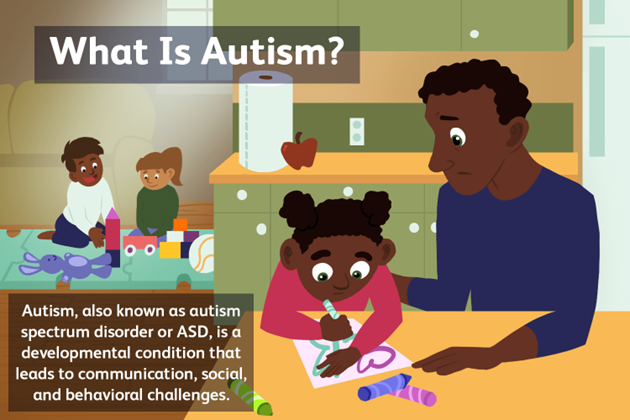
One of the common symptoms of autism spectrum disorder (ASD) is difficulty with social communication and interaction, which can include avoiding or not keeping eye contact.
B. The child sits quietly in the caregiver's lap during the interview.
Choice B is not an answer because sitting quietly in the caregiver’s lap during the interview is not a typical symptom of ASD.
C. The child smiles when the caregiver shows her a stuffed animal.
Choice C is not an answer because smiling when shown a stuffed animal is not a typical symptom of ASD.
D. The child cries and runs to the door when the caregiver leaves the room.
Choice D is not an answer because crying and running to the door when the caregiver leaves the room is not typical symptom of ASD.
Full Explanation
One of the common symptoms of autism spectrum disorder (ASD) is difficulty with social communication and interaction, which can include avoiding or not keeping eye contact.
Choice B is not an answer because sitting quietly in the caregiver’s lap during the interview is not a typical symptom of ASD.
Choice C is not an answer because smiling when shown a stuffed animal is not a typical symptom of ASD.
Choice D is not an answer because crying and running to the door when the caregiver leaves the room is not typical symptom of ASD.
The nurse discovers a new prescription for RhoGAM for a client who is about to undergo a diagnostic procedure.
The nurse will administer the RhoGAM after which procedure?
A. Amniocentesis.
This is a diagnostic procedure that involves inserting a needle into the uterus to obtain a sample of amniotic fluid for testing. This procedure can cause a small amount of fetal blood to enter the maternal circulation, which can trigger an immune response in Rh-negative women carrying Rh-positive fetuses. RhoGAM is a medication that contains antibodies against the Rh factor and prevents the mother from developing her own antibodies that could harm the fetus or future pregnancies. RhoGAM should be given within 72 hours after amniocentesis to Rh-negative women who are not already sensitized2.
B. Biophysical Profile.
Biophysical Profile is incorrect, as this is a noninvasive diagnostic procedure that involves ultrasound and fetal heart rate monitoring to assess fetal well-being. This procedure does not cause fetomaternal hemorrhage and does not require RhoGAM administration.
C. Contraction stress test.
The contraction stress test is incorrect, as this is a noninvasive diagnostic procedure that involves inducing uterine contractions and monitoring fetal heart rate response to assess fetal oxygenation. This procedure does not cause fetomaternal hemorrhage and does not require RhoGAM administration.
D. Nonstress test.
A nonstress test is incorrect, as this is a noninvasive diagnostic procedure that involves monitoring fetal heart rate and movement to assess fetal well-being. This procedure does not cause fetomaternal hemorrhage and does not require RhoGAM administration.
Full Explanation
This is a diagnostic procedure that involves inserting a needle into the uterus to obtain a sample of amniotic fluid for testing.
This procedure can cause a small amount of fetal blood to enter the maternal circulation, which can trigger an immune response in Rh-negative women carrying Rh-positive fetuses.
RhoGAM is a medication that contains antibodies against the Rh factor and prevents the mother from developing her own antibodies that could harm the fetus or future pregnancies.
RhoGAM should be given within 72 hours after amniocentesis to Rh-negative women who are not already sensitized2.
Choice B.
Biophysical Profile is incorrect, as this is a noninvasive diagnostic procedure that involves ultrasound and fetal heart rate monitoring to assess fetal well-being.
This procedure does not cause fetomaternal hemorrhage and does not require RhoGAM administration.
Choice C.
The contraction stress test is incorrect, as this is a noninvasive diagnostic procedure that involves inducing uterine contractions and monitoring fetal heart rate response to assess fetal oxygenation.
This procedure does not cause fetomaternal hemorrhage and does not require RhoGAM administration.
Choice D.
A nonstress test is incorrect, as this is a noninvasive diagnostic procedure that involves monitoring fetal heart rate and movement to assess fetal well-being.
This procedure does not cause fetomaternal hemorrhage and does not require RhoGAM administration.
Therefore, choice A is the best answer to this question.
A nurse is preparing to administer prophylactic eye ointment to a newborn to prevent ophthalmia neonatorum.
Which of the following medications should the nurse anticipate administering?
A. Nystatin.
Nystatin is incorrect, as this is an antifungal medication that is used to treat oral thrush or diaper rash in newborns, not eye infections.
B. Ceftriaxone.
Ceftriaxone is incorrect, as this is an antibiotic injection that is used to treat systemic gonorrhea infections in adults or newborns, not eye infections.
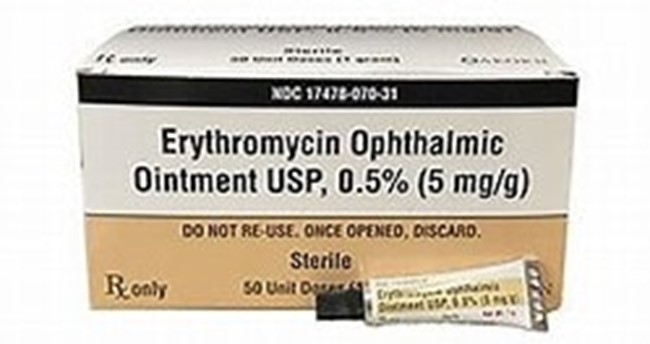
C. Erythromycin.
This is an antibiotic ointment that is applied to the eyes of newborns to prevent ophthalmia neonatorum, a serious eye infection caused by gonorrhea. Ophthalmia neonatorum can cause blindness if left untreated and can occur even if the mother does not have symptoms of gonorrhea. Erythromycin is the only drug approved by the FDA for this purpose and is mandated in most states.
D. Ofloxacin.
Ofloxacin is incorrect, as this is an antibiotic eye drop that is used to treat bacterial conjunctivitis in older children and adults, not ophthalmia neonatorum in newborns. Therefore, choice C is the best answer to this question.
Full Explanation
This is an antibiotic ointment that is applied to the eyes of newborns to prevent ophthalmia neonatorum, a serious eye infection caused by gonorrhea.
Ophthalmia neonatorum can cause blindness if left untreated and can occur even if the mother does not have symptoms of gonorrhea.
Erythromycin is the only drug approved by the FDA for this purpose and is mandated in most states.
Choice A.
Nystatin is incorrect, as this is an antifungal medication that is used to treat oral thrush or diaper rash in newborns, not eye infections.
Choice B.
Ceftriaxone is incorrect, as this is an antibiotic injection that is used to treat systemic gonorrhea infections in adults or newborns, not eye infections.
Choice D.
Ofloxacin is incorrect, as this is an antibiotic eye drop that is used to treat bacterial conjunctivitis in older children and adults, not ophthalmia neonatorum in newborns.
Therefore, choice C is the best answer to this question.