
Nursing practice questions with comprehensive rationales
NurseDive Free Nursing Practice Question
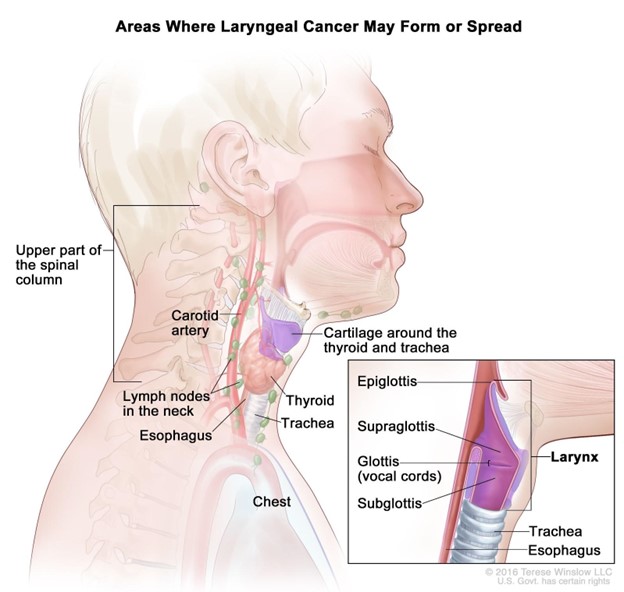
A nurse is collecting data from a client diagnosed with laryngeal cancer who is postoperative following a laryngectomy. Which of the following is a clinical manifestation of a hemorrhage?
A. Increased pain
Reason: Increased pain is not a specific sign of hemorrhage, but it may indicate inflammation, infection, or nerve damage.
B. Continuous swallowing
Reason: Continuous swallowing is a sign of hemorrhage, as it indicates that blood is accumulating in the throat or esophagus and stimulating the swallowing reflex.
C. Poor fluid intake
Reason: Poor fluid intake is not a sign of hemorrhage, but it may indicate difficulty swallowing, nausea, or dehydration.
D. Drooling
Reason: Drooling is not a sign of hemorrhage, but it may indicate impaired oral control, salivary gland damage, or infection.
This question is an excerpt from Nurse Dive's nursing test bank - ATI Med Surg Proctored Exam 3. Take the full exam now
Full Explanation
Choice A Reason: Increased pain is not a specific sign of hemorrhage, but it may indicate inflammation, infection, or nerve damage.
Choice B Reason: Continuous swallowing is a sign of hemorrhage, as it indicates that blood is accumulating in the throat or esophagus and stimulating the swallowing reflex.
Choice C Reason: Poor fluid intake is not a sign of hemorrhage, but it may indicate difficulty swallowing, nausea, or dehydration.
Choice D Reason: Drooling is not a sign of hemorrhage, but it may indicate impaired oral control, salivary gland damage, or infection.
Similar Questions
A nurse reinforces instructions to a client with hypothyroidism about the dosage, method of administration, and side effects of levothyroxine sodium. Which statement by the client indicates an understanding of the nurse's instructions?
A. If I feel nervous or have tremors, I should only take half the dose.
Reason: If I feel nervous or have tremors, I should not only take half the dose, but I should contact my healthcare provider, as these may indicate signs of overdose or hyperthyroidism.
B. I can expect diarrhea, insomnia, and excessive sweating.
Reason: I cannot expect diarrhea, insomnia, and excessive sweating, but these are possible side effects of overdose or hyperthyroidism.
C. I need to call my healthcare provider if my heart rate becomes fast.
Reason: I need to call my healthcare provider if my heart rate becomes fast, as this may indicate a serious adverse reaction or overdose of levothyroxine sodium.
D. I should take the medication in the evening.
Reason: I should not take the medication in the evening, but in the morning on an empty stomach at least 30 minutes before breakfast, as this ensures better absorption and prevents insomnia.
Full Explanation
Choice A Reason: If I feel nervous or have tremors, I should not only take half the dose, but I should contact my healthcare provider, as these may indicate signs of overdose or hyperthyroidism.
Choice B Reason: I cannot expect diarrhea, insomnia, and excessive sweating, but these are possible side effects of overdose or hyperthyroidism.
Choice C Reason: I need to call my healthcare provider if my heart rate becomes fast, as this may indicate a serious adverse reaction or overdose of levothyroxine sodium.
Choice D Reason: I should not take the medication in the evening, but in the morning on an empty stomach at least 30 minutes before breakfast, as this ensures better absorption and prevents insomnia.
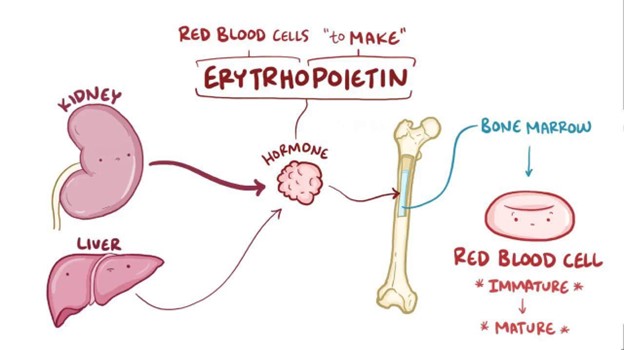
A client with chronic renal failure asks the nurse the effects of losing erythropoietin. Which of the following statements best explains the loss of this hormone?
A. Loss of erythropoietin will result in diminished immunologic function.
Reason: Loss of erythropoietin will not result in diminished immunologic function, but it may affect the production of some white blood cells and antibodies.
B. Loss of erythropoietin will result in hypertension.
Reason: Loss of erythropoietin will not result in hypertension, but it may cause hypotension due to reduced blood volume and viscosity.
C. Loss of erythropoietin will result in elevated lipid levels in the bloodstream.
Reason: Loss of erythropoietin will not result in elevated lipid levels in the bloodstream, but it may be associated with dyslipidemia due to other factors such as malnutrition, inflammation, or medication use.
D. Loss of erythropoietin will result in anemia.
Reason: Loss of erythropoietin will result in anemia, as erythropoietin is a hormone that stimulates the bone marrow to produce red blood cells.
Full Explanation
Choice A Reason: Loss of erythropoietin will not result in diminished immunologic function, but it may affect the production of some white blood cells and antibodies.
Choice B Reason: Loss of erythropoietin will not result in hypertension, but it may cause hypotension due to reduced blood volume and viscosity.
Choice C Reason: Loss of erythropoietin will not result in elevated lipid levels in the bloodstream, but it may be associated with dyslipidemia due to other factors such as malnutrition, inflammation, or medication use.
Choice D Reason: Loss of erythropoietin will result in anemia, as erythropoietin is a hormone that stimulates the bone marrow to produce red blood cells.
The nurse is completing a health assessment of a client suspected of hyperthyroidism. Which of the following clinical manifestations should the nurse expect?
A. Cold skin
Reason: Cold skin is not a common finding in hyperthyroidism, but it may indicate hypothyroidism or other conditions such as hypothermia or shock.
B. Weight gain
Reason: Weight gain is not a common finding in hyperthyroidism, but it may indicate hypothyroidism or other conditions such as Cushing's syndrome or edema.
C. Tachycardia
Reason: Tachycardia is a common finding in hyperthyroidism, as the increased thyroid hormone level causes the heart rate and cardiac output to increase.
D. Anorexia
Reason: Anorexia is not a common finding in hyperthyroidism, but it may indicate other conditions such as depression, infection, or cancer.
Full Explanation
Choice A Reason: Cold skin is not a common finding in hyperthyroidism, but it may indicate hypothyroidism or other conditions such as hypothermia or shock.
Choice B Reason: Weight gain is not a common finding in hyperthyroidism, but it may indicate hypothyroidism or other conditions such as Cushing's syndrome or edema.
Choice C Reason: Tachycardia is a common finding in hyperthyroidism, as the increased thyroid hormone level causes the heart rate and cardiac output to increase.
Choice D Reason: Anorexia is not a common finding in hyperthyroidism, but it may indicate other conditions such as depression, infection, or cancer.