
Nursing practice questions with comprehensive rationales
NurseDive Free Nursing Practice Question
A nurse is collecting data from a client who has posttraumatic stress disorder (PTSD) following a sexual assault. Which of the following is an expected finding?
A. Increasing sense of attachment to others
This is not correct because the increasing sense of attachment to others is not a typical response to sexual assault. Survivors may experience difficulties in trusting or relating to others, especially those who remind them of the assault or who do not support them.
B. Increasing feelings of anger
Increasing feelings of anger is a common symptom of PTSD after a sexual assault, as survivors may feel violated, powerless, or betrayed by the perpetrator or others. Anger can also be a way of coping with fear, anxiety, or guilt that may arise from the trauma.
C. Constant need to talk about the event
This is not correct because the constant need to talk about the event is not a characteristic of PTSD. Survivors may avoid thinking or talking about the trauma, as it can trigger distressing emotions or memories. Some survivors may choose to share their experiences with others, but this does not indicate PTSD.
D. Sleeping 12 hr or more each day
This is not correct because sleeping 12 hr or more each day is not an expected finding of PTSD after a sexual assault. Survivors may have trouble falling or staying asleep, or experience nightmares or flashbacks that disrupt their sleep quality. Sleeping too much can also be a sign of depression, which can co-occur with PTSD.
This question is an excerpt from Nurse Dive's nursing test bank - PNU Adult Health II Spring 2023 Proctored Exam 2. Take the full exam now
Full Explanation
Increasing feelings of anger are a common symptom of PTSD after a sexual assault, as survivors may feel violated, powerless, or betrayed by the perpetrator or others. Anger can also be a way of coping with fear, anxiety, or guilt that may arise from the trauma.
Choice A is not correct because the increasing sense of attachment to others is not a typical response to sexual assault. Survivors may experience difficulties in trusting or relating to others, especially those who remind them of the assault or who do not support them.
Choice C is not correct because the constant need to talk about the event is not a characteristic of PTSD. Survivors may avoid thinking or talking about the trauma, as it can trigger distressing emotions or memories. Some survivors may choose to share their experiences with others, but this does not indicate PTSD.
Choice D is not correct because sleeping 12 hr or more each day is not an expected finding of PTSD after a sexual assault. Survivors may have trouble falling or staying asleep, or experience nightmares or flashbacks that disrupt their sleep quality. Sleeping too much can also be a sign of depression, which can co-occur with PTSD.
Similar Questions
A nurse is assisting with the admission of a client to an acute mental health unit following a suicide attempt. The client has a history of depression, substance abuse, and anorexia nervosa. Which of the following actions should the nurse take first?
A. Initiate one-to-one nursing observation.
Initiate one-to-one nursing observation, as this is the most urgent intervention to ensure the safety of the client. The client has a history of depression, substance abuse, anorexia nervosa, and attempted suicide, which indicates that they are at high risk for harm to themselves. One-to-one observation involves an assigned staff member who will be with the client at all times, ensuring their safety and preventing any further self-harm attempts.
B. Make a contract with the client for weight gain.
Making a contract with the client for weight gain is not an appropriate first action as it does not address the client's immediate safety concerns.
C. Administer the Hamilton depression scale.
Administering the Hamilton depression scale may be important to assess the client's depressive symptoms but is not the most urgent priority.
D. Review the client's toxicology laboratory report.
Reviewing the client's toxicology laboratory report may be necessary for the overall assessment of the client, but safety comes first.
Full Explanation
initiate one-to-one nursing observation, as this is the most urgent intervention to ensure the safety of the client. The client has a history of depression, substance abuse, anorexia nervosa, and attempted suicide, which indicates that they are at high risk for harm to themselves. One-to-one observation involves an assigned staff member who will be with the client at all times, ensuring their safety and preventing any further self-harm attempts.
Choice B, making a contract with the client for weight gain, is not an appropriate first action as it does not address the client's immediate safety concerns.
Choice C, administering the Hamilton depression scale, may be important to assess the client's depressive symptoms but is not the most urgent priority.
Choice D, reviewing the client's toxicology laboratory report, may be necessary for the overall assessment of the client, but safety comes first.
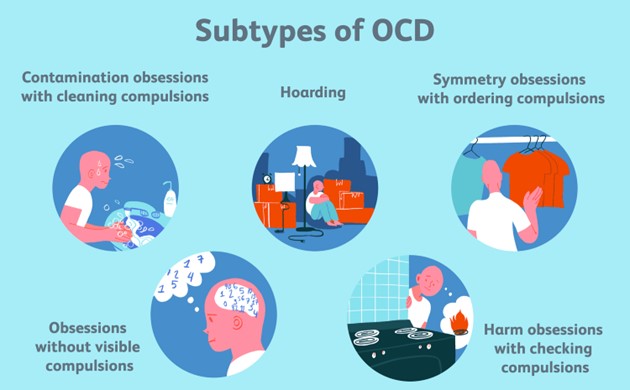
A nurse is collecting data from a client who has obsessive-compulsive disorder (OCD) and finds that the client demonstrates constant repetitive cleaning. The nurse should realize that the client's repetitive behaviors occur due to which of the following?
A. The client's attempt to decrease anxiety.
As clients with obsessive-compulsive disorder (OCD) often demonstrate repetitive behaviors to decrease anxiety. Cleaning or other repetitive behaviors help the client with OCD to cope with their anxiety by providing a sense of control over their environment.
B. The client's wish to decrease the time available for interaction with others.
The client's wish to decrease the time available for interaction with others is not a characteristic of OCD and does not explain the client's behavior. Choice C, the client's unconscious need to manipulate others, is a personality trait that is not associated with OCD.
C. The client's unconscious need to manipulate others.
The client's unconscious need to manipulate others, is a personality trait that is not associated with OCD.
D. The client's delusion that cleaning is necessary.
The client's delusion that cleaning is necessary, is not an accurate explanation for the behavior in this situation as the client is aware of their excessive cleaning behavior and it is not a delusion. The repetitive behavior is related to the client's anxiety, not a delusional belief.
Full Explanation
As clients with obsessive-compulsive disorder (OCD) often demonstrate repetitive behaviors to decrease anxiety. Cleaning or other repetitive behaviors help the client with OCD to cope with their anxiety by providing a sense of control over their environment.
 Choice B, the client's wish to decrease the time available for interaction with others, is not a characteristic of OCD and does not explain the client's behavior. Choice C, the client's unconscious need to manipulate others, is a personality trait that is not associated with OCD.
Choice D, the client's delusion that cleaning is necessary, is not an accurate explanation for the behavior in this situation as the client is aware of their excessive cleaning behavior and it is not a delusion. The repetitive behavior is related to the client's anxiety, not a delusional belief.
A nurse is caring for a client who reports a state of increasing anxiety and the inability to sleep and concentrate. Which of the following is an appropriate response by the nurse?
A. "It sounds like you're having a difficult time."
A) "It sounds like you're having a difficult time": This response is empathetic and acknowledges the client's distress. By validating the client's feelings, the nurse provides support and opens the door for further discussion about their anxiety and related symptoms. This approach can help the client feel understood and encourage them to share more about their experience.
B. "Have you talked to your provider about this yet?"
B) "Have you talked to your provider about this yet?": While it is important for the client to communicate their symptoms to their provider, this response might come across as dismissive of the client's immediate emotional state. It could be more supportive to first acknowledge the client's current experience before suggesting further actions.
C. "Everyone has trouble sleeping at times."
C) "Everyone has trouble sleeping at times": This response may minimize the client's concerns and fail to address their specific experience. It can come off as invalidating by suggesting that their situation is normal and not warranting further exploration or support.
D. "Why do you think you are so anxious?"
D) "Why do you think you are so anxious?": Asking why the client feels anxious might be perceived as interrogative rather than supportive. This approach could put pressure on the client to explain their feelings, which might not be productive if they are struggling to articulate their emotions or causes of anxiety.
Full Explanation
Answer: A. "It sounds like you're having a difficult time."
Rationale:
A) "It sounds like you're having a difficult time":
This response is empathetic and acknowledges the client's distress. By validating the client's feelings, the nurse provides support and opens the door for further discussion about their anxiety and related symptoms. This approach can help the client feel understood and encourage them to share more about their experience.
B) "Have you talked to your provider about this yet?":
While it is important for the client to communicate their symptoms to their provider, this response might come across as dismissive of the client's immediate emotional state. It could be more supportive to first acknowledge the client's current experience before suggesting further actions.
C) "Everyone has trouble sleeping at times":
This response may minimize the client's concerns and fail to address their specific experience. It can come off as invalidating by suggesting that their situation is normal and not warranting further exploration or support.
D) "Why do you think you are so anxious?":
Asking why the client feels anxious might be perceived as interrogative rather than supportive. This approach could put pressure on the client to explain their feelings, which might not be productive if they are struggling to articulate their emotions or causes of anxiety.