
Nursing practice questions with comprehensive rationales
NurseDive Free Nursing Practice Question
A nurse is collecting data from a client who has substance use disorder and reports recently taking opioids.
Which of the following findings should the nurse identify as a manifestation of opioid intoxication?
A. Tachycardia
Tachycardia (rapid heart rate) is more commonly associated with stimulant use rather than opioids.
B. Mental alertness
Mental alertness is typically reduced in cases of opioid intoxication, as opioids cause sedation and CNS depression.
C. Hyperreflexia
Hyperreflexia (exaggerated reflexes) is not a typical finding in opioid intoxication; instead, it may occur in withdrawal from certain substances such as alcohol or benzodiazepines.
D. Pinpoint pupils
Opioid intoxication is characterized by various signs and symptoms, including central nervous system depression. One common manifestation of opioid intoxication is pinpoint pupils (miosis), which is caused by the effect of opioids on the pupillary constrictor muscles. The pupils become constricted and appear as small dots, hence the term "pinpoint."
This question is an excerpt from Nurse Dive's nursing test bank - VATI PN Comprehensive Predictor 2020 Proctored Exam. Take the full exam now
Full Explanation
d. Pinpoint pupils.
Explanation:
Opioid intoxication is characterized by various signs and symptoms, including central nervous system depression. One common manifestation of opioid intoxication is pinpoint pupils (miosis), which is caused by the effect of opioids on the pupillary constrictor muscles. The pupils become constricted and appear as small dots, hence the term "pinpoint."
The other options are not typical manifestations of opioid intoxication. Tachycardia (rapid heart rate) is more commonly associated with stimulant use rather than opioids. Mental alertness is typically reduced in cases of opioid intoxication, as opioids cause sedation and CNS depression. Hyperreflexia (exaggerated reflexes) is not a typical finding in opioid intoxication; instead, it may occur in withdrawal from certain substances such as alcohol or benzodiazepines.
Similar Questions
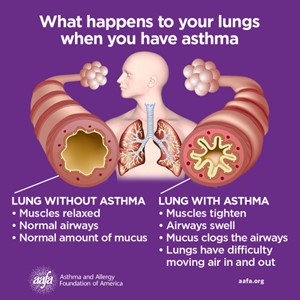
A nurse is collecting data from a client who has asthma. Which of the following prescribed medications should the nurse administer first for severe wheezing?
A. Bronchodilators
The nurse should administer bronchodilators first for severe wheezing. Bronchodilators work by relaxing the muscles in the airways, which helps to open them up and make it easier to breathe.
B. Beta blocker
Beta blockers are not typically used to treat asthma and can actually worsen symptoms in some clients.
C. Inhaled steroids
Inhaled steroids are used to reduce inflammation in the airways over time and are not typically used for immediate relief of severe wheezing.
D. Anti-inflammatory agent
Anti-inflammatory agents are used to reduce inflammation in the airways over time and are not typically used for immediate relief of severe wheezing.
Full Explanation
The nurse should administer bronchodilators first for severe wheezing. Bronchodilators work by relaxing the muscles in the airways, which helps to open them up and make it easier to breathe.
Option b is incorrect because beta blockers are not typically used to treat asthma and can actually worsen symptoms in some clients.
Option c is incorrect because inhaled steroids are used to reduce inflammation in the airways over time and are not typically used for immediate relief of severe wheezing.
Option d is incorrect because anti-inflammatory agents are used to reduce inflammation in the airways over time and are not typically used for immediate relief of severe wheezing.
A nurse is reinforcing teaching about a safety plan for a client who reports partner violence. Which of the following instructions should the nurse include?
A. "Call a shelter in another county."
Calling a shelter in another county may not be the most practical or effective option for the client.
B. "Leave your partner immediately."
Leaving an abusive partner immediately may not always be the safest option for the client.
C. "Keep a packed bag by your front door."
Keeping a packed bag by the front door may not be the most practical or effective option for the client.
D. "Rehearse your escape route."
The nurse should include the instruction to "Rehearse your escape route" in the safety plan for a client who reports partner violence. A safety plan is a personalized and practical plan on how to remain safe in an abusive relationship while preparing to leave when the timing is right and safe to do so. Rehearsing an escape route can help the client be prepared and know what to do in case they need to leave quickly.
Full Explanation
The nurse should include the instruction to "Rehearse your escape route" in the safety plan for a client who reports partner violence. A safety plan is a personalized and practical plan on how to remain safe in an abusive relationship while preparing to leave when the timing is right and safe to do so . Rehearsing an escape route can help the client be prepared and know what to do in case they need to leave quickly.
Option a is incorrect because calling a shelter in another county may not be the most practical or effective option for the client.
Option b is incorrect because leaving an abusive partner immediately may not always be the safest option for the client.
Option c is incorrect because keeping a packed bag by the front door may not be the most practical or effective option for the client.
A nurse is collecting data from an 18-month-old toddler at a well-child visit.
Which of the following findings should the nurse report to the provider?
A. The toddler can remove her own socks.
Is an examples of normal developmental skills for a toddler of this age.
B. The toddler has a security blanket.
Is an examples of normal developmental skills for a toddler of this age.
C. The toddler can say four words.
The nurse should report to the provider that the toddler can say four words. At 18 months, a toddler typically has a vocabulary of about 6 to 20 words and is beginning to combine words into simple phrases. If the toddler is only able to say four words or has a delay in language development, it could be a cause for concern and warrant further evaluation.
D. The toddler throws a ball without falling.
Is an examples of normal developmental skills for a toddler of this age.
Full Explanation
c. The toddler can say four words.
Explanation:
The nurse should report to the provider that the toddler can say four words. At 18 months, a toddler typically has a vocabulary of about 6 to 20 words and is beginning to combine words into simple phrases. If the toddler is only able to say four words or has a delay in language development, it could be a cause for concern and warrant further evaluation.
The other options are age-appropriate developmental milestones for an 18-month-old toddler and do not require immediate reporting to the provider. The ability to remove socks, having a security blanket, and throwing a ball without falling are all examples of normal developmental skills for a toddler of this age.