
Nursing practice questions with comprehensive rationales
NurseDive Free Nursing Practice Question
A nurse is collecting data from a client who is 12 hr postpartum. Which of the following findings should the nurse expect?
A. Fundus soft, 2 fingerbreadths below the umbilicus.
A soft fundus indicates uterine atony, which is a lack of muscle tone that can lead to postpartum hemorrhage. A soft fundus is an abnormal finding and should be reported to the provider. The fundus should be firm and contracted to prevent bleeding.
B. Fundus firm, 2 fingerbreadths above the umbilicus.
A fundus that is 2 fingerbreadths above the umbilicus is too high for a client who is 12 hours postpartum. The fundus should descend about 1 centimeter per hour after delivery and should be at the level of the umbilicus at 12 hours postpartum. A high fundus could indicate retained placental fragments or a full bladder, both of which can interfere with uterine contraction and cause bleeding.
C. Fundus soft, to the right of the umbilicus.
A fundus that is deviated to the right of the umbilicus is also an abnormal finding for a client who is 12 hours postpartum. A deviated fundus could indicate a full bladder, which can displace the uterus and prevent it from contracting properly. The fundus should be at the midline of the abdomen.
D. Fundus firm, at the level of the umbilicus.
A fundus that is firm and at the level of the umbilicus is a normal finding for a client who is 12 hours postpartum. This indicates that the uterus is involuting (returning to its pre-pregnancy size and shape) and that there is no excessive bleeding. The nurse should expect this finding and document it accordingly.
This question is an excerpt from Nurse Dive's nursing test bank - ATI Custom Maternity Final 23D Proctored Exam. Take the full exam now
Full Explanation
Choice A reason:
A soft fundus indicates uterine atony, which is a lack of muscle tone that can lead to postpartum hemorrhage. A soft fundus is an abnormal finding and should be reported to the provider. The fundus should be firm and contracted to prevent bleeding.
Choice B reason:
A fundus that is 2 fingerbreadths above the umbilicus is too high for a client who is 12 hours postpartum. The fundus should descend about 1 centimeter per hour after delivery and should be at the level of the umbilicus at 12 hours postpartum. A high fundus could indicate retained placental fragments or a full bladder, both of which can interfere with uterine contraction and cause bleeding.
Choice C reason:
A fundus that is deviated to the right of the umbilicus is also an abnormal finding for a client who is 12 hours postpartum. A deviated fundus could indicate a full bladder, which can displace the uterus and prevent it from contracting properly. The fundus should be at the midline of the abdomen.
Choice D reason:
A fundus that is firm and at the level of the umbilicus is a normal finding for a client who is 12 hours postpartum. This indicates that the uterus is involuting (returning to its pre-pregnancy size and shape) and that there is no excessive bleeding. The nurse should expect this finding and document it accordingly.
Similar Questions
A nurse is assisting a nurse midwife in examining a client who is a primigravida at 42 weeks of gestation and states that she thinks she is in labor. Which of the following findings confirm that the client is in labor?
A. Contractions every 3 to 4 min.
Contractions every 3 to 4 min are not a definitive sign of labor, as they can also occur in false labor or Braxton Hicks contractions. These are irregular and do not cause cervical changes.
B. Cervical dilation.
Cervical dilation is the most reliable indicator of true labor, as it shows that the uterus is contracting effectively and preparing for delivery. Cervical dilation is measured in centimeters from 0 to 10, with 10 being fully dilated.
C. Pain just above the navel.
Pain just above the navel is not a sign of labor, but rather a possible sign of an abdominal problem such as appendicitis or gallbladder disease. Labor pain usually starts in the lower back and radiates to the abdomen and thighs.
D. Amniotic fluid in the vaginal vault.
Amniotic fluid in the vaginal vault is not a conclusive sign of labor, as it can also result from a premature rupture of membranes (PROM) or a high leak of amniotic fluid. PROM occurs when the amniotic sac breaks before the onset of labor, which can increase the risk of infection and complications for the mother and the baby.
Full Explanation
Choice A reason:
Contractions every 3 to 4 min are not a definitive sign of labor, as they can also occur in false labor or Braxton Hicks contractions. These are irregular and do not cause cervical changes.
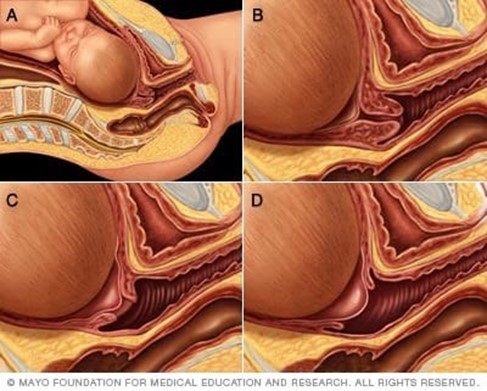
Choice B reason:
Cervical dilation is the most reliable indicator of true labor, as it shows that the uterus is contracting effectively and preparing for delivery. Cervical dilation is measured in centimeters from 0 to 10, with 10 being fully dilated.
Choice C reason:
Pain just above the navel is not a sign of labor, but rather a possible sign of an abdominal problem such as appendicitis or gallbladder disease. Labor pain usually starts in the lower back and radiates to the abdomen and thighs.
Choice D reason:
Amniotic fluid in the vaginal vault is not a conclusive sign of labor, as it can also result from a premature rupture of membranes (PROM) or a high leak of amniotic fluid. PROM occurs when the amniotic sac breaks before the onset of labor, which can increase the risk of infection and complications for the mother and the baby.
A nurse is assisting with the care of a client who has severe preeclampsia and is receiving magnesium sulfate IV at 2 g/hr. Which of the following findings indicates that it is safe for the nurse to continue the infusion?
A. Diminished deep-tendon reflexes.
Diminished deep-tendon reflexes are a sign of magnesium toxicity, not safety. Magnesium sulfate is a central nervous system depressant that can cause muscle weakness, respiratory depression, and cardiac arrest if given in excess. The nurse should monitor the client's deep-tendon reflexes and stop the infusion if they are absent or reduced.
B. Respiratory rate of 16/min.
A respiratory rate of 16/min is a normal finding and indicates that the client is not experiencing respiratory depression from magnesium sulfate. The nurse should monitor the client's respiratory rate and stop the infusion if it falls below 12/min.
C. Heart rate of 60/min.
A Heart rate of 60/min is a normal finding and indicates that the client is not experiencing bradycardia from magnesium sulfate. The nurse should monitor the client's heart rate and stop the infusion if it falls below 50/min.
D. Urine output of 50 mL in 4 hr.
Urine output of 50 mL in 4 hr is a sign of oliguria, not safety. Magnesium sulfate can cause renal impairment and fluid retention if given in excess. The nurse should monitor the client's urine output and stop the infusion if it falls below 30 mL/hr.
Full Explanation
Choice A reason:
Diminished deep-tendon reflexes are a sign of magnesium toxicity, not safety. Magnesium sulfate is a central nervous system depressant that can cause muscle weakness, respiratory depression, and cardiac arrest if given in excess. The nurse should monitor the client's deep-tendon reflexes and stop the infusion if they are absent or reduced.
Choice B reason:
A respiratory rate of 16/min is a normal finding and indicates that the client is not experiencing respiratory depression from magnesium sulfate. The nurse should monitor the client's respiratory rate and stop the infusion if it falls below 12/min.
Choice C reason:
A heart rate of 60/min is a normal finding and indicates that the client is not experiencing bradycardia from magnesium sulfate. The nurse should monitor the client's heart rate and stop the infusion if it falls below 50/min.
Choice D reason:
Urine output of 50 mL in 4 hr is a sign of oliguria, not safety. Magnesium sulfate can cause renal impairment and fluid retention if given in excess. The nurse should monitor the client's urine output and stop the infusion if it falls below 30 mL/hr.
A nurse is collecting data from a newborn and notes a swollen area on the head that does not cross the suture line. The nurse should document this finding as which of the following?
A. Nevus flammeus
Nevus flammeus is a port-wine stain, a type of birthmark that is present at birth and does not fade over time. It is caused by a malformation of capillaries in the skin and appears as a reddish-purple patch. It can occur anywhere on the body but is not associated with swelling or suture lines.
B. Cephalhematoma
Cephalhematoma is a collection of blood under the periosteum of the skull bone, usually caused by trauma during delivery. It appears as a swollen area on the head that does not cross the suture line because it is limited by the boundaries of the bone. It usually resolves within a few weeks or months without treatment.
C. Molding
Molding is the temporary change in the shape of the newborn's head due to the pressure of the birth canal during delivery. It results in an elongated or cone-shaped head that may cross the suture line. It usually resolves within a few days as the skull bones return to their normal position.
D. Caput succedaneum
Caput succedaneum is a localized swelling of the scalp, usually caused by pressure from the cervix or vacuum extraction during delivery. It appears as a soft, puffy area on the head that crosses the suture line because it is not limited by the bone. It usually resolves within a few days without treatment.
Full Explanation
Choice A reason:
Nevus flammeus is a port-wine stain, a type of birthmark that is present at birth and does not fade over time. It is caused by a malformation of capillaries in the skin and appears as a reddish-purple patch. It can occur anywhere on the body but is not associated with swelling or suture lines.
Choice B reason:
Cephalhematoma is a collection of blood under the periosteum of the skull bone, usually caused by trauma during delivery. It appears as a swollen area on the head that does not cross the suture line because it is limited by the boundaries of the bone. It usually resolves within a few weeks or months without treatment.
Choice C reason:
Molding is the temporary change in the shape of the newborn's head due to the pressure of the birth canal during delivery. It results in an elongated or cone-shaped head that may cross the suture line. It usually resolves within a few days as the skull bones return to their normal position.
Choice D reason:
Caput succedaneum is a localized swelling of the scalp, usually caused by pressure from the cervix or vacuum extraction during delivery. It appears as a soft, puffy area on the head that crosses the suture line because it is not limited by the bone. It usually resolves within a few days without treatment.