
Nursing practice questions with comprehensive rationales
NurseDive Free Nursing Practice Question
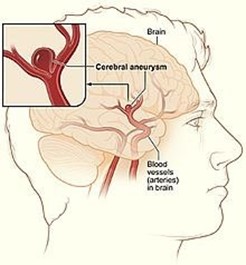
A nurse is collecting data from a client who is 6 days post craniotomy for removal of an intracerebral aneurysm. The nurse should monitor the client for which of the following manifestations of increased intracranial pressure?
A. Peripheral edema
Peripheral edema is not a manifestation of increased intracranial pressure. Peripheral edema is swelling in the extremities and can be caused by a variety of conditions.pulses can indicate poor circulation to the feet and can be caused by a variety of conditions.
B. Diarrhea
Diarrhea is not a manifestation of increased intracranial pressure. Diarrhea is loose or watery stools and can be caused by a variety of conditions.
C. Decreased pedal pulses
Decreased pedal pulses are not a manifestation of increased intracranial pressure. Decreased pedal pulses can indicate poor circulation to the feet and can be caused by a variety of conditions.
D. Hypertension
A nurse collecting data from a client who is 6 days post craniotomy for removal of an intracerebral aneurysm should monitor the client for hypertension as a manifestation of increased intracranial pressure. Increased intracranial pressure can cause changes in blood pressure, including hypertension.
This question is an excerpt from Nurse Dive's nursing test bank - ATI Custom MS Nurse Proctored Exam. Take the full exam now
Full Explanation
A nurse collecting data from a client who is 6 days post craniotomy for removal of an intracerebral aneurysm should monitor the client for hypertension as a manifestation of increased intracranial pressure. Increased intracranial pressure can cause changes in blood pressure, including hypertension.
a. Peripheral edema is not a manifestation of increased intracranial pressure. Peripheral edema is swelling in the extremities and can be caused by a variety of conditions.
b. Diarrhea is not a manifestation of increased intracranial pressure. Diarrhea is loose or watery stools and
can be caused by a variety of conditions.
c. Decreased pedal pulses are not a manifestation of increased intracranial pressure. Decreased pedal
pulses can indicate poor circulation to the feet and can be caused by a variety of conditions.
Similar Questions
A nurse is contributing to the plan of care for a client who is postoperative following a total hip arthroplasty. Which of the following information should the nurse include?
A. Position the lower extremities so that they are touching
Positioning the lower extremities so that they are touching is not necessary for a client who is postoperative following a total hip arthroplasty. The position of the lower extremities should be determined by the surgeon's instructions and the client's comfort.
B. Ensure that the client's heels are touching the bed.
Ensuring that the client's heels are touching the bed is not necessary for a client who is postoperative following a total hip arthroplasty. The position of the heels should be determined by the surgeon's instructions and the client's comfort.
C. Prevent hip flexion of the affected extremity.
When contributing to the plan of care for a client who is postoperative following a total hip arthroplasty, the nurse should include information on preventing hip flexion of the affected extremity. This can help prevent dislocation of the new hip joint and promote healing.
D. Instruct the client to avoid movement of the affected leg.
Instructing the client to avoid movement of the affected leg is not necessary for a client who is postoperative following a total hip arthroplasty. The client will need to begin moving and exercising the affected leg as part of their rehabilitation and recovery.
Full Explanation
When contributing to the plan of care for a client who is postoperative following a total hip arthroplasty, the nurse should include information on preventing hip flexion of the affected extremity. This can help prevent dislocation of the new hip joint and promote healing.
a. Positioning the lower extremities so that they are touching is not necessary for a client who is postoperative following a total hip arthroplasty. The position of the lower extremities should be determined by the surgeon's instructions and the client's comfort.
b. Ensuring that the client's heels are touching the bed is not necessary for a client who is postoperative following a total hip arthroplasty. The position of the heels should be determined by the surgeon's instructions and the client's comfort.
d. Instructing the client to avoid movement of the affected leg is not necessary for a client who is postoperative following a total hip arthroplasty. The client will need to begin moving and exercising the affected leg as part of their rehabilitation and recovery.
A client returns to the surgical unit from the PACU in skeletal traction. The nurses should take action to correct. Which of the following problems with the traction setup?
A. The weights rest against the foot of the bed.
If a client returns to the surgical unit from the PACU in skeletal traction and the weights rest against the foot of the bed, the nurse should take action to correct this problem with the traction setup. The weights should be hanging freely and not touching any part of the bed or floor. This ensures that the traction is providing the appropriate amount of force to the affected limb. The other options listed are not problems with the traction setup. The ropes should be in the center of the wheel grooves, the weights should be equal on each side, and the ropes should attach securely to the pin.
B. The ropes are in the center of the wheel grooves.
C. The weights are equal on each side.
D. The ropes atach securely to the pin
Full Explanation
If a client returns to the surgical unit from the PACU in skeletal traction and the weights rest against the foot of the bed, the nurse should take action to correct this problem with the traction setup. The weights should be hanging freely and not touching any part of the bed or floor. This ensures that the traction is providing the appropriate amount of force to the affected limb.
The other options listed are not problems with the traction setup. The ropes should be in the center of the wheel grooves, the weights should be equal on each side, and the ropes should attach securely to the pin.
A nurse is contributing to the plan of care for a client to achieve the outcome of functional healing of a fracture. Which of the following nursing interventions is the highest priority to assist in meeting this outcome?
A. Promote independence in activities of daily living for the client.
Promoting independence in activities of daily living for the client is important, but it is not the highest priority intervention for achieving functional healing of a fracture.
B. Provide relief from pain and discomfort for the client.
Providing relief from pain and discomfort for the client is important, but it is not the highest priority intervention for achieving functional healing of a fracture.
C. Maintain immobilization and alignment for the client.
When contributing to the plan of care for a client to achieve the outcome of functional healing of a fracture, the highest priority nursing intervention to assist in meeting this outcome is to maintain immobilization and alignment for the client. This helps to ensure that the bones are in the correct position to heal properly and can prevent complications such as malunion or nonunion.
D. Provide optimal nutrition and hydration for the client.
Providing optimal nutrition and hydration for the client is important, but it is not the highest priority intervention for achieving functional healing of a fracture.
Full Explanation
When contributing to the plan of care for a client to achieve the outcome of functional healing of a fracture, the highest priority nursing intervention to assist in meeting this outcome is to maintain immobilization and alignment for the client. This helps to ensure that the bones are in the correct position to heal properly and can prevent complications such as malunion or nonunion.
a. Promoting independence in activities of daily living for the client is important, but it is not the highest priority intervention for achieving functional healing of a fracture.
b. Providing relief from pain and discomfort for the client is important, but it is not the highest priority intervention for achieving functional healing of a fracture.
d. Providing optimal nutrition and hydration for the client is important, but it is not the highest priority intervention for achieving functional healing of a fracture.