
Nursing practice questions with comprehensive rationales
NurseDive Free Nursing Practice Question
A nurse is collecting data from a client who is at 20 weeks of gestation and has been taking ferrous sulfate. For which of the following findings should the nurse monitor as a common adverse effect of iron supplementation and report to the provider?
A. Dry mouth
Dry mouth is not a common adverse effect of iron supplementation. It is more commonly associated with medications that can cause xerostomia (dry mouth), such as certain antihistamines or anticholinergic drugs.
B. Tinnitus
Tinnitus, a perception of ringing or noise in the ears, is not typically associated with iron supplementation. Tinnitus can be caused by various factors, such as exposure to loud noises, ear infections, or certain medications, but it is not directly related to iron supplementation.
C. Constipation
Iron supplementation commonly causes constipation, which is due to the iron's effect of slowing down bowel movements and increasing water absorption in the intestines.
D. Hematuria
Hematuria, the presence of blood in the urine, is not a common adverse effect of iron supplementation. It can be caused by various conditions affecting the urinary system, such as urinary tract infections, kidney stones, or bladder issues, but it is not directly related to iron supplementation.
This question is an excerpt from Nurse Dive's nursing test bank - PN Comprehensive Predictor PN 2020 Proctored Exam. Take the full exam now
Full Explanation
Iron supplementation commonly causes constipation, which is due to the iron's effect of slowing down bowel movements and increasing water absorption in the intestines.
Dry mouth is not a common adverse effect of iron supplementation. It is more commonly associated with medications that can cause xerostomia (dry mouth), such as certain antihistamines or anticholinergic drugs.
Tinnitus, a perception of ringing or noise in the ears, is not typically associated with iron supplementation. Tinnitus can be caused by various factors, such as exposure to loud noises, ear infections, or certain medications, but it is not directly related to iron supplementation.
Hematuria, the presence of blood in the urine, is not a common adverse effect of iron supplementation. It can be caused by various conditions affecting the urinary system, such as urinary tract infections, kidney stones, or bladder issues, but it is not directly related to iron supplementation.

Similar Questions
A nurse is caring for an older adult client who reports dry, itchy skin. Which of the following actions should the nurse take?
A. Encourage the client to bathe frequently.
Frequent bathing can actually worsen dry, itchy skin as it can strip away the natural oils that help moisturize the skin. Instead, the nurse should encourage the client to limit bathing to shorter durations using lukewarm water and gentle, fragrance-free cleansers.
B. Apply powder to the client's skin.
Powder may not provide significant relief for dry, itchy skin and can potentially irritate the skin further. It is best to focus on moisturizing and hydrating the skin to alleviate the symptoms.
C. Add moisturizing oil to the client's bath water.
While this might seem helpful, oils in the bath can create a slippery surface, posing a fall risk, especially for older adults. Additionally, oils might not provide sufficient hydration to the skin and could leave a residue that is not always beneficial.
D. Place a humidifier in the client's room.
Dry, itchy skin is a common concern among older adults, and it can be exacerbated by low humidity levels. Placing a humidifier in the client's room helps to increase the moisture content in the air, which can alleviate dryness and itchiness. The increased humidity can help prevent the skin from becoming overly dry and can provide relief from the symptoms.
Full Explanation
a. Frequent bathing can actually worsen dry, itchy skin as it can strip away the natural oils that help moisturize the skin. Instead, the nurse should encourage the client to limit bathing to shorter durations using lukewarm water and gentle, fragrance-free cleansers.
b. Powder may not provide significant relief for dry, itchy skin and can potentially irritate the skin further. It is best to focus on moisturizing and hydrating the skin to alleviate the symptoms.
c. While this might seem helpful, oils in the bath can create a slippery surface, posing a fall risk, especially for older adults. Additionally, oils might not provide sufficient hydration to the skin and could leave a residue that is not always beneficial.
d. Dry, itchy skin is a common concern among older adults, and it can be exacerbated by low humidity levels. Placing a humidifier in the client's room helps to increase the moisture content in the air, which can alleviate dryness and itchiness. The increased humidity can help prevent the skin from becoming overly dry and can provide relief from the symptoms.
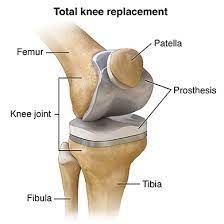
A nurse is assisting with the care of a client who is 6 hr postoperative following a right total knee arthroplasty. Which of the following actions should the nurse take?
A. Maintain the head of the client's bed in high-Fowler's position.
B. Remove the client's dressing when it becomes saturated.
C. Check the client's pedal pulses every hour.
A nurse assisting with the care of a client who is 6 hours postoperative following a right total knee arthroplasty should check the client's pedal pulses every hour. This is important to assess the adequacy of blood flow and tissue perfusion to the extremity. It is also important to monitor the client's pain level, administer pain medication as ordered, and encourage the client to perform exercises as appropriate. The head of the client's bed should be maintained in a semi-Fowler's position to promote optimal respiratory function, and the client's dressing should be changed only as needed and with sterile technique. An abductor wedge is not typically used following knee arthroplasty surgery.
D. Place an abductor wedge under the client's right knee.
Full Explanation
A nurse assisting with the care of a client who is 6 hours postoperative following a right total knee arthroplasty should check the client's pedal pulses every hour. This is important to assess the adequacy of blood flow and tissue perfusion to the extremity.
It is also important to monitor the client's pain level, administer pain medication as ordered, and encourage the client to perform exercises as appropriate.
The head of the client's bed should be maintained in a semi-Fowler's position to promote optimal respiratory function, and the client's dressing should be changed only as needed and with sterile technique.
An abductor wedge is not typically used following knee arthroplasty surgery.
A nurse is reinforcing discharge teaching with the caregiver of a client who has dependent personality disorder. Which of the following instructions should the nurse include in the teaching?
A. Assume responsibility for making the client's decisions.
B. Maintain a verbal no-harm contract with the client.
C. Limit the client's social interactions.
D. Encourage the client to be assertive.
Encouraging the client to be assertive is an important aspect of managing dependent personality disorder. It helps the client develop self-confidence, make independent decisions, and advocate for their own needs. Empowering the client to express their opinions and assert their boundaries can contribute to their personal growth and reduce their reliance on others.
Full Explanation
Encouraging the client to be assertive is an important aspect of managing dependent personality disorder. It helps the client develop self-confidence, make independent decisions, and advocate for their own needs.
Empowering the client to express their opinions and assert their boundaries can contribute to their personal growth and reduce their reliance on others.