
Nursing practice questions with comprehensive rationales
NurseDive Free Nursing Practice Question
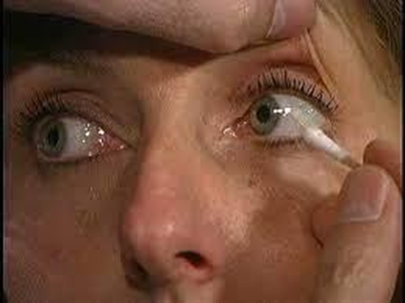
A nurse is collecting data from a client who was involved in a motor-vehicle crash.Which of the following techniques should the nurse use to test for corneal reflexes?
A. Visualize the red reflex of the eye.
This is a technique used for assessing the fundus and is not related to corneal reflexes.
B. Examine the eye with a penlight.
This is used for general eye examination but does not specifically test corneal reflexes.
C. Lightly touch the eye with a wisp of cotton.
This tests the corneal reflex, where a blink response indicates the reflex is intact.
D. instill drops of dye into the eye.
This is used for assessing corneal abrasions or ulcers but is not a method to test corneal reflexes.
This question is an excerpt from Nurse Dive's nursing test bank - Dumund ATI comprehensive med surg proctored exam. Take the full exam now
Full Explanation
A. This is a technique used for assessing the fundus and is not related to corneal reflexes.
B. This is used for general eye examination but does not specifically test corneal reflexes.
C. This tests the corneal reflex, where a blink response indicates the reflex is intact.
D. This is used for assessing corneal abrasions or ulcers but is not a method to test corneal reflexes.
Similar Questions
A nurse is caring for an older adult client. The client has an increased risk for dehydration due to which of the following physiological changes that can occur with aging?
A. Decrease in systolic blood pressure.
While blood pressure changes may occur with aging, it is not a direct cause of dehydration.
B. Increase in percentage of body water
Older adults tend to have a decrease in the percentage of body water, contributing to a higher risk of dehydration.
C. Decrease in kidney function.
Aging can lead to a decrease in renal function, affecting the body's ability to concentrate urine and conserve water.
D. Increase in saliva production.
Saliva production typically decreases with aging and is not a significant factor in dehydration.
Full Explanation
A. While blood pressure changes may occur with aging, it is not a direct cause of dehydration.
B. Older adults tend to have a decrease in the percentage of body water, contributing to a higher risk of dehydration.
C. Aging can lead to a decrease in renal function, affecting the body's ability to concentrate urine and conserve water.
D. Saliva production typically decreases with aging and is not a significant factor in dehydration.
A nurse is reinforcing discharge teaching to a client about nutrition therapy for wound healing following major surgery. Which of the following vitamins should the nurse include in the teaching as promoting wound healing? (Select all that apply.)
A. Vitamin A
Vitamin A plays a role in the development and maintenance of epithelial tissues, promoting wound healing.
B. Vitamin B12
Vitamin B12 is important for nerve function and red blood cell production but not directly related to wound healing.
C. Vitamin D
Vitamin D is essential for calcium absorption and bone health.
D. Vitamin C
Vitamin C is essential for collagen synthesis, a key component of connective tissue and wound healing.
E. Vitamin E
Full Explanation
A. Vitamin A plays a role in the development and maintenance of epithelial tissues, promoting wound healing.
B. Vitamin B12 is important for nerve function and red blood cell production but not directly related to wound healing.
C. Vitamin D is essential for calcium absorption and bone health.
D. Vitamin C is essential for collagen synthesis, a key component of connective tissue and wound healing.
E. Vitamin E acts as an antioxidant and may contribute to tissue repair.
A nurse is caring for a client who has diabetes mellitus and had a below the knee amputation 2 days ago. Which of the following statements by the client should the nurse identify as an indication that the client has a body image disturbance?
A. If my wife had paid more attention to my blood sugar levels I would not have needed an amputation.
This statement reflects a sense of blame and responsibility but may not necessarily indicate a body image disturbance.
B. No matter how hard I work in physical therapy I can’t seem to make any progress.
This statement may indicate frustration with physical therapy progress but does not directly address body image.
C. I have not always made good choices in life I deserve to lose my leg.
This statement reflects guilt or self-blame but may not necessarily indicate a body image disturbance.
D. When I look in the mirror all I see is a person without a leg.
This statement directly addresses the client's perception of their body image following the amputation.
Full Explanation
A. This statement reflects a sense of blame and responsibility but may not necessarily indicate a body image disturbance.
B. This statement may indicate frustration with physical therapy progress but does not directly address body image.
C. This statement reflects guilt or self-blame but may not necessarily indicate a body image disturbance.
D. This statement directly addresses the client's perception of their body image following the amputation.