
Nursing practice questions with comprehensive rationales
NurseDive Free Nursing Practice Question
A nurse is collecting data from a newborn who has shoulder dystocia. The nurse should identify which of the following findings as an indication of pain?
A. Lip-smacking
A. Lip-smacking : Lip-smacking is not typically an indication of pain in newborns. It may be associated with hunger or neurological responses, but it does not directly indicate discomfort or pain caused by shoulder dystocia or other injuries.
B. Stiff posture
B. Stiff posture : A stiff posture can indicate pain in newborns, as they often exhibit hypertonicity or rigidity when experiencing discomfort. This response is a protective mechanism and may suggest the newborn is reacting to pain from potential nerve or tissue damage caused by shoulder dystocia.
C. Weak cry
C. Weak cry : While a weak cry may indicate neurological or respiratory distress, it is not a specific sign of pain. In the context of shoulder dystocia, a weak cry could reflect complications such as brachial plexus injury but does not directly signify the presence of pain.
D. Tongue-darting
D. Tongue-darting : Tongue-darting is more commonly associated with neurological issues or feeding difficulties rather than pain. It is not a typical behavioral response to discomfort or injury in newborns experiencing complications like shoulder dystocia.
This question is an excerpt from Nurse Dive's nursing test bank - VATI PN Comprehensive Predictor 2020 Proctored Exam. Take the full exam now
Full Explanation
Answer: B. Stiff posture
Rationale:
A. Lip-smacking : Lip-smacking is not typically an indication of pain in newborns. It may be associated with hunger or neurological responses, but it does not directly indicate discomfort or pain caused by shoulder dystocia or other injuries.
B. Stiff posture : A stiff posture can indicate pain in newborns, as they often exhibit hypertonicity or rigidity when experiencing discomfort. This response is a protective mechanism and may suggest the newborn is reacting to pain from potential nerve or tissue damage caused by shoulder dystocia.
C. Weak cry : While a weak cry may indicate neurological or respiratory distress, it is not a specific sign of pain. In the context of shoulder dystocia, a weak cry could reflect complications such as brachial plexus injury but does not directly signify the presence of pain.
D. Tongue-darting : Tongue-darting is more commonly associated with neurological issues or feeding difficulties rather than pain. It is not a typical behavioral response to discomfort or injury in newborns experiencing complications like shoulder dystocia.
Similar Questions
A nurse is preparing a client's insulin regimen. Which of the following insulins can be mixed? (Select all that
apply.)
A. Insulin aspart
Insulin aspart, regular insulin, and insulin lispro are all short-acting or rapid-acting insulins that can be mixed with other insulins.
B. Regular insulin
Insulin aspart, regular insulin, and insulin lispro are all short-acting or rapid-acting insulins that can be mixed with other insulins.
C. Insulin glargine
insulin glargine, and option d, insulin detemir, are long-acting insulins that should not be mixed with other insulins. These insulins have a different mechanism of action and are intended for basal or background insulin coverage.
D. Insulin detemir
Option c, insulin glargine, and option d, insulin detemir, are long-acting insulins that should not be mixed with other insulins. These insulins have a different mechanism of action and are intended for basal or background insulin coverage.
E. Insulin lispro
Insulin aspart, regular insulin, and insulin lispro are all short-acting or rapid-acting insulins that can be mixed with other insulins.
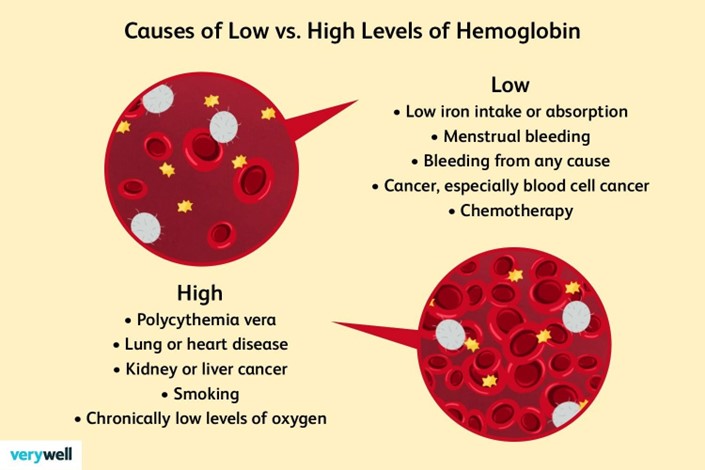
A nurse is collecting data from a client whose Hgb is 8.8 mg/dL. Which of the following statements should the nurse expect?
A. "I feel tired all the time."
A hemoglobin (Hgb) level of 8.8 mg/dL indicates anemia, which is a decrease in the oxygen-carrying capacity of the blood. Fatigue and tiredness are common symptoms of anemia. When the body does not have enough hemoglobin to transport oxygen effectively, it can lead to feelings of fatigue and a lack of energy.
B. "I have noticed that my fingernails are becoming thicker."
"I have noticed that my fingernails are becoming thicker." Thicker fingernails are not typically associated with a low hemoglobin level. Changes in fingernails can be atributed to various factors, but they are not directly related to anemia.
C. "I have to go to the bathroom all the time."
"I have to go to the bathroom all the time." Frequent urination is not typically associated with a low hemoglobin level. It can be related to other factors such as urinary tract infections, diabetes, or diuretic use, among others.
D. "I notice that my hands are always shaky."
"I notice that my hands are always shaky." Hand tremors are not directly associated with a low hemoglobin level. Tremors can have various causes, such as neurological conditions, medication side effects, or excessive caffeine intake, but they are not directly linked to anemia.
Full Explanation
A hemoglobin (Hgb) level of 8.8 mg/dL indicates anemia, which is a decrease in the oxygen-carrying capacity of the blood. Fatigue and tiredness are common symptoms of anemia. When the body does not have enough hemoglobin to transport oxygen effectively, it can lead to feelings of fatigue and a lack of energy.
The other options are not directly associated with a low hemoglobin level:
b) "I have noticed that my fingernails are becoming thicker." Thicker fingernails are not typically associated with a low hemoglobin level. Changes in fingernails can be atributed to various factors, but they are not directly related to anemia.
c) "I have to go to the bathroom all the time." Frequent urination is not typically associated with a low hemoglobin level. It can be related to other factors such as urinary tract infections, diabetes, or diuretic use, among others.
d) "I notice that my hands are always shaky." Hand tremors are not directly associated with a low hemoglobin level. Tremors can have various causes, such as neurological conditions, medication side effects, or excessive caffeine intake, but they are not directly linked to anemia.
A nurse is caring for a client who atempted suicide. Which of the following actions should the nurse take?
A. Serve meals with plastic utensils.
A) Serve meals with plastic utensils: Serving meals with plastic utensils is essential to reduce the risk of self-harm. Metal utensils could be used by the client to inflict injury upon themselves, so providing plastic utensils is a necessary safety measure to prevent potential harm.
B. Assign another client to accompany the client to therapy sessions
B) Assign another client to accompany the client to therapy sessions: Assigning another client to accompany the client to therapy sessions is not appropriate as it places an undue burden on another client and may not ensure the safety of the at-risk client. Professional staff should provide supervision and support.
C. Assign the client to a private room
C) Assign the client to a private room: Assigning the client to a private room might increase the risk of self-harm due to reduced supervision. It is generally better to place the client in a more observable setting where staff can frequently monitor their condition.
D. Check on the client every 4 hr
D) Check on the client every 4 hr: Checking on the client every 4 hours is insufficient for someone who has recently attempted suicide. More frequent monitoring, such as constant or every 15-minute checks, is necessary to ensure the client's safety and provide immediate intervention if needed.
Full Explanation
Answer: A
Rationale:
A) Serve meals with plastic utensils: Serving meals with plastic utensils is essential to reduce the risk of self-harm. Metal utensils could be used by the client to inflict injury upon themselves, so providing plastic utensils is a necessary safety measure to prevent potential harm.
B) Assign another client to accompany the client to therapy sessions: Assigning another client to accompany the client to therapy sessions is not appropriate as it places an undue burden on another client and may not ensure the safety of the at-risk client. Professional staff should provide supervision and support.
C) Assign the client to a private room: Assigning the client to a private room might increase the risk of self-harm due to reduced supervision. It is generally better to place the client in a more observable setting where staff can frequently monitor their condition.
D) Check on the client every 4 hr: Checking on the client every 4 hours is insufficient for someone who has recently attempted suicide. More frequent monitoring, such as constant or every 15-minute checks, is necessary to ensure the client's safety and provide immediate intervention if needed.