
Nursing practice questions with comprehensive rationales
NurseDive Free Nursing Practice Question
A nurse is collecting data from an adolescent client who has anorexia nervosa. Which of the following findings should the nurse expect?
A. Hyperkalemia
Hyperkalemia is a condition of high potassium levels in the blood. It is not a typical symptom of anorexia, as people with anorexia tend to have low potassium levels due to vomiting, diuretic use, or inadequate intake. Hyperkalemia can cause irregular heart rhythms, muscle weakness, and paralysis.
B. Tachycardia
Tachycardia is a condition of fast heart rate. It is not a common symptom of anorexia, as people with anorexia tend to have bradycardia, which is a slow heart rate. Bradycardia can result from starvation, dehydration, or electrolyte imbalance and can lead to cardiac arrest. Tachycardia can occur in some cases of anorexia due to dehydration, anxiety or refeeding syndrome.
C. Constipation
Constipation is a common symptom of anorexia nervosa, as it can result from severe food restriction, dehydration, electrolyte imbalance, or laxative abuse. People with anorexia may also experience abdominal pain and bloating due to constipation.
D. Metrorrhagia
Metrorrhagia is a condition of irregular or excessive bleeding between menstrual periods. It is not a usual symptom of anorexia, as people with anorexia tend to have amenorrhea, which is the absence of menstruation. Amenorrhea can occur due to low body weight, hormonal imbalance, or malnutrition and can affect bone health and fertility. Metrorrhagia can have various causes such as infection, polyps, or cancer.
This question is an excerpt from Nurse Dive's nursing test bank - PNU Adult Health II Spring 2023 Proctored Exam 2. Take the full exam now
Full Explanation
Constipation. Constipation is a common symptom of anorexia nervosa, as it can result from severe food restriction, dehydration, electrolyte imbalance, or laxative abuse. People with anorexia may also experience abdominal pain and bloating due to constipation.
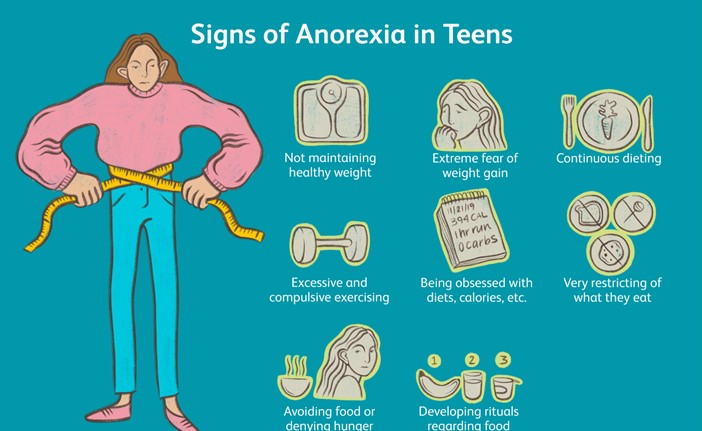
Choice A. Hyperkalemia. Hyperkalemia is a condition of high potassium levels in the blood. It is not a typical symptom of anorexia, as people with anorexia tend to have low potassium levels due to vomiting, diuretic use, or inadequate intake.
Hyperkalemia can cause irregular heart rhythms, muscle weakness, and paralysis.
Choice B. Tachycardia. Tachycardia is a condition of fast heart rate. It is not a common symptom of anorexia, as people with anorexia tend to have bradycardia, which is a slow heart rate. Bradycardia can result from starvation, dehydration, or electrolyte imbalance and can lead to cardiac arrest. Tachycardia can occur in some cases of anorexia due to dehydration, anxiety or refeeding syndrome.
Choice D. Metrorrhagia. Metrorrhagia is a condition of irregular or excessive bleeding between menstrual periods. It is not a usual symptom of anorexia, as people with anorexia tend to have amenorrhea, which is the absence of
Similar Questions
A nurse is contributing to the plan of care for a child who has autism spectrum disorder. Which of the following interventions should the nurse recommend for the plan of care?
A. Assure that child has a large variety of caregivers.
Assuring that the child has a large variety of caregivers, is not recommended, as children with autism spectrum disorder can be particularly sensitive to changes in routine and caregivers. Providing a flexible schedule to adjust to the child's interests
B. Establish a reward system for positive behavior.
The nurse should recommend establishing a reward system for positive behavior when contributing to the plan of care for a child with an autism spectrum disorder. Reward systems can be particularly effective for children with autism spectrum disorder, as they respond well to structured routines and consistency.
C. Provide a flexible schedule to adjust to the child's interests.
May be appropriate in some cases, but a structured routine can be even more beneficial. Allowing for imaginative play with peers without supervision.
D. Allow for imaginative play with peers without supervision.
May not be safe or effective in all situations. It is important for the nurse to work with the child, their family, and other healthcare professionals to develop an individualized plan of care that meets the child's specific needs and goals.
Full Explanation
The nurse should recommend establishing a reward system for positive behavior when contributing to the plan of care for a child with an autism spectrum disorder. Reward systems can be particularly effective for children with autism spectrum disorder, as they respond well to structured routines and consistency.
Choice A, assuring that the child has a large variety of caregivers, is not recommended, as children with autism spectrum disorder can be particularly sensitive to changes in routine and caregivers. Providing a flexible schedule to adjust to the child's interests,
choice C may be appropriate in some cases, but a structured routine can be even more beneficial. Allowing for imaginative play with peers without supervision, choice D, may not be safe or effective in all situations. It is important for the nurse to work with the child, their family, and other healthcare professionals to develop an individualized plan of care that meets the child's specific needs and goals.
A nurse on an acute care mental health unit is caring for a client who has generalized anxiety disorder. The client received an upsetting telephone call and is now rapidly pacing the corridors of the unit. Which of the following actions should the nurse take?
A. Allow the client to pace alone until physically tired.
This can increase the sense of isolation and anxiety. Asking a small group of other clients to walk with the client.
B. Walk with the client at a gradually slowing pace.
The nurse should walk with the client at a gradually slowing pace when caring for a client with a generalized anxiety disorder who is rapidly pacing the corridors of the unit. This intervention provides the client with support and helps to prevent the client from becoming overwhelmed or getting injured. Allowing the client to pace alone until physically tired.
C. Ask a small group of other clients to walk with the client.
This may be inappropriate or even harmful in some cases. Calmly instructing the client to stop pacing and sit in the dayroom.
D. Calmly instruct the client to stop pacing and sit in the dayroom.
This can be perceived by the client as dismissive and may escalate the anxiety level. The nurse should work with the client and their family to develop an individualized plan of care that meets the client's needs and goals.
Full Explanation
The nurse should walk with the client at a gradually slowing pace when caring for a client with a generalized anxiety disorder who is rapidly pacing the corridors of the unit. This intervention provides the client with support and helps to prevent the client from becoming overwhelmed or getting injured. Allowing the client to pace alone until physically tired.
choice A can increase the sense of isolation and anxiety. Asking a small group of other clients to walk with the client.
choice C may be inappropriate or even harmful in some cases. Calmly instructing the client to stop pacing and sit in the dayroom.
choice D can be perceived by the client as dismissive and may escalate the anxiety level. The nurse should work with the client and their family to develop an individualized plan of care that meets the client's needs and goals.
A nurse is collecting data from a client who is admitted to undergo a left lobectomy to treat lung cancer. The client tells the nurse that she is scared and wishes she had never smoked. Which of the following responses should the nurse make?
A. "It's okay to feel afraid. Let's talk about what you are afraid of."
The nurse should acknowledge and validate the client's feelings by saying, "It's okay to feel afraid. Let's talk about what you are afraid of." This response demonstrates empathy and encourages the client to express their concerns and feelings.
B. "Your doctor is a great surgeon. You will be fine."
"Your doctor is a great surgeon. You will be fine," dismisses the client's feelings and may increase their anxiety.
C. "Don't worry. The important thing is you have now quit smoking."
"Don't worry. The important thing is you have now quit smoking," minimizes the seriousness of the procedure and the client's potential risks.
D. "I understand your fears. I was a smoker also."
"I understand your fears. I was a smoker also," shifts the focus from the client to the nurse and is not an effective way to provide emotional support for the client.
Full Explanation
The nurse should acknowledge and validate the client's feelings by saying, "It's okay to feel afraid. Let's talk about what you are afraid of." This response demonstrates empathy and encourages the client to express their concerns and feelings.
Choice B, "Your doctor is a great surgeon. You will be fine," dismisses the client's feelings and may increase their anxiety.
Choice C, "Don't worry. The important thing is you have now quit smoking," minimizes the seriousness of the procedure and the client's potential risks.
Choice D, "I understand your fears. I was a smoker also," shifts the focus from the client to the nurse and is not an effective way to provide emotional support for the client.