
Nursing practice questions with comprehensive rationales
NurseDive Free Nursing Practice Question
A nurse is collecting data on a client who has COPD. Which of the following findings should the nurse expect?
A. Spoon nails
Spoon nailsSpoon nails, also known as koilonychia, refer to a concave or spoon-shaped deformity of the nails. This finding is associated with conditions such as iron deficiency anemia or certain systemic diseases, but it is not specifically associated with COPD.
B. Peripheral edema
Peripheral edemaPeripheral edema, or swelling of the extremities, is not a typical finding in COPD. It may occur in conditions such as heart failure, liver disease, or kidney disease, but it is not directly related to COPD unless there are comorbid conditions contributing to fluid retention.
C. Pleural friction rub
Pleural friction rub Pleural friction rub refers to a creaking or grating sound heard on auscultation of the lungs, typically during inspiration and expiration. It occurs when the inflamed pleural surfaces rub against each other. While pleural effusion (accumulation of fluid in the pleural space) may occur as a complication of COPD, pleural friction rub is not a typical finding in uncomplicated COPD.
D. Barrel chest
Barrel chestBarrel chest is a common finding in clients with COPD. It refers to an increased anterior-posterior diameter of the chest, giving it a rounded appearance similar to that of a barrel. This occurs due to hyperinflation of the lungs, which is characteristic of COPD, particularly in advanced stages. The hyperinflation leads to chronic air trapping and increased residual volume in the lungs, causing the chest to become enlarged and rounded.
This question is an excerpt from Nurse Dive's nursing test bank - Ati Med Surg Respiratory Test Polizzoti Proctored Exam. Take the full exam now
Full Explanation
A. Spoon nails
Spoon nails, also known as koilonychia, refer to a concave or spoon-shaped deformity of the nails. This finding is associated with conditions such as iron deficiency anemia or certain systemic diseases, but it is not specifically associated with COPD.
B. Peripheral edema
Peripheral edema, or swelling of the extremities, is not a typical finding in COPD. It may occur in conditions such as heart failure, liver disease, or kidney disease, but it is not directly related to COPD unless there are comorbid conditions contributing to fluid retention.
C. Pleural friction rub
Pleural friction rub refers to a creaking or grating sound heard on auscultation of the lungs, typically during inspiration and expiration. It occurs when the inflamed pleural surfaces rub against each other. While pleural effusion (accumulation of fluid in the pleural space) may occur as a complication of COPD, pleural friction rub is not a typical finding in uncomplicated COPD.
D. Barrel chest
Barrel chest is a common finding in clients with COPD. It refers to an increased anterior-posterior diameter of the chest, giving it a rounded appearance similar to that of a barrel. This occurs due to hyperinflation of the lungs, which is characteristic of COPD, particularly in advanced stages. The hyperinflation leads to chronic air trapping and increased residual volume in the lungs, causing the chest to become enlarged and rounded.
Similar Questions
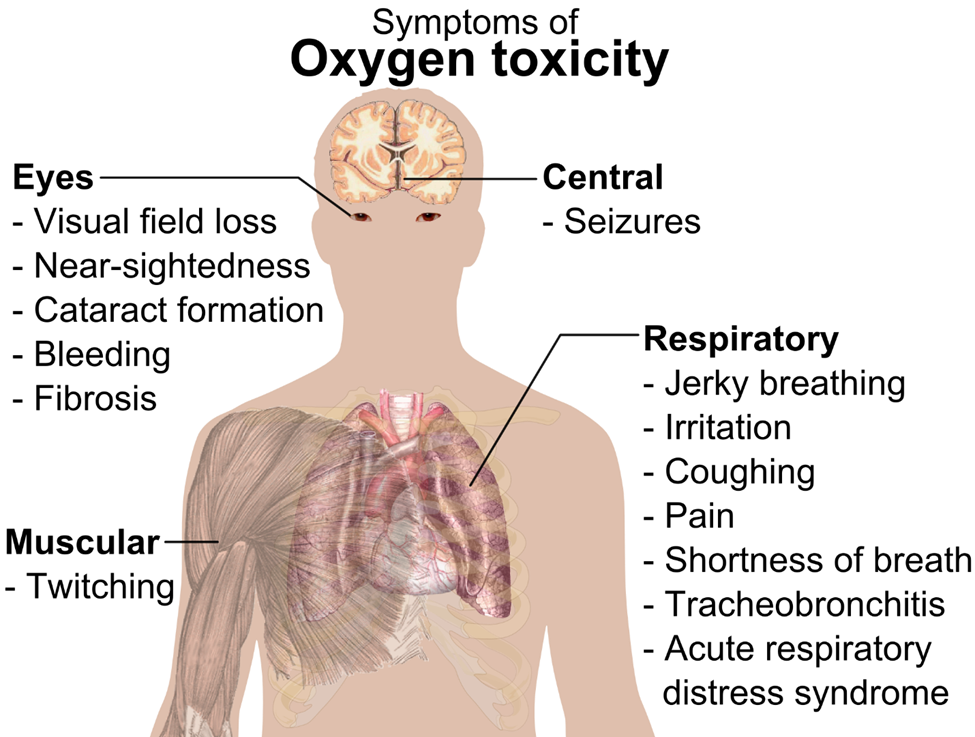
A nurse is collecting data on a client who has oxygen toxicity. Which of the following findings should the nurse expect?
A. Muscle twitching
Muscle twitchingMuscle twitching is not a typical manifestation of oxygen toxicity. Instead, muscle twitching may be indicative of other conditions such as electrolyte imbalances (e.g., hypocalcemia or hypomagnesemia), neuromuscular disorders, or overstimulation of the nervous system.
B. Metallic taste in mouth
Metallic taste in mouthA metallic taste in the mouth is not commonly associated with oxygen toxicity. Instead, a metallic taste in the mouth may occur as a side effect of certain medications, dental issues, or as a symptom of other medical conditions such as acid reflux or oral infections.
C. Facial flushing
Facial flushing Facial flushing is a characteristic finding in oxygen toxicity. When exposed to high levels of oxygen over an extended period, individuals may experience facial flushing due to the vasodilatory effects of oxygen on blood vessels. This dilation of blood vessels leads to increased blood flow to the face, resulting in flushing or reddening of the skin.
D. Periorbital edema
Periorbital edemaPeriorbital edema, or swelling around the eyes, is not a typical manifestation of oxygen toxicity. Instead, periorbital edema may occur as a result of various other conditions such as allergies, sinusitis, or fluid retention. It is not directly related to exposure to high levels of oxygen.
Full Explanation
A. Muscle twitching
Muscle twitching is not a typical manifestation of oxygen toxicity. Instead, muscle twitching may be indicative of other conditions such as electrolyte imbalances (e.g., hypocalcemia or hypomagnesemia), neuromuscular disorders, or overstimulation of the nervous system.
B. Metallic taste in mouth
A metallic taste in the mouth is not commonly associated with oxygen toxicity. Instead, a metallic taste in the mouth may occur as a side effect of certain medications, dental issues, or as a symptom of other medical conditions such as acid reflux or oral infections.
C. Facial flushing
Facial flushing is a characteristic finding in oxygen toxicity. When exposed to high levels of oxygen over an extended period, individuals may experience facial flushing due to the vasodilatory effects of oxygen on blood vessels. This dilation of blood vessels leads to increased blood flow to the face, resulting in flushing or reddening of the skin.
D. Periorbital edema
Periorbital edema, or swelling around the eyes, is not a typical manifestation of oxygen toxicity. Instead, periorbital edema may occur as a result of various other conditions such as allergies, sinusitis, or fluid retention. It is not directly related to exposure to high levels of oxygen.
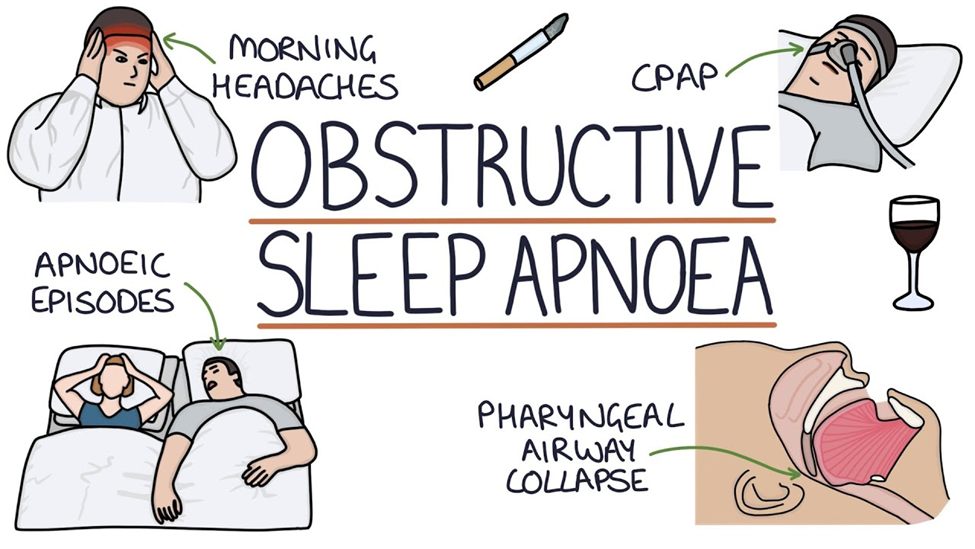
A nurse is collecting data on a client who has obstructive sleep apnea. Which of the following findings should the nurse expect?
A. Constipation
ConstipationConstipation is not typically associated with obstructive sleep apnea. However, sleep disturbances and certain medications used to manage OSA may indirectly contribute to constipation in some cases.
B. Nausea
NauseaNausea is not a common symptom of obstructive sleep apnea. While sleep disturbances may affect gastrointestinal function in some individuals, nausea is not a typical manifestation of OSA.
C. Headache
Headache One of the common findings associated with obstructive sleep apnea (OSA) is headache. This occurs due to the repeated episodes of apnea (cessation of breathing) during sleep, which leads to intermittent hypoxia (low oxygen levels) and subsequent cerebral vasodilation. The vasodilation can trigger headaches, often described as morning headaches, upon waking up. These headaches are typically frontal and may be accompanied by other symptoms such as fatigue and irritability.
D. Hypotension
HypotensionHypotension (low blood pressure) is not a typical finding in obstructive sleep apnea. In fact, individuals with OSA are more likely to have hypertension (high blood pressure) due to the effects of repeated apnea episodes on the cardiovascular system, such as increased sympathetic activity and arterial stiffness.
Full Explanation
A. Constipation
Constipation is not typically associated with obstructive sleep apnea. However, sleep disturbances and certain medications used to manage OSA may indirectly contribute to constipation in some cases.
B. Nausea
Nausea is not a common symptom of obstructive sleep apnea. While sleep disturbances may affect gastrointestinal function in some individuals, nausea is not a typical manifestation of OSA.
C. Headache
One of the common findings associated with obstructive sleep apnea (OSA) is headache. This occurs due to the repeated episodes of apnea (cessation of breathing) during sleep, which leads to intermittent hypoxia (low oxygen levels) and subsequent cerebral vasodilation. The vasodilation can trigger headaches, often described as morning headaches, upon waking up. These headaches are typically frontal and may be accompanied by other symptoms such as fatigue and irritability.
D. Hypotension
Hypotension (low blood pressure) is not a typical finding in obstructive sleep apnea. In fact, individuals with OSA are more likely to have hypertension (high blood pressure) due to the effects of repeated apnea episodes on the cardiovascular system, such as increased sympathetic activity and arterial stiffness.
A nurse is reinforcing teaching with a client who has COPD about purse-lipped breathing. Which of the following statements should the nurse make?
A. "You should inhale through your nose and exhale through your mouth during purse-lipped breathing."
"You should inhale through your nose and exhale through your mouth during purse-lipped breathing."Pursed-lip breathing is a breathing technique commonly used by individuals with COPD to help improve breathing efficiency and manage dyspnea (shortness of breath). During purse-lip breathing, the individual inhales slowly through the nose and exhales slowly and gently through pursed lips, creating a slight resistance to the airflow. This technique helps to keep the airways open longer during exhalation, reduces air trapping, and improves oxygenation.
B. "Your inspiration should be longer than expiration during purse-lipped breathing."
"Your inspiration should be longer than expiration during purse-lipped breathing."Pursed-lip breathing typically involves making both the inspiration and expiration longer than usual. The focus is on slowing down the breathing rate and extending the exhalation phase to promote better gas exchange and reduce respiratory effort.
C. "You should cough forcefully during exhalation when you are purse-lipped breathing."
"You should cough forcefully during exhalation when you are purse-lipped breathing." Pursed-lip breathing is a gentle breathing technique used to promote relaxation and control of breathing. Forceful coughing during exhalation is not part of purse-lip breathing and may not be appropriate, especially for individuals with COPD who are prone to airway irritation and bronchospasm.
D. "You should be flat on your back when you perform purse-lipped breathing."
"You should be flat on your back when you perform purse-lipped breathing."The position for performing purse-lip breathing is not specific to lying flat on the back. Individuals can perform purse-lip breathing in various positions that are comfortable and allow for effective breathing, such as sitting upright or leaning slightly forward. The key is to find a position that facilitates relaxation and optimal lung expansion.
Full Explanation
A. "You should inhale through your nose and exhale through your mouth during purse-lipped breathing."
Pursed-lip breathing is a breathing technique commonly used by individuals with COPD to help improve breathing efficiency and manage dyspnea (shortness of breath). During purse-lip breathing, the individual inhales slowly through the nose and exhales slowly and gently through pursed lips, creating a slight resistance to the airflow. This technique helps to keep the airways open longer during exhalation, reduces air trapping, and improves oxygenation.
B. "Your inspiration should be longer than expiration during purse-lipped breathing."
Pursed-lip breathing typically involves making both the inspiration and expiration longer than usual. The focus is on slowing down the breathing rate and extending the exhalation phase to promote better gas exchange and reduce respiratory effort.
C. "You should cough forcefully during exhalation when you are purse-lipped breathing."
Pursed-lip breathing is a gentle breathing technique used to promote relaxation and control of breathing. Forceful coughing during exhalation is not part of purse-lip breathing and may not be appropriate, especially for individuals with COPD who are prone to airway irritation and bronchospasm.
D. "You should be flat on your back when you perform purse-lipped breathing."
The position for performing purse-lip breathing is not specific to lying flat on the back. Individuals can perform purse-lip breathing in various positions that are comfortable and allow for effective breathing, such as sitting upright or leaning slightly forward. The key is to find a position that facilitates relaxation and optimal lung expansion.