
Nursing practice questions with comprehensive rationales
NurseDive Free Nursing Practice Question
A nurse is collecting data on a client who has urinary retention. Which of the following findings should the nurse expect?
A. Leakage of urine
Leakage of urine is a sign of urinary retention, as it indicates that the bladder is overdistended and unable to empty completely. The urine may leak around the urethra or through a catheter.
B. Dark-colored urine
Dark-colored urine is not a sign of urinary retention. It can be caused by dehydration, certain foods or medications, or liver or kidney problems.
C. Cloudy urine
Cloudy urine is not a sign of urinary retention. It can be caused by infection, inflammation, or stones in the urinary tract.
D. Blood in urine
Blood in urine is not a sign of urinary retention. It can be caused by trauma, infection, cancer, or coagulation disorders in the urinary tract.
This question is an excerpt from Nurse Dive's nursing test bank - NS117 T Winter 2023 Monroe college NY PN Fundamental of nursing proctored exam 2. Take the full exam now
Full Explanation
Choice A reason: Leakage of urine is a sign of urinary retention, as it indicates that the bladder is overdistended and unable to empty completely. The urine may leak around the urethra or through a catheter.
Choice B reason: Dark-colored urine is not a sign of urinary retention. It can be caused by dehydration, certain foods or medications, or liver or kidney problems.
Choice C reason: Cloudy urine is not a sign of urinary retention. It can be caused by infection, inflammation, or stones in the urinary tract.
Choice D reason: Blood in urine is not a sign of urinary retention. It can be caused by trauma, infection, cancer, or coagulation disorders in the urinary tract.
Similar Questions
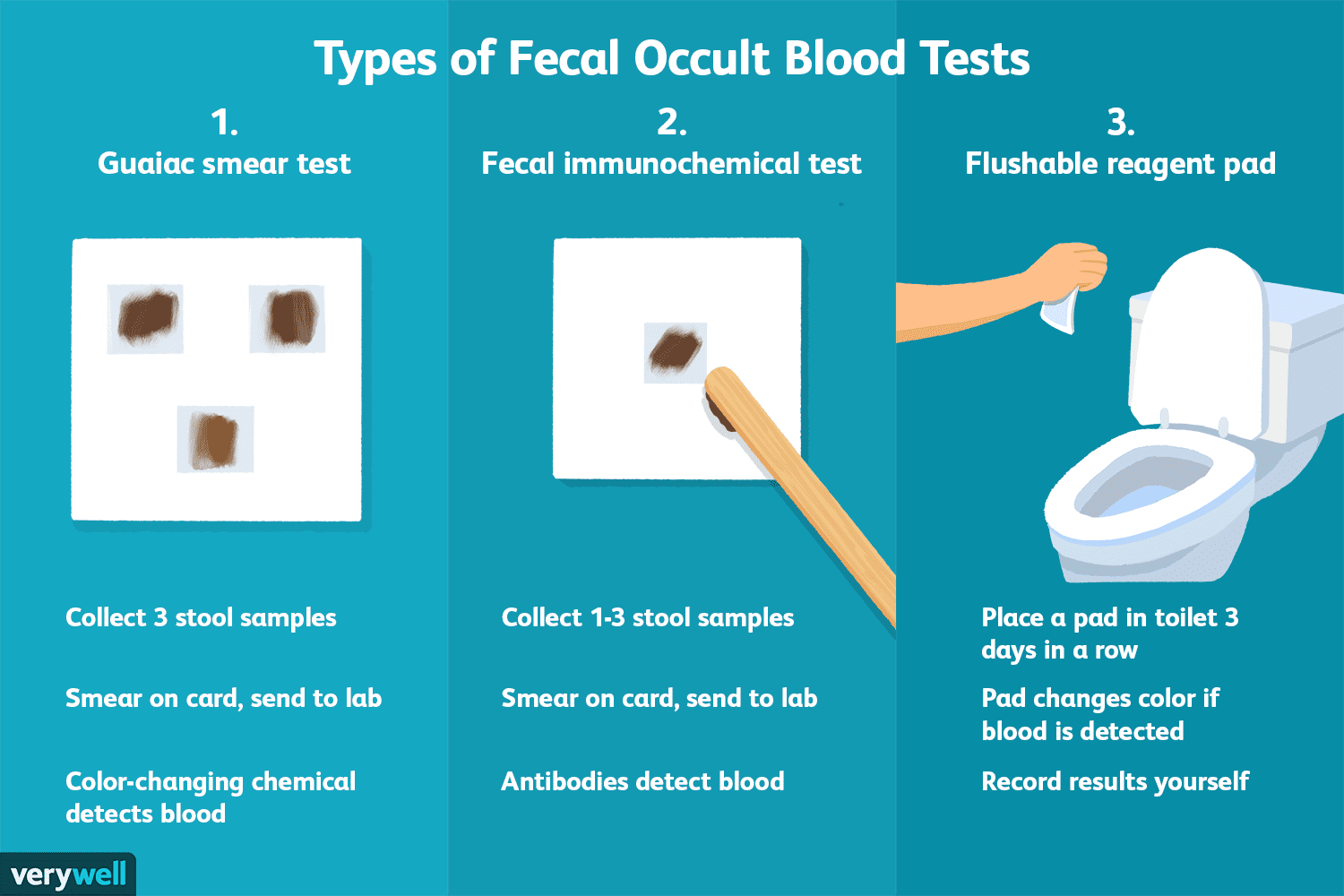
A nurse is caring for a client who has a prescription for a stool guaiac test. The client asks the nurse about the purpose of the test. The nurse should respond by stating that the stool guaiac is testing for which of the following findings in the client's feces?
A. Bacteria
Bacteria are not detected by the stool guaiac test. The stool guaiac test is a chemical test that reacts with hemoglobin, a protein found in red blood cells. Bacteria are microorganisms that do not contain hemoglobin.
B. Fat
Fat is not detected by the stool guaiac test. The stool guaiac test is a chemical test that reacts with hemoglobin, a protein found in red blood cells. Fat is a lipid that does not contain hemoglobin.
C. Parasites
Parasites are not detected by the stool guaiac test. The stool guaiac test is a chemical test that reacts with hemoglobin, a protein found in red blood cells. Parasites are organisms that live in or on another host and do not contain hemoglobin.
D. Blood
Blood is detected by the stool guaiac test. The stool guaiac test is a chemical test that reacts with hemoglobin, a protein found in red blood cells. Blood can indicate bleeding in the gastrointestinal tract, which can be caused by various conditions such as ulcers, polyps, or cancer.
Full Explanation
Choice A reason: Bacteria are not detected by the stool guaiac test. The stool guaiac test is a chemical test that reacts with hemoglobin, a protein found in red blood cells. Bacteria are microorganisms that do not contain hemoglobin.
Choice B reason: Fat is not detected by the stool guaiac test. The stool guaiac test is a chemical test that reacts with hemoglobin, a protein found in red blood cells. Fat is a lipid that does not contain hemoglobin.
Choice C reason: Parasites are not detected by the stool guaiac test. The stool guaiac test is a chemical test that reacts with hemoglobin, a protein found in red blood cells. Parasites are organisms that live in or on another host and do not contain hemoglobin.
Choice D reason: Blood is detected by the stool guaiac test. The stool guaiac test is a chemical test that reacts with hemoglobin, a protein found in red blood cells. Blood can indicate bleeding in the gastrointestinal tract, which can be caused by various conditions such as ulcers, polyps, or cancer.
A nurse is assisting in the care of a client who has diabetic ketoacidosis and hypoxia. Which of the following actions should the nurse take first?
A. Obtain a prescription to administer insulin.
Obtaining a prescription to administer insulin is an important action for the nurse to take, as insulin helps to lower the blood glucose level and reverse the metabolic acidosis caused by diabetic ketoacidosis. However, it is not the first action the nurse should take, as the client's hypoxia is a more urgent problem that requires immediate intervention.
B. Obtain a prescription for supplemental oxygen.
Obtaining a prescription for supplemental oxygen is the first action the nurse should take, as hypoxia is a life-threatening condition that can lead to tissue damage, organ failure, and death. The nurse should provide oxygen therapy to improve the client's oxygen saturation and prevent further complications.
C. Obtain a prescription to check the client's glucose level.
Obtaining a prescription to check the client's glucose level is a necessary action for the nurse to take, as glucose monitoring helps to evaluate the client's response to insulin therapy and guide further interventions. However, it is not the first action the nurse should take, as the client's hypoxia is a more urgent problem that requires immediate intervention.
D. Obtain a prescription to administer intravenous fluids.
Obtaining a prescription to administer intravenous fluids is a beneficial action for the nurse to take, as fluid replacement helps to correct the dehydration, electrolyte imbalance, and hypotension caused by diabetic ketoacidosis. However, it is not the first action the nurse should take, as the client's hypoxia is a more urgent problem that requires immediate intervention.
Full Explanation
Choice A reason: Obtaining a prescription to administer insulin is an important action for the nurse to take, as insulin helps to lower the blood glucose level and reverse the metabolic acidosis caused by diabetic ketoacidosis. However, it is not the first action the nurse should take, as the client's hypoxia is a more urgent problem that requires immediate intervention.
Choice B reason: Obtaining a prescription for supplemental oxygen is the first action the nurse should take, as hypoxia is a life-threatening condition that can lead to tissue damage, organ failure, and death. The nurse should provide oxygen therapy to improve the client's oxygen saturation and prevent further complications.
Choice C reason: Obtaining a prescription to check the client's glucose level is a necessary action for the nurse to take, as glucose monitoring helps to evaluate the client's response to insulin therapy and guide further interventions. However, it is not the first action the nurse should take, as the client's hypoxia is a more urgent problem that requires immediate intervention.
Choice D reason: Obtaining a prescription to administer intravenous fluids is a beneficial action for the nurse to take, as fluid replacement helps to correct the dehydration, electrolyte imbalance, and hypotension caused by diabetic ketoacidosis. However, it is not the first action the nurse should take, as the client's hypoxia is a more urgent problem that requires immediate intervention.
A nurse is collecting data on a client who has respiratory acidosis. Which of the following findings should the nurse expect?
A. Numbness of fingers
Numbness of fingers is not a sign of respiratory acidosis. It can be caused by other conditions such as peripheral neuropathy, Raynaud's syndrome, or carpal tunnel syndrome.
B. Abdominal pain
Abdominal pain is not a sign of respiratory acidosis. It can be caused by other conditions such as gastritis, appendicitis, or gallstones.
C. Dry skin
Dry skin is not a sign of respiratory acidosis. It can be caused by other conditions such as dehydration, eczema, or hypothyroidism.
D. Lethargy
Lethargy is a sign of respiratory acidosis, as it indicates a low level of oxygen and a high level of carbon dioxide in the brain. Lethargy is a state of reduced mental and physical activity, which can progress to confusion, coma, or death if not treated.
Full Explanation
Choice A reason: Numbness of fingers is not a sign of respiratory acidosis. It can be caused by other conditions such as peripheral neuropathy, Raynaud's syndrome, or carpal tunnel syndrome.
Choice B reason: Abdominal pain is not a sign of respiratory acidosis. It can be caused by other conditions such as gastritis, appendicitis, or gallstones.
Choice C reason: Dry skin is not a sign of respiratory acidosis. It can be caused by other conditions such as dehydration, eczema, or hypothyroidism.
Choice D reason: Lethargy is a sign of respiratory acidosis, as it indicates a low level of oxygen and a high level of carbon dioxide in the brain. Lethargy is a state of reduced mental and physical activity, which can progress to confusion, coma, or death if not treated.