
Nursing practice questions with comprehensive rationales
NurseDive Free Nursing Practice Question
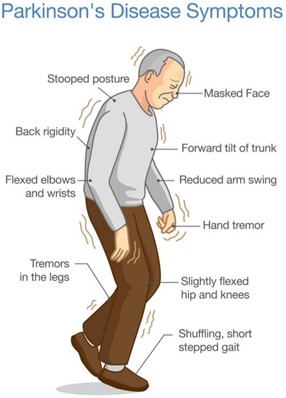
A nurse is contributing to the plan of care for a client who has Parkinson's disease. Which of the following interventions should the nurse plan to include?
A. Restrict the client's fluid intake
Restrict the client's fluid intake: Restricting the client's fluid intake is not typically indicated in the care of a client with Parkinson's disease. Adequate hydration is important for overall health and well-being. However, specific fluid restrictions may be necessary in certain situations, such as if the client has coexisting conditions like heart failure or kidney disease, which should be assessed and determined by the healthcare provider.
B. Keep suction equipment at the client's bedside
The nurse should plan to include keeping suction equipment at the client's bedside as an intervention for a client with Parkinson's disease. Parkinson's disease can cause dysphagia (difficulty swallowing) and an increased risk of aspiration. Having suction equipment readily available allows for prompt intervention in case of choking or aspiration episodes, ensuring the client's safety.
C. Instruct the client to look down when ambulating
Instruct the client to look down when ambulating: In Parkinson's disease, individuals often experience a forward-flexed posture and a shuffling gait. Instructing the client to look down when ambulating is not an appropriate intervention. Instead, the nurse should encourage the client to maintain an upright posture, take smaller steps, and focus on taking deliberate and controlled movements to promote stability and reduce the risk of falls.
D. Position the client supine after eating
Position the client supine after eating: Positioning the client supine after eating is not recommended for a client with Parkinson's disease. This position can increase the risk of aspiration, as it may promote reflux and regurgitation of stomach contents. Instead, the nurse should advise the client to maintain an upright position, such as sitting in a chair or using a recliner with appropriate head support, to aid digestion and reduce the risk of aspiration.
This question is an excerpt from Nurse Dive's nursing test bank - VATI PN Comprehensive Predictor 2020 Proctored Exam. Take the full exam now
Full Explanation
b. Keep suction equipment at the client's bedside.
The nurse should plan to include keeping suction equipment at the client's bedside as an intervention for a client with Parkinson's disease. Parkinson's disease can cause dysphagia (difficulty swallowing) and an increased risk of aspiration. Having suction equipment readily available allows for prompt intervention in case of choking or aspiration episodes, ensuring the client's safety.
Explanation for the other options:
a. Restrict the client's fluid intake: Restricting the client's fluid intake is not typically indicated in the care of a client with Parkinson's disease. Adequate hydration is important for overall health and well-being. However, specific fluid restrictions may be necessary in certain situations, such as if the client has coexisting conditions like heart failure or kidney disease, which should be assessed and determined by the healthcare provider.
c. Instruct the client to look down when ambulating: In Parkinson's disease, individuals often experience a forward-flexed posture and a shuffling gait. Instructing the client to look down when ambulating is not an appropriate intervention. Instead, the nurse should encourage the client to maintain an upright posture, take smaller steps, and focus on taking deliberate and controlled movements to promote stability and reduce the risk of falls.
d. Position the client supine after eating: Positioning the client supine after eating is not recommended for a client with Parkinson's disease. This position can increase the risk of aspiration, as it may promote reflux and regurgitation of stomach contents. Instead, the nurse should advise the client to maintain an upright position, such as sitting in a chair or using a recliner with appropriate head support, to aid digestion and reduce the risk of aspiration.
Similar Questions
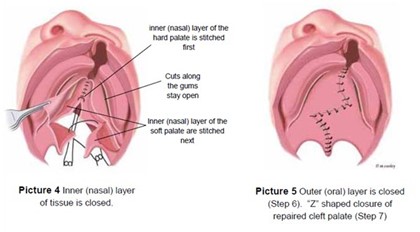
A nurse is contributing to the plan of care for a 12-month-old infant following cleft palate repair. Which of the following actions should the nurse include?
A. Allow the infant to have soft foods.
Allowing the infant to have soft foods may be appropriate, but it is not the highest priority. The infant's diet should be determined by the provider and based on the infant's individual needs.
B. Maintain elbow restraints on the infant.
The nurse should include maintaining elbow restraints on the infant in the plan of care following cleft palate repair. This helps to prevent the infant from touching their surgical site and disrupting the healing process.
C. Instruct the parents to feed the infant with a spoon.
Instructing the parents to feed the infant with a spoon may be appropriate, but it is not the highest priority. The infant's feeding method should be determined by the provider and based on the infant's individual needs.
D. Tell the parents to avoid brushing the infant's teeth for two weeks.
Telling the parents to avoid brushing the infant's teeth for two weeks may be appropriate, but it is not the highest priority. The infant's oral care should be determined by the provider and based on the infant's individual needs.
Full Explanation
The nurse should include maintaining elbow restraints on the infant in the plan of care following cleft palate repair. This helps to prevent the infant from touching their surgical site and disrupting the healing process.
a) Allowing the infant to have soft foods may be appropriate, but it is not the highest priority. The infant's diet should be determined by the provider and based on the infant's individual needs.
c) Instructing the parents to feed the infant with a spoon may be appropriate, but it is not the highest priority. The infant's feeding method should be determined by the provider and based on the infant's individual needs.
d) Telling the parents to avoid brushing the infant's teeth for two weeks may be appropriate, but it is not the highest priority. The infant's oral care should be determined by the provider and based on the infant's individual needs.
A nurse is reviewing the medical record of a client who has sustained a full-thickness burn and is in the emergent phase of the burn. Which of the following findings should the nurse expect?
A. Hypernatremia
Hypernatremia is not a common finding in the emergent phase of a burn.
B. Hypercalcemia
Hypercalcemia is not a common finding in the emergent phase of a burn.
C. Hypermagnesemia
Hypermagnesemia is not a common finding in the emergent phase of a burn.
D. Hyperkalemia
The nurse should expect to find hyperkalemia in the medical record of a client who has sustained a full- thickness burn and is in the emergent phase of the burn. This is due to the release of potassium from damaged cells into the bloodstream.
Full Explanation
The nurse should expect to find hyperkalemia in the medical record of a client who has sustained a full- thickness burn and is in the emergent phase of the burn. This is due to the release of potassium from damaged cells into the bloodstream.
a) Hypernatremia is not a common finding in the emergent phase of a burn.
b) Hypercalcemia is not a common finding in the emergent phase of a burn.
c) Hypermagnesemia is not a common finding in the emergent phase of a burn.
A nurse is reinforcing teaching with a client who is 12 hr postpartum and has an episiotomy. Which of the following instructions should the nurse include?
A. Cleanse the perineal area from back to front.
A) Cleanse the perineal area from back to front: Cleansing from back to front is not recommended as it increases the risk of introducing bacteria from the anal area to the perineal wound, potentially leading to infection. The correct technique is front-to-back cleansing to prevent contamination.
B. Wash the perineal area with povidone-iodine twice daily
B) Wash the perineal area with povidone-iodine twice daily: Povidone-iodine is not typically recommended for regular perineal care postpartum, as it can disrupt normal flora and potentially irritate the healing tissues. Using warm water and mild soap is safer for cleansing the area
C. Change the perineal pad with each void
C) Change the perineal pad with each void: Changing the perineal pad with each void helps maintain cleanliness and reduces moisture in the perineal area, decreasing the risk of infection and promoting comfort during the healing process of an episiotomy.
D. "Wipe the perineal area with a soft cloth."
D) Wipe the perineal area with a soft cloth: Wiping the area can disrupt the stitches and may cause discomfort. Instead, clients are usually advised to gently pat dry or use a squirt bottle to cleanse, which reduces pressure on the healing tissue.
Full Explanation
Answer: C. Change the perineal pad with each void.
Rationale:
A) Cleanse the perineal area from back to front: Cleansing from back to front is not recommended as it increases the risk of introducing bacteria from the anal area to the perineal wound, potentially leading to infection. The correct technique is front-to-back cleansing to prevent contamination.
B) Wash the perineal area with povidone-iodine twice daily: Povidone-iodine is not typically recommended for regular perineal care postpartum, as it can disrupt normal flora and potentially irritate the healing tissues. Using warm water and mild soap is safer for cleansing the area.
C) Change the perineal pad with each void: Changing the perineal pad with each void helps maintain cleanliness and reduces moisture in the perineal area, decreasing the risk of infection and promoting comfort during the healing process of an episiotomy.
D) Wipe the perineal area with a soft cloth: Wiping the area can disrupt the stitches and may cause discomfort. Instead, clients are usually advised to gently pat dry or use a squirt bottle to cleanse, which reduces pressure on the healing tissue.