
Nursing practice questions with comprehensive rationales
NurseDive Free Nursing Practice Question
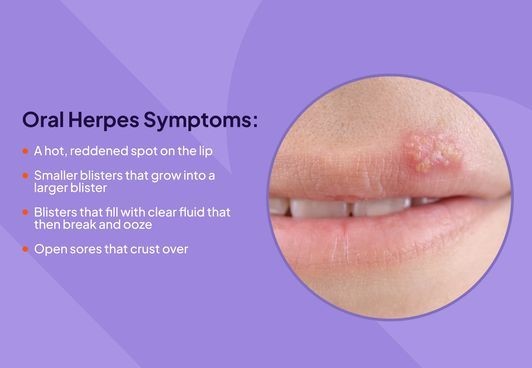
A nurse is contributing to the plan of care for a client who is experiencing a herpes simplex outbreak. Which of the following interventions should the nurse recommend?
A. Avoid over-the-counter topical ointments
Over-the-counter topical ointments are generally not recommended for the treatment of herpes simplex outbreaks. It is best to consult with a healthcare provider for appropriate medication and treatment options
B. Cleanse skin eruptions with povidone-iodine
Herpes simplex is a viral infection that causes skin eruptions or lesions. To promote healing and prevent secondary infections, it is important to keep the affected area clean. Cleansing the skin eruptions with povidone-iodine, an antiseptic solution, can help reduce the risk of infection and promote healing.
C. Administer an antibiotic medication
Herpes simplex is a viral infection, and antibiotics are used to treat bacterial infections. Antibiotics are not effective against viral infections like herpes simplex.
D. Place disposable thermometers in the client's room
Placing disposable thermometers in the client's room is not directly related to the management of a herpes simplex outbreak. It is important to focus on interventions specific to the client's condition.
This question is an excerpt from Nurse Dive's nursing test bank - ATI PN Comprehensive Predictor 2023 - Proctored Exam 1. Take the full exam now
Full Explanation
B. Herpes simplex is a viral infection that causes skin eruptions or lesions. To promote healing and prevent secondary infections, it is important to keep the affected area clean. Cleansing the skin eruptions with povidone-iodine, an antiseptic solution, can help reduce the risk of infection and promote healing.
The other options are incorrect:
A. Over-the-counter topical ointments are generally not recommended for the treatment of herpes simplex outbreaks. It is best to consult with a healthcare provider for appropriate medication and treatment options.
C.Herpes simplex is a viral infection, and antibiotics are used to treat bacterial infections. Antibiotics are not effective against viral infections like herpes simplex.
D. Placing disposable thermometers in the client's room is not directly related to the management of a herpes simplex outbreak. It is important to focus on interventions specific to the client's condition.
Similar Questions
A nurse is caring for a client who has end-stage kidney disease. The client has decided to stop dialysis treatment. Which of the following actions should the nurse take?
A. Tell the client she should discuss this decision with her family.
While family involvement and support are important, the decision to stop dialysis ultimately rests with the client. It is the client's decision to make, and the nurse should respect the client's autonomy.
B. Discuss alternative treatment methods with the client.
If the client has made an informed decision to stop dialysis, it is not appropriate for the nurse to discuss alternative treatment methods at this point. The focus should be on supporting the client in their decision and providing comfort and care.
C. Ask the facility chaplain to visit the client.
Spiritual and emotional support can be valuable for clients facing end-of-life decisions, but it should be based on the client's preferences and requests. The nurse can offer spiritual support if desired but should not assume that it is necessary or appropriate in every case.
D. Support the client's decision to stop the treatment.
Stopping dialysis is a significant decision made by the client, and it is important for the nurse to respect and support the client's autonomy and right to make decisions about their own healthcare. The nurse should provide emotional support, validate the client's feelings and concerns, and ensure that the client has access to appropriate resources and support systems. It is not the nurse's role to persuade or encourage the client to continue or reconsider the decision.
Full Explanation
Stopping dialysis is a significant decision made by the client, and it is important for the nurse to respect and support the client's autonomy and right to make decisions about their own healthcare. The nurse should provide emotional support, validate the client's feelings and concerns, and ensure that the client has access to appropriate resources and support systems. It is not the nurse's role to persuade or encourage the client to continue or reconsider the decision.
The other options are incorrect:
Tell the client she should discuss this decision with her family: While family involvement and support are important, the decision to stop dialysis ultimately rests with the client. It is the client's decision to make, and the nurse should respect the client's autonomy.
Discuss alternative treatment methods with the client: If the client has made an informed decision to stop dialysis, it is not appropriate for the nurse to discuss alternative treatment methods at this point. The focus should be on supporting the client in their decision and providing comfort and care.
Ask the facility chaplain to visit the client: Spiritual and emotional support can be valuable for clients facing end-of-life decisions, but it should be based on the client's preferences and requests. The nurse can offer spiritual support if desired but should not assume that it is necessary or appropriate in every case.
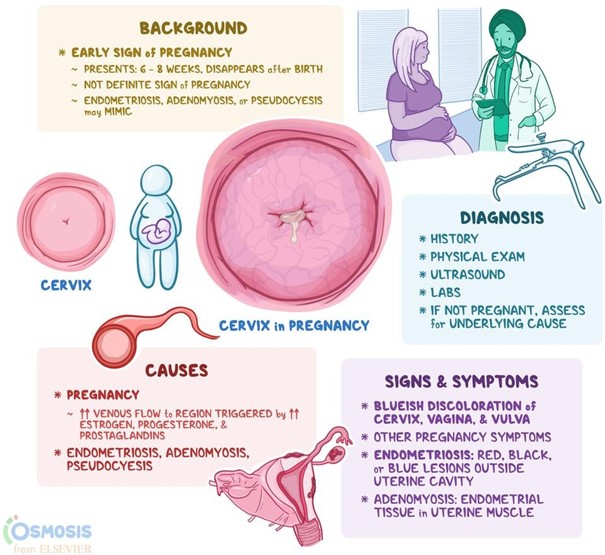
A nurse is assisting with a prenatal examination of a client who is at 8 weeks of gestation.
The nurse notes that the client's vagina and vulva are a purplish color. The nurse should document this finding as which of the following?
A. Chadwick's sign
Chadwick's sign is a characteristic change that occurs during pregnancy, specifically in the cervix, vagina, and vulva. It is characterized by a bluish or purplish discoloration of these areas.
B. Chloasma
It is a condition characterized by the development of dark patches on the skin, commonly referred to as "mask of pregnancy." Chloasma typically affects the face, particularly the cheeks, forehead, and upper lip. It is not associated with a change in colour in the vaginal or vulvar area.
C. Hegar's sign
It is a softening of the lower uterine segment that can be felt during a pelvic examination. It is not related to the colour changes in the vaginal or vulvar area.
D. Ballottement
It is a palpation technique used during a prenatal examination to assess the position of the foetus. It involves the examiner gently pushing against the uterus and feeling a rebound or "floating" movement of the foetus. It does not involve changes in the colour of the vaginal or vulvar area.
Full Explanation
Explanation
A. Chadwick’s sign
Chadwick's sign is a characteristic change that occurs during pregnancy, specifically in the cervix, vagina, and vulva. It is characterized by a bluish or purplish discoloration of these areas.
Chloasma in (option B) is incorrect because it is a condition characterized by the development of dark patches on the skin, commonly referred to as "mask of pregnancy." Chloasma typically affects the face, particularly the cheeks, forehead, and upper lip. It is not associated with a change in colour in the vaginal or vulvar area.
Hegar's sign in (option C) is incorrect because it is a softening of the lower uterine segment that can be felt during a pelvic examination. It is not related to the colour changes in the vaginal or vulvar area.
Ballottement in (option D) is incorrect because it is a palpation technique used during a prenatal examination to assess the position of the foetus. It involves the examiner gently pushing against the uterus and feeling a rebound or "floating" movement of the foetus. It does not involve changes in the colour of the vaginal or vulvar area.
A nurse is assisting in the care of a client who presents to the emergency department.
A nurse is reviewing the client's medical record. Which of the following findings indicate the need for further evaluation?
A. Heart rate
a. Heart rate (98/min): A heart rate of 98/min is within the normal range for adults (60-100 bpm). This does not indicate an immediate need for further evaluation based on the provided data.
B. Blood pressure
Blood pressure (112/88 mmHg): The blood pressure reading is within normal limits. This does not suggest an immediate concern.
C. Temperature
The client reports a low-grade fever (38.1°C or 100.5°F), which suggests an ongoing infection or inflammatory process. Further evaluation is necessary.
D. Respiratory complaint
A productive cough with blood-tinged sputum, especially in combination with symptoms such as fatigue, night sweats, and weight loss, is concerning and warrants further evaluation for possible serious conditions such as tuberculosis (TB) or other respiratory infections.
E. Oxygen saturation
Oxygen saturation (98% on room air): The oxygen saturation is normal. This finding does not indicate an immediate need for further evaluation.
F. Weight loss
The client reports a significant weight loss of 2.26 kg (5 lbs) over the past week. Unintentional weight loss can be a concerning symptom and may indicate an underlying medical condition that requires further investigation.
G. Sputum characteristics
Blood-tinged sputum, especially with other symptoms like cough, fever, and night sweats, can be indicative of serious conditions such as TB or other respiratory infections and needs further evaluation.
H. Travel history
Recent travel to a region where certain infectious diseases are prevalent (such as TB) is a critical factor that requires further evaluation in the context of the client's symptoms.
Full Explanation
A. a. Heart rate (98/min): A heart rate of 98/min is within the normal range for adults (60-100 bpm). This does not indicate an immediate need for further evaluation based on the provided data.
B. Blood pressure (112/88 mmHg): The blood pressure reading is within normal limits. This does not suggest an immediate concern.
C. Temperature: The client reports a low-grade fever (38.1°C or 100.5°F), which suggests an ongoing infection or inflammatory process. Further evaluation is necessary.
D. Respiratory complaint: A productive cough with blood-tinged sputum, especially in combination with symptoms such as fatigue, night sweats, and weight loss, is concerning and warrants further evaluation for possible serious conditions such as tuberculosis (TB) or other respiratory infections.
e. Oxygen saturation (98% on room air): The oxygen saturation is normal. This finding does not indicate an immediate need for further evaluation.
F.Weight loss: The client reports a significant weight loss of 26 kg (5 lbs) over the past week. Unintentional weight loss can be a concerning symptom and may indicate an underlying medical condition that requires further investigation.
G.Sputum characteristics: Blood-tinged sputum, especially with other symptoms like cough, fever, and night sweats, can be indicative of serious conditions such as TB or other respiratory infections and needs further evaluation.
H.Travel history: Recent travel to a region where certain infectious diseases are prevalent (such as TB) is a critical factor that requires further evaluation in the context of the client's symptoms.