
Nursing practice questions with comprehensive rationales
NurseDive Free Nursing Practice Question
A nurse is delegating client care tasks to assistive personnel.
Which of the following tasks should the nurse delegate?
A. Changing IV tubing.
Choice A is wrong because changing IV tubing is not a task that can be delegated to assistive personnel.
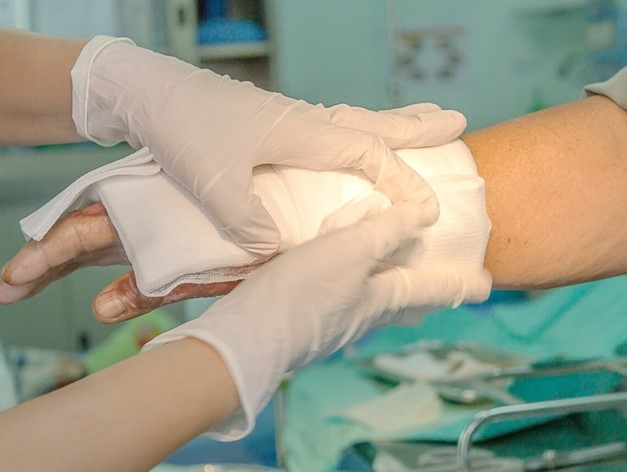
B. Performing a simple dressing change.
A nurse can delegate the task of performing a simple dressing change to an assistive personnel. Delegation is an essential nursing skill that allows a qualified healthcare worker, like an RN, to transfer routine and low-risk duties to nursing assistive personnel. This frees up the RN’s time to address more pressing matters, including critical patients and tasks.
C. Inserting an NG tube.
Choice C is wrong because inserting an NG tube is not a task that can be delegated to assistive personnel.
D. Evaluating the healing of an incision.
Choice D is wrong because evaluating the healing of an incision is not a task that can be delegated to assistive personnel. These tasks require the expertise and training of a licensed nurse.
This question is an excerpt from Nurse Dive's nursing test bank - ATI RN Fundamentals 2019 with NGN Proctored Exam. Take the full exam now
Full Explanation
A nurse can delegate the task of performing a simple dressing change to an assistive personnel.
Delegation is an essential nursing skill that allows a qualified healthcare worker, like an RN, to transfer routine and low-risk duties to nursing assistive personnel.
This frees up the RN’s time to address more pressing matters, including critical patients and tasks.
Choice A is wrong because changing IV tubing is not a task that can be delegated to assistive personnel.
Choice C is wrong because inserting an NG tube is not a task that can be delegated to assistive personnel.
Choice D is wrong because evaluating the healing of an incision is not a task that can be delegated to assistive personnel.
These tasks require the expertise and training of a licensed nurse.
Similar Questions
A nurse is caring for a client who has a high fever. Which of the following actions should the nurse take?
A. Apply a bath blanket between the client and a cooling blanket.
A nurse should apply a bath blanket between the client and a cooling blanket when caring for a client who has a high fever. This can help regulate the temperature of the environment and make it more comfortable for the patient.
B. Place ice packs on the client's neck and behind the knees.
Choice B is wrong because placing ice packs on the client’s neck and behind the knees is not recommended as it can cause further problems.
C. Give the client a sponge bath using an alcohol-water solution.
Choice C is wrong because giving the client a sponge bath using an alcohol-water solution is not recommended.
D. Cover the client with heavy blankets after shivering subsides.
Choice D is wrong because covering the client with heavy blankets after the shivering subsides is not recommended as it can increase body temperature.
Full Explanation
A nurse should apply a bath blanket between the client and a cooling blanket when caring for a client who has a high fever.
This can help regulate the temperature of the environment and make it more comfortable for the patient.
Choice B is wrong because placing ice packs on the client’s neck and behind the knees is not recommended as it can cause further problems.
Choice C is wrong because giving the client a sponge bath using an alcohol-water solution is not recommended.
Choice D is wrong because covering the client with heavy blankets after the shivering subsides is not recommended as it can increase body temperature.
A nurse is mixing a short-acting insulin and an intermediate-acting insulin in the same syringe for a client who has diabetes mellitus.
Which of the following actions should the nurse take first?
A. Draw the intermediate-acting insulin into the syringe.
When mixing insulins, you should draw the short-acting insulin into the syringe first. This is done after injecting air into both vials (first into intermediate-acting, then into short-acting). Drawing intermediate-acting insulin first can contaminate the short-acting insulin vial with the longer-acting solution, which could alter the effectiveness of future doses.
B. Draw the short-acting insulin into the syringe.
Although this step is required when mixing insulins, it is not the first step. The nurse should first inject air into both vials to maintain vial pressure.
C. Inject air into the intermediate-acting insulin vial.
The nurse should inject air into the intermediate-acting insulin vial first because it helps prevent contamination and maintains the correct pressure within the vial. Intermediate-acting insulin, typically NPH (Neutral Protamine Hagedorn), is cloudy, and air injection into the vial allows for easy withdrawal later on without disrupting the order of mixing.
D. Inject air into the short-acting insulin vial.
Injecting air into the short-acting insulin vial is necessary but should be done after injecting air into the intermediate-acting vial. By injecting air into both vials first, the nurse prevents a vacuum effect, which can make it difficult to draw up the insulin. After injecting air, the nurse can draw the short-acting insulin into the syringe before moving to the intermediate-acting insulin. This order minimizes the risk of contamination.
Full Explanation
A. When mixing insulins, you should draw the short-acting insulin into the syringe first. This is done after injecting air into both vials (first into intermediate-acting, then into short-acting). Drawing intermediate-acting insulin first can contaminate the short-acting insulin vial with the longer-acting solution, which could alter the effectiveness of future doses.
B. Although this step is required when mixing insulins, it is not the first step. The nurse should first inject air into both vials to maintain vial pressure.
C. The nurse should inject air into the intermediate-acting insulin vial first because it helps prevent contamination and maintains the correct pressure within the vial. Intermediate-acting insulin, typically NPH (Neutral Protamine Hagedorn), is cloudy, and air injection into the vial allows for easy withdrawal later on without disrupting the order of mixing.
D. Injecting air into the short-acting insulin vial is necessary but should be done after injecting air into the intermediate-acting vial. By injecting air into both vials first, the nurse prevents a vacuum effect, which can make it difficult to draw up the insulin. After injecting air, the nurse can draw the short-acting insulin into the syringe before moving to the intermediate-acting insulin. This order minimizes the risk of contamination.
A nurse is caring for a client who had a stroke and requires assistance with morning ADLs.
Which of the following interprofessional team members should the nurse consult?
A. Physical therapist.
Choice A is wrong because a physical therapist focuses on improving mobility and physical function.
B. Occupational therapist.
A nurse should consult an occupational therapist when caring for a client who had a stroke and requires assistance with morning ADLs. Occupational therapists specialize in helping individuals regain their ability to perform activities of daily living (ADLs) and can provide valuable assistance in this situation.
C. Speech-language pathologist.
Choice C is wrong because a speech-language pathologist focuses on improving communication and swallowing abilities.
D. Registered dietician.
Choice D is wrong because a registered dietician focuses on nutrition and dietary needs.
Full Explanation
A nurse should consult an occupational therapist when caring for a client who had a stroke and requires assistance with morning ADLs.
Occupational therapists specialize in helping individuals regain their ability to perform activities of daily living (ADLs) and can provide valuable assistance in this situation.

Choice A is wrong because a physical therapist focuses on improving mobility and physical function.
Choice C is wrong because a speech-language pathologist focuses on improving communication and swallowing abilities.
Choice D is wrong because a registered dietician focuses on nutrition and dietary needs.